
Pruning
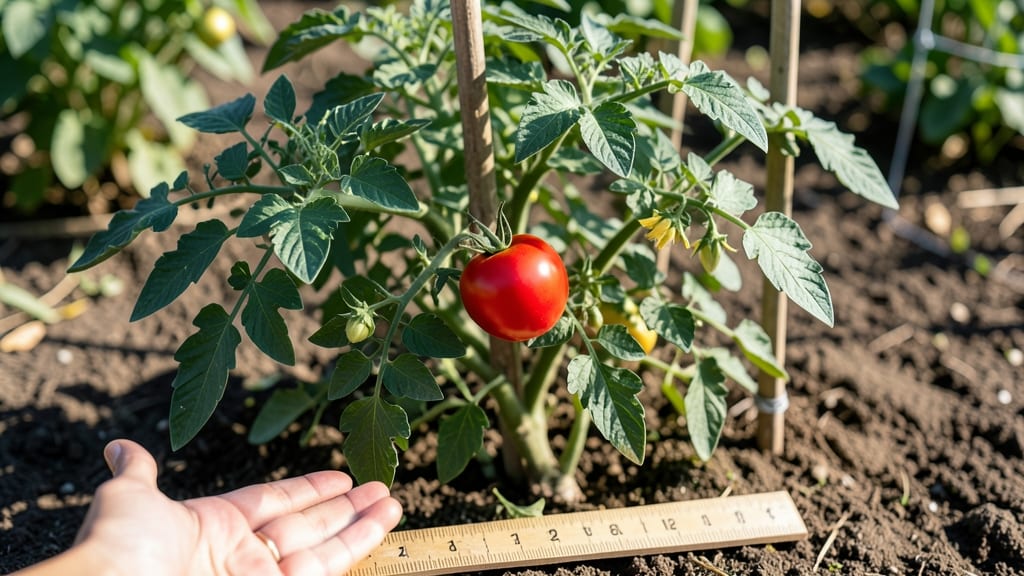
Better bush tomato size that fills your plate instead of your yard—it’s all in the pruning. ✂️ I’ve turned leggy, underperforming plants into compact powerhouses by cutting back just right, and the difference in fruit size and yield is shocking.
The key isn’t aggressive pruning—it’s strategic cuts that redirect energy where you want it: into bigger, juicier tomatoes instead of endless vines.
Start with 3-4 main stems when the plant is young, pinching off side suckers early. Later, prune to keep the plant bushy but open—this prevents crowded branches that crack under fruit weight.
I learned the hard way that pruning too late (after heavy flowering) stresses the plant, so time your cuts right: morning sessions on warm, dry days give stems time to heal before evening chill sets in.
You’ll end up with thicker stems, more sunlight penetration, and fewer but larger tomatoes—the kind that make your neighbors ask for cuttings. The plants stay manageable in containers or small spaces, and you avoid the heartbreak of blight-prone foliage.
Think of pruning as shaping a sculpture: every snip is intentional, every cut works toward that perfect harvest.
Works for determinate varieties (like Roma or Celebrity) in raised beds, containers, or in-ground—just adjust spacing. The same principles apply whether you’re growing one plant or a full row. Ready to transform those scraggly bushes? Let’s get those shears sharp.
📚 In This Guide
- What you need
- Instructions
- Tips and common mistakes
- Wrapping up and next steps
What you need
- ● Bush tomato seedlings or seeds – Choose compact varieties like ‘Tiny Tim,’ ‘Patio,’ or ‘Micro Tom.’
- ● Pruning shears or sharp scissors – Sterilized (rubbing alcohol wipe) to prevent disease.
- ○ Gloves – Lightweight gardening gloves (optional but helpful for thorny varieties).
- ● Balanced fertilizer (10-10-10 or organic) – 1 tbsp per plant every 3–4 weeks after pruning.
- ● Support stakes or cages (4–6 ft tall) – 1 per plant to guide growth.
- ● Mulch (straw or shredded leaves) – 2–3 inches thick to retain moisture.
- ● Watering can or hose with a gentle nozzle – Avoid wetting leaves to prevent fungal issues.
- ● Growth regulator (e.g., Seaweed extract) – Diluted to 1 tsp/gallon to encourage bushiness.
- ● Reflective mulch film – Boosts pollination by attracting bees.
- ● Plant food spray (fish emulsion) – For a quick nutrient boost post-pruning.
- ● Notebook & pen – Track pruning dates and plant responses for future reference!
How to prune tomatoes for compact, high-yield growth
Here’s the method I’ve used for years to grow bush tomatoes that stay small but produce like giants—no sprawling vines, no wasted space.
✂️ Step 1: Identify and Remove Suckers Early
Suckers are the small shoots that grow in the crotch between the main stem and a branch. These are the first targets—remove them when they’re no bigger than a pencil, or they’ll compete with your fruit for energy. Use clean pruning shears or your fingers to pinch them off at the base. I check for suckers twice weekly during peak growth, always working in the morning when the plants are turgid and easier to handle.
Real talk: If you miss a sucker, it won’t ruin your plant, but it will make your tomatoes smaller. These shoots steal nutrients meant for your fruit, so staying on top of them is key. Watch for new growth in the leaf axils—they’ll pop up fast once the plant hits 18-24 inches tall.
☀️ Step 2: Prune Lower Leaves for Airflow and Sunlight
Remove all leaves from the lower 12-18 inches of the plant, especially those touching the soil. This prevents disease and improves airflow, which is critical for bush varieties that stay dense. I use my fingers to gently twist leaves off rather than cutting—it’s faster and less traumatic for the plant. Focus on leaves that look yellowed or diseased first; they’re already dead weight.
Don’t go overboard—leave a few leaves near the base to protect the stem from sun scald. You’ll know you’ve done enough when the bottom third of the plant looks mostly bare, but the top still has a full canopy. This step is non-negotiable for compact growth; without it, your tomatoes will sprawl and produce poorly.
🌱 Step 3: Limit Main Stem Height for Bush Shape
Bush tomatoes are bred to stay short, but they’ll still grow taller if left unchecked. Pinch off the top growth when the main stem reaches 36-48 inches, depending on your variety. This forces the plant to put energy into lateral branches and fruit rather than vertical growth. Use your fingers or shears to make a clean cut just above a leaf node—this is where new branches will sprout.
Here’s the thing—if you wait too long, the plant will bolt (send up a tall, flower-heavy stem) and produce smaller fruit. You’ll see it starting when the top leaves grow pointy and the plant stretches upward suddenly. Stop it early, and you’ll get bushier growth and bigger tomatoes.
⏰ Step 4: Thin Fruit Clusters for Larger Tomatoes
When tomatoes set fruit, they often produce clusters of 3-5 small tomatoes where just 1-2 large ones should grow. Thin the cluster down to the two strongest-looking tomatoes when they’re the size of a marble. Remove the rest by gently twisting them off—don’t pull, or you might damage the stem. This ensures the remaining tomatoes get all the plant’s resources and grow to full size.
I do this every 5-7 days during peak fruiting. You’ll know you’re on the right track when your plant has fewer but larger tomatoes than your neighbors’. Skipping this step means tiny, underdeveloped fruit—no one wants that.
🌿 Step 5: Support and Maintain Through Harvest
Even with pruning, bush tomatoes need support to stay compact. Use a cage or stake to keep the plant upright, especially after heavy rain or wind. I tie the main stem to the support with soft plant ties every 6-8 inches to prevent bending. Check the plant weekly for new suckers or overcrowded fruit clusters—consistency is everything.
Water deeply once a week (more in extreme heat) and always at the base to avoid wetting leaves. Overhead watering spreads disease, and bush tomatoes are already prone to it. You’ll see your pruning pay off when the plant stays dense, bushy, and loaded with large, ripe tomatoes—no sprawling mess, just a tidy, productive machine.
Tips & tricks for perfect compact bush tomatoes
These game-changing techniques will transform your bush tomatoes from scraggly vines into productive powerhouses—no sprawling chaos in sight.
Timing is Everything: The twice-weekly sucker check in Step 1 is non-negotiable during peak growth (when plants hit 18-24 inches). I've found that morning inspections work best because the plants are fully hydrated and suckers are easier to spot against the bright foliage. Pro tip: Set a phone reminder for every Monday and Thursday—consistency beats perfection every time.
Pruning Precision: When removing lower leaves in Step 2, focus on creating a clean "skirt" about 12-18 inches up the stem. Leave those bottom few leaves as natural sun protection, but anything below that is just inviting disease. I use my thumb to gently peel leaves away rather than cutting—they come off surprisingly clean this way, and the plant handles the stress better.
Height Management: The 36-48 inch height limit in Step 3 is where most gardeners go wrong. Don't wait until your plant hits 48 inches to pinch—do it at 36 inches for bushier growth. I've seen plants bolt overnight when left unchecked, resulting in smaller fruit. Look for the telltale pointy leaves and sudden upward stretch as your warning signs.
Fruit Selection Strategy: In Step 4, when thinning clusters to 1-2 strongest tomatoes, prioritize ones with the most vibrant green color and firmest feel. The marble-sized stage is perfect for this because you can easily assess their potential. I've noticed that tomatoes with slightly darker green shoulders often develop better flavor—nature's way of telling you which ones to keep!
Pro Tips for Better Bush Tomato Size
- These game-changing techniques will transform your bush tomatoes from scraggly vines into productive powerhouses—no sprawling chaos in sight.
- Timing is Everything: The twice-weekly sucker check in Step 1 is non-negotiable during peak growth (when plants hit 18-24 inches).
- Pruning Precision: When removing lower leaves in Step 2, focus on creating a clean "skirt" about 12-18 inches up the stem.
Frequently asked questions
Got questions about maximizing your bush tomato size?
You’re not alone! Here are answers to the most common queries—from pruning tips to troubleshooting—so you can grow bigger, juicier harvests with ease.
How often should I prune bush tomatoes to keep them compact?
Prune bush tomatoes lightly every 2–3 weeks during the growing season (spring to early summer). Focus on removing suckers (side shoots) and lower leaves to redirect energy to fruit production. Avoid over-pruning—just trim 10–20% of the plant at a time to avoid stress.
When is the best time of day to prune bush tomatoes?
Prune in the early morning when plants are hydrated and temperatures are cool. This gives wounds time to heal before evening heat or pests strike. If you must prune later, do it 2–3 hours before sunset to minimize stress. Pro tip: Use sharp, sterilized shears to prevent disease!
Why are my bush tomatoes staying small, even after pruning?
Small tomatoes often signal nutrient deficiencies, poor pollination, or overcrowding. Check soil pH (aim for 6.0–6.8) and fertilize with a balanced formula (10-10-10). Hand-pollinate flowers by gently shaking plants, and thin fruits to 3–5 per cluster for larger size. Shade cloth can also help in scorching climates.
Can I use the same pruning techniques for cherry and beefsteak bush tomatoes?
Yes! The core pruning principles apply to both varieties, but adjust for growth habits. Cherry tomatoes benefit from aggressive pruning to boost fruit quantity, while beefsteak types may need slightly less trimming to support larger fruit weight. Focus on removing diseased leaves and competitive shoots in both cases.
What’s an alternative if my bush tomatoes aren’t responding to pruning?
Try these fixes if pruning alone isn’t working:
- Top-dress with compost for nutrients.
- Use pruning paste on cuts to prevent infection.
- Switch to container growing for better control.
- Consider dwarf varieties like ‘Tiny Tim’ if space is limited.
Wrapping up and next steps
Growing bush tomatoes with bigger, juicier fruit isn’t just luck—it’s science! By mastering pruning techniques like suckering, pinching, and staking, you’ll boost yields while keeping plants compact and healthy. Patience and consistency pay off, so don’t rush the process—your garden will thank you!
Ready to level up your harvest? Start small: try one pruning method this season and track your progress. Before you know it, you’ll be the neighborhood’s go-to for plump, flavorful bush tomatoes! 🌱✨