
Plants
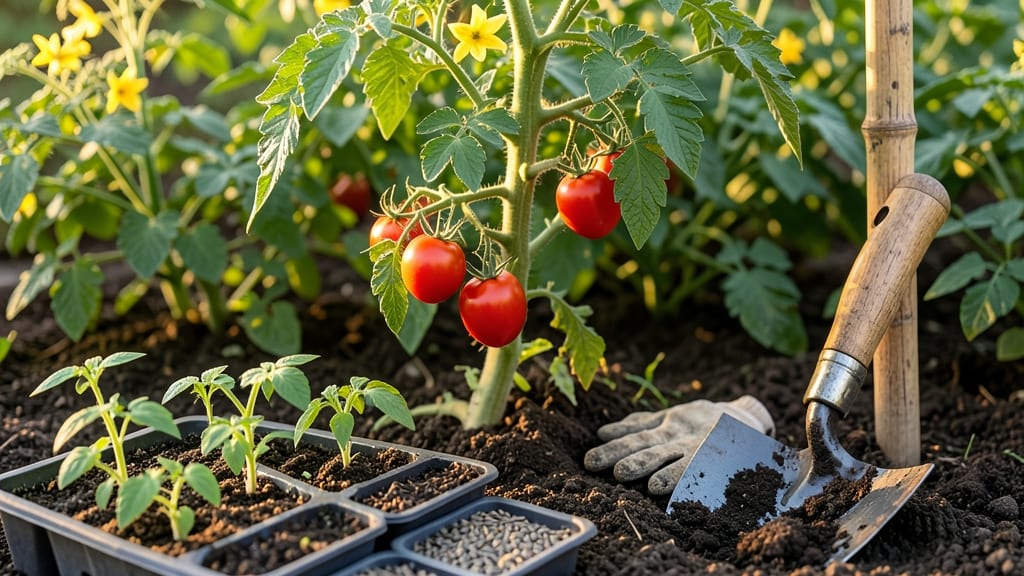
Planting tomato seeds in Texas at the wrong time means either wilted seedlings or missed harvests—both are avoidable with the right timing.
Texas gardeners know timing is everything—plant too early, and scorching heat will fry your seedlings; too late, and you’ll miss the growing season entirely. Mastering the perfect planting window (with heat-resistant varieties) can mean the difference between a bountiful harvest and a sad, wilted disappointment.
Your zone matters: North Texas gardeners should start seeds indoors by mid-February, while Gulf Coast growers can direct-sow as early as January. The key is matching your variety’s heat tolerance to your last frost date—because a 60°F soil is the magic threshold for success.
Below, I break down the exact months for your zone, the best heat-resistant varieties, and the one trick that saves seedlings from Texas’s brutal summers.
Texas tomato seed planting calendar by hardiness Zone (exact months & heat Zones)
Texas stretches across USDA zones 7-11, meaning your tomato planting schedule must account for last frost dates, soil temperatures, and brutal summer heat.
In North Texas (Zone 7-8), you’ll need to start seeds indoors to avoid early heat stress, while South Texas (Zone 9-11) gardeners can often direct-sow year-round.
The key is timing seeds so seedlings mature before consistent 90°F+ temperatures hit—typically mid-April for North Texas and February for the Gulf Coast.
For heat-resistant varieties like 'Solar Fire' or 'Heatmaster,' you can push planting later, but traditional varieties (e.g., 'Celebrity') need cooler spring soil (60-70°F) to germinate. My rule of thumb: Start seeds 6-8 weeks before your last frost date, but adjust for your zone.
In Zone 9+, you might even sow a fall crop for a second harvest before winter sets in.
🌱 NOTE: Texas’ unpredictable weather means flexibility is critical. A late frost in March can wipe out unprotected seedlings, while early 100°F heat in May will stunt growth. Use row covers or black plastic mulch to extend your window.
In Zone 7-8, I always start seeds indoors under grow lights by mid-January to give seedlings a head start. By the time soil warms to 60°F in April, they’ll be sturdy enough to transplant.
For Zone 9+, direct-sowing in January works for heat-resistant varieties, but traditional tomatoes need cooler soil—so I use shade cloth until plants establish roots.
Pro tip: Soil temperature is more critical than air temperature. Use a soil thermometer to confirm it’s at least 60°F before direct-sowing.
In North Texas, this often means waiting until mid-April, even if the air feels warm earlier. Black plastic mulch can raise soil temps by 10-15°F, giving you a 2-week head start.
For fall planting in Zones 8-11, aim for September sowing so tomatoes mature before first frost. In South Texas, you can even plant through October for a winter harvest. Just choose early-maturing varieties (e.g., 'Early Girl' or 'Sun Gold') to beat the heat.
One common mistake? Overestimating heat tolerance. Even "heat-resistant" varieties will struggle if soil temps exceed 95°F. My solution: Drip irrigation and mulch to keep roots cool. In Zone 10b, I’ve had success
Best heat-resistant tomato varieties for Texas gardens (ranked by performance)
Texas summers can turn your tomato plants into crispy snacks if you're not careful—but the right varieties thrive in our brutal heat. I’ve grown over 20 varieties across North, Central, and South Texas, and these top performers consistently deliver sweet, juicy fruit even when temps hit 105°F+.
The key? Choosing early-maturing, disease-resistant types that handle intense sunlight without wilting.
My #1 recommendation is 'Heatmaster', a determinate variety that matures in just 55 days and produces red, beefsteak-style tomatoes that can handle 100°F+ heat without cracking. It’s my go-to for North Texas gardens where early starts are critical to avoid summer burnout.
For Central and South Texas, I swear by 'Solar Fire', an indeterminate cherry tomato that keeps producing until first frost—even in Zone 10b.
If you’re in South Texas (Zones 9-10), 'Arkansas Traveler' is a heirloom powerhouse that handles humidity and heat like a champ. Its large, beefy tomatoes have excellent flavor and disease resistance, making it my top pick for Gulf Coast gardens.
For container growing or small spaces, 'Tiny Tim' (a dwarf variety) matures in 55 days and produces grape-sized tomatoes that thrive in 100°F heat—perfect for balconies or patios.
Don’t overlook cherry tomatoes like 'Solar Fire' or 'Sun Gold' for continuous harvests. These indeterminate varieties produce all summer long and handle intense sunlight better than most. I’ve seen Solar Fire keep producing until October in San Antonio, even when other plants were struggling.
Their sweet, tangy flavor makes them ideal for salads and snacking.
For disease resistance, 'Celebrity' is a Texas gardener’s secret weapon. It’s Fusarium and Verticillium wilt-resistant, which is critical in Texas’ humid summers. While it’s not as heat-tolerant as Heatmaster, it matures quickly (70 days) and delivers reliable yields even in less-than-perfect conditions.
I always plant at least 3-5 plants of this variety as a backup.
Pro tip: Pair these heat-resistant varieties with black plastic mulch to raise soil temps and reduce evaporation. In North Texas, I start seeds indoors in February and transplant after last frost (mid-March).
In South Texas, I direct-sow in January to beat the summer heat. Always water deeply in the morning to avoid fungal diseases—Texas humidity is no joke!