
Plants
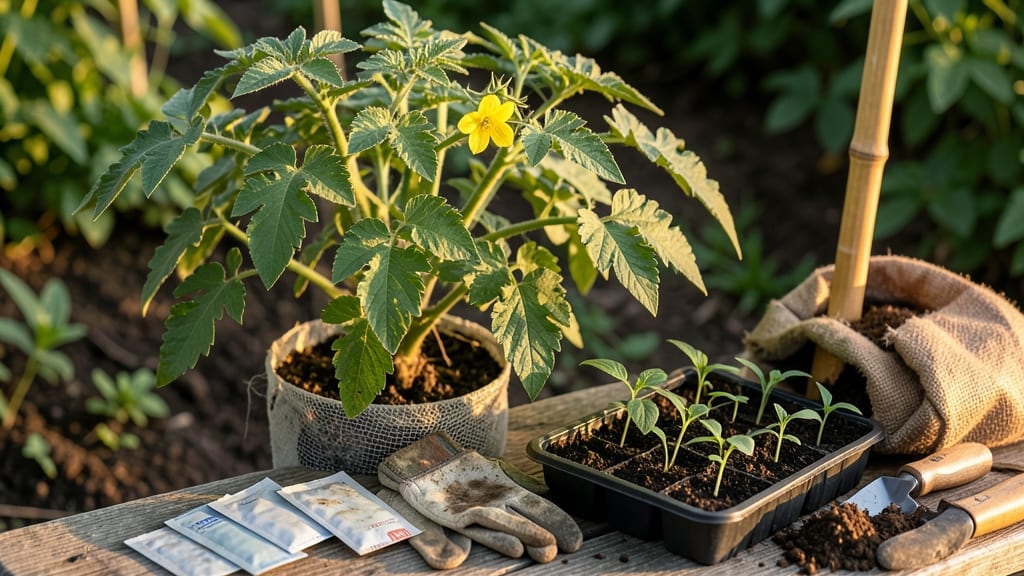
Planting tomato seeds in California at the right time means the difference between a bountiful harvest and a wasted season—especially when coastal fog and inland heat play such different roles.
Timing is everything when growing tomatoes in California’s diverse climates—plant too early, and frost will kill your seedlings; too late, and you’ll miss the harvest window. Follow this zone-by-zone guide to maximize your yield from the Central Valley to coastal regions.
Whether you’re starting seeds indoors or sowing directly in the garden, knowing your USDA zone (9a-10b) and local frost dates is the key. Coastal areas like San Diego can begin as early as February, while inland valleys like Sacramento wait until March or April.
Below, I’ll break down the exact planting windows for your region, plus pro tips to extend your season and avoid common mistakes that even experienced gardeners make.
California tomato planting zones: when to start seeds indoors vs. transplant
California’s diverse microclimates create unique challenges for tomato growers. From the coastal fog belts of San Francisco to the hot inland valleys of Bakersfield, frost dates and soil temperatures vary dramatically.
Understanding your USDA hardiness zone and local frost risks is key to deciding whether to start seeds indoors or direct-sow outdoors.
In Northern California (Zones 7-9), like Sacramento or Redding, the last frost typically occurs between March 15 and April 15.
Meanwhile, Central California (Zones 9-10), including Los Angeles and San Diego, enjoys frost-free growing seasons year-round, but coastal areas may still experience light frosts in December or January. Southern California (Zones 10-11), like Palm Springs, rarely sees frost, allowing for year-round planting with proper care.
To simplify your planning, here’s a zone-by-zone breakdown of when to start tomato seeds indoors and when to transplant seedlings outdoors, including adjustments for coastal vs. inland microclimates.
For Northern California gardeners, starting seeds indoors in early February gives seedlings enough time to mature before the last frost. In Zone 7, like Chico, aim to transplant by April 15 to avoid late frosts.
If you’re in Zone 9, such as Fresno, you can start seeds as late as early March and transplant by April 1.
In Central California, the timing shifts slightly. Los Angeles gardeners in Zone 10 can start seeds indoors in January and transplant by mid-February. However, coastal areas like Santa Barbara may need to delay transplanting until March 1 due to lingering coastal fog.
The key is monitoring soil temperature—tomatoes thrive when soil stays above 60°F.
Southern California’s Zone 10-11 offers the most flexibility. You can start seeds indoors year-round, but the best windows are January–February for spring harvests or September–October for fall/winter crops.
Transplant anytime, but avoid peak summer heat (June–August), which can stress seedlings. Use drip irrigation and shade cloth to protect plants during extreme heat.
Pro tip: If you’re in a coastal microclimate, like Monterey or San Francisco, consider using row covers to warm the soil faster. Inland valleys, such as the Central Valley, benefit from black plastic mulch to retain heat and speed up germination.
Always check your local Cooperative Extension office for hyper-local frost data—microclimates can vary even within a few miles!
Remember, tomato varieties also play a role. Heat-tolerant types like Roma or San Marzano thrive in inland zones, while cooler-climate varieties like Cherry or Early Girl do better in coastal areas. Adjust your planting timeline based on the days to maturity listed on seed packets.
By following these zone-specific guidelines, you’ll give your tomato plants the best possible start, whether you’re growing in containers, raised beds, or in-ground gardens. Happy planting—and may your harvest be bountiful! 🍅
Optimal transplanting dates by tomato variety and region
Transplanting tomatoes at the right time ensures strong root systems and bountiful harvests. In California’s varied climates, transplant windows differ dramatically between coastal fog belts and inland heat zones.
For example, San Diego’s Zone 10b allows February transplants, while Sacramento’s Zone 9a waits until April. The key is matching your tomato variety’s heat tolerance with your region’s last frost date.
Heat-tolerant varieties like Roma and San Marzano thrive in high-temperature zones (90°F+), making them ideal for Central Valley gardens. Meanwhile, cool-season varieties like Cherry and Early Girl handle milder coastal springs better.
Heirlooms often fall in between, requiring careful timing to avoid blossom drop from heat stress or cold snaps.
For Northern California gardeners, aim to transplant after soil reaches 60°F—typically mid-April for inland areas. Use row covers if nights dip below 50°F to protect seedlings.
In Southern California, where frost is rare, you can start as early as February, but avoid transplanting during heatwaves over 95°F, which stresses young plants.
Pro tip: Harden off seedlings for 7–10 days before transplanting by gradually exposing them to outdoor conditions. This builds resilience against transplant shock and pests like aphids, which thrive in stressed plants. Water deeply the day before and after transplanting to reduce stress.
In coastal fog belts, like Santa Barbara, extend your season by planting heat-tolerant varieties in spring and cool-season types in fall. Succession planting every 2–3 weeks ensures continuous harvests. Avoid planting heirlooms too early—they’re more sensitive to cold snaps than hybrid varieties.
Monitor your local weather forecasts for 10-day outlooks to time transplants with stable temperatures. In Sacramento, wait until nighttime lows stay above 55°F; in San Diego, avoid transplanting during June gloom humidity spikes.
With the right timing, you’ll enjoy homegrown tomatoes from June to October—or even later with season extensions!