
Planting
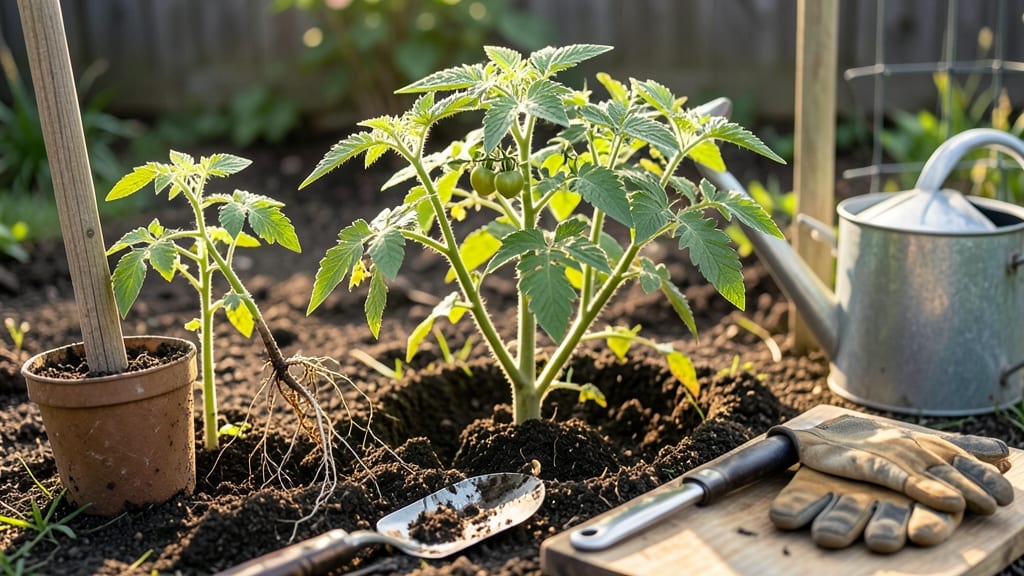
To plant tomato seedlings in the garden, wait until the soil reaches at least 60°F and all frost risk has passed — timing this right is the difference between a thriving 🍅 harvest and wasted effort.
Picture this: you’ve nurtured your seedlings indoors for weeks, only to rush them into cold soil, where their roots freeze or rot before they even take hold. That’s why soil temperature isn’t just a detail—it’s the key to whether your plants survive the transplant shock.
In Zone 6a, that usually means mid-April to early May, but your exact window depends on whether you’re in a frost-prone valley or a warmer microclimate.
Below, I’ll break down how to test soil readiness, adjust for your local frost dates, and avoid the three mistakes that turn eager gardeners into late-season tomato beginners.
You’ll learn how to use a simple soil thermometer trick, calculate your last frost date like a pro, and even salvage a late start with greenhouse prep. By the end, you’ll know exactly when to plant for bigger, healthier tomatoes — no guesswork included.
Optimal soil temperature for planting tomato seedlings (with exact degree guidelines)
Tomato seedlings are delicate when it comes to soil temperature. Planting too early in cold soil can stunt root growth, while waiting too long risks reduced yields or even plant stress. The key is understanding the ideal temperature range—where roots thrive and seedlings establish quickly.
For tomatoes, this means waiting for soil to warm to at least 50°F, but aiming for 60°F or higher for optimal results.
Why does temperature matter so much? Tomato roots stop growing below 50°F, which means seedlings struggle to anchor themselves and absorb nutrients. At 60°F+, roots grow 3x faster, leading to stronger plants that bolt upright and produce more fruit.
In warm climates (Zones 8-10), you can plant as early as February-March, while cooler zones (Zones 3-6) may need to wait until mid-May or later.
To test your soil temperature, use a soil thermometer buried 2-3 inches deep—this is where roots will first establish. Check temperatures in the morning (soil cools overnight) and afternoon (soil warms from sunlight).
If your soil hovers around 55-60°F consistently, it’s time to plant. Black plastic mulch can warm soil by 5-10°F, giving you an earlier start in cooler regions.
| Soil Temperature Range | Root Growth Impact | Best For | Regional Timing |
|---|---|---|---|
| Below 50°F | Roots stop growing; seedlings struggle to establish | Avoid planting | Zones 3-6: Wait until after last frost |
| 50-55°F | Slow root growth; increased disease risk | Transplant hardened seedlings only | Zones 7-9: Early March-April |
| 60°F+ | Optimal root growth; 3x faster establishment | Ideal planting window | Zones 8-10: February-March Zones 3-6: Mid-May-June |
| Above 70°F | Root burn risk; transplant shock possible | Use shade cloth if needed | Zones 10-11: Year-round (with protection) |
In cooler climates, like Zone 5 or 6, you might need to extend the season using row covers or a greenhouse. These tools can raise soil temperatures by 10-15°F, allowing you to plant 2-3 weeks earlier.
For example, if your soil typically hits 60°F in late May, a greenhouse could push that window to mid-April. Just be sure to acclimate seedlings gradually to avoid transplant shock.
Another trick for northern gardeners is to plant in raised beds, which warm up faster than in-ground soil. Fill beds with a mix of compost and straw to retain heat, and cover them with clear plastic for a few days before planting.
This can create a microclimate that’s 5-8°F warmer than surrounding soil, giving your tomatoes a head start. Just remove the plastic 24 hours before planting to avoid overheating the roots.
If you’re in a warmer climate (like Zone 9 or 10avoid planting during heatwaves. Soil temperatures above 85°F can damage roots and cause transplant shock.
Instead, aim for early morning or late afternoon planting when temperatures are cooler. Drip irrigation can also help moderate soil temps by keeping the root zone consistently moist.
One common mistake is relying on air temperature instead of soil temperature. A 70°F day might feel warm, but if the soil is still 50°F, your seedlings will suffer. Always check the soil—it’s the real indicator of when it’s safe to plant. Pro tip: Warm your soil faster by tilling
Best planting timing by US hardiness Zone (last frost date calculator included)
Your USDA hardiness zone determines the perfect window for planting tomato seedlings. In Zone 5, wait until mid-May after the last frost, while Zone 10 gardeners can start as early as February-March.
The key is balancing soil warmth (60°F+) with frost-free days—at least 10-14 days of reliable warmth before planting.
To find your local last frost date, use this simple formula: subtract 15 days from your average first frost date (found in zone maps). For example, if your first frost is October 15, your last frost is roughly April 15.
Plant tomato seedlings 2-3 weeks after this date to ensure roots establish before summer heat arrives.
Early varieties like 'Early Girl' tolerate cooler soils, while heat-lovers like 'Sungold' need warmer conditions. Adjust planting by 1-2 weeks based on your variety’s days to maturity. In Zone 7, aim for late April; in Zone 9, start by February for a spring harvest.
- 📅 Zones 1-4: Wait until late May-early June after soil warms to 60°F+ and frost risk drops below 10%.
- 📅 Zones 5-6: Plant mid-May to early June; use row covers for early starts if nights dip below 50°F.
- 📅 Zones 7-8: Ideal window is April-May; start early varieties in March under greenhouse conditions.
- 📅 Zones 9-10: Plant February-March for spring harvests; succession plant every 2-3 weeks for continuous yield.
- ⚠️ All Zones: Avoid planting when night temps drop below 55°F—tomato seedlings will stunt or rot.
For container gardening, warm soil heats up faster, so you can plant 1-2 weeks earlier than in-ground. Monitor soil temperature with a soil thermometer—60°F is the minimum for root growth, but 70°F+ speeds up establishment.
In Zone 4, consider black plastic mulch to raise soil temps by 5-10°F.
Pro tip: Use frost-sensitive varieties like 'Stupice' in cooler zones—they mature faster (55 days) and tolerate light frosts. In Zone 10, opt for heat-tolerant types like 'Solar Fire' to avoid blossom drop in summer heat. Always check your local agricultural extension for hyper-local adjustments!
Remember, tomato seedlings planted at the right time in warm soil will bolt upward in 10-14 days, setting the stage for a bountiful harvest. Don’t rush—patience pays off with juicier, sweeter tomatoes! 🌱