
Plants
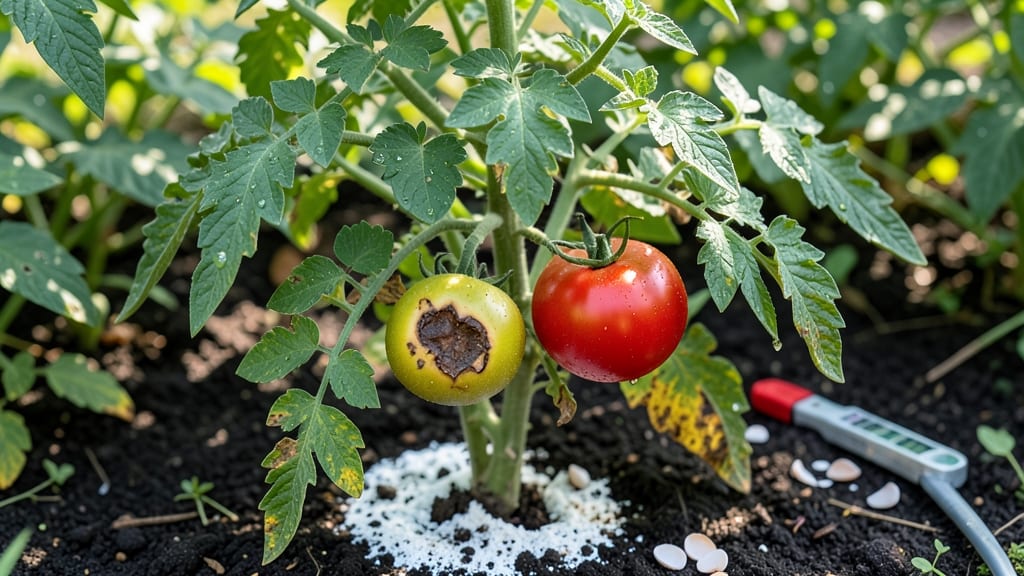
What causes blossom rot on tomato plants turns your hard work into a sad, spotted mess—dark, sunken lesions that ruin fruit before it even ripens. 🌱 I’ve seen it wipe out entire harvests, but now I know exactly how to stop it before it starts. The culprit? Usually a mix of fungal pressure, calcium starvation, and watering mistakes that create the perfect storm for rot.
This problem starts when young tomato blossoms drop or develop dark spots that spread like ink on paper. Overwatering, poor air circulation, and calcium deficiency all play a role, but the real villain is often Alternaria solani, a fungus that thrives in damp conditions.
The good news? You can prevent it with simple adjustments—like spacing plants properly, mulching to keep soil moist (not soggy), and giving them the right nutrients.
Once you spot the first signs, act fast with organic sprays (like copper fungicide) or calcium treatments to save what’s left. I’ve turned around rot-prone plants in just a few weeks by fixing watering habits and adding crushed eggshells for extra calcium.
The key is catching it early—before half your tomatoes turn to mush.
Even experienced gardeners fall for common myths, like thinking blossom rot is just a tomato quirk or that it’s too late to save the season. It’s not—with the right approach, you’ll protect your plants and keep your harvest looking (and tasting) perfect. Here’s how to do it right.
The Hidden Triggers Behind Rot
Blossom rot isn’t just a random misfortune—it’s a sneaky result of specific environmental and biological conditions that create the perfect storm for fungal infection. Understanding these triggers is the first step to stopping the rot before it ruins your harvest.
Let’s break down the real culprits behind this frustrating problem, so you can protect your tomato plants with precision.
Blossom rot thrives in excess moisture, especially when water pools around flowers or fruit. Here’s why:
- Fungal Feast: The pathogen (Alternaria solani or Fusarium spp.) loves damp conditions.
When water lingers on blossoms or young fruit, spores germinate and infect the tissue, causing dark, sunken lesions. - Calcium Deficiency: Overwatering dilutes soil nutrients, including calcium, which tomatoes need to develop strong cell walls.
Without enough calcium, fruit becomes soft and prone to rot—even if the fungus isn’t present. - Poor Airflow: Wet foliage and crowded plants trap humidity, creating a greenhouse effect that accelerates fungal growth.
Actionable Insight: 💡 Water deeply but infrequently—aim for 1–1.5 inches per week—and always water at the base, not overhead. Use drip irrigation or soaker hoses to keep blossoms dry.
Tomatoes are sensitive to heat stress, which weakens their ability to absorb calcium and fight off pathogens.
- Transpiration Slowdown: High temperatures (above 85°F/29°C) cause stomata (pores) to close, reducing calcium uptake. Without enough calcium, fruit walls break down, inviting rot. - Fungal Growth Boost: Warm, humid nights (70–80°F/21–27°C) are ideal for fungal spores to multiply.
If daytime heat dries the fruit but nighttime moisture lingers, rot spreads faster. - Pollination Failures: Heat stress can prevent proper pollination, leading to blind fruit (fruit without seeds) that’s more susceptible to rot.
Actionable Insight: ✨
- Mulch heavily (straw or grass clippings) to keep roots cool.
- Provide afternoon shade with shade cloth if temperatures exceed 90°F (32°C).
- Choose heat-tolerant varieties like ‘Solar Fire’ or ‘Heatmaster.’
Calcium isn’t just a nutrient—it’s the glue holding tomato fruit cells together. Without enough, fruit becomes mushy and collapses under fungal attack.
- Calcium Deficiency Signs: Blossom rot often appears on the bottom of fruit (where calcium is last to reach) and spreads upward. Leaves may also show blossom-end rot (a cousin of the same problem). - Soil pH Matters: Tomatoes need a slightly acidic to neutral pH (6.0–7.0).
If soil is too alkaline (high pH), calcium becomes unavailable even if it’s present. - Competing Nutrients: Excess nitrogen or potassium can starve calcium out, leaving fruit vulnerable.
Actionable Insight: 🔥
- Amend soil with gypsum (calcium sulfate) or crushed eggshells (baked and ground).
- Use calcium supplements like calcium nitrate (follow package rates).
- Test your soil—a simple kit can reveal deficiencies before rot appears.
Blossom rot isn’t just about moisture—it’s also about fungal pressure. Spores lurk in soil, old plant debris, and even neighboring crops.
- Survival Mode: Fungi like Alternaria can overwinter in infected plant material, ready to pounce when conditions are right.
- Wind and Water Spread: Spores hitchhike on rain splashes or wind, landing on blossoms and fruit.
- Weakened Plants: Stressed tomatoes (from drought, poor soil, or pests) are easier targets for infection.
Actionable Insight: 🎯
- Rotate crops: Avoid planting tomatoes (or nightshades like peppers/eggplants) in the same spot for 3 years.
- Clean up debris: Remove all plant waste after harvest to starve fungi.
- Apply fungicides preventively: Use copper-based sprays or neem oil at the first sign of humidity spikes.
When tomato plants are competing for resources, they prioritize survival over fruit health.
- Shaded Fruit: Overcrowding blocks sunlight, leading to weak, thin-skinned fruit that rots faster.
- Poor Airflow: Dense foliage traps moisture, creating the perfect fungal breeding ground.
- Root Stress: Compacted or waterlogged soil chokes roots, reducing nutrient uptake—including calcium.
Actionable Insight: 💪
- Space plants 18–24 inches apart (or prune aggressively for indeterminate varieties).
- Stake or cage plants to improve airflow and sunlight penetration.
- Aerate soil with compost or vermiculite if it’s heavy or clay-like.
Blossom rot is rarely a single issue—it’s usually a combo of moisture, heat, poor nutrition, and fungal pressure.
The good news? Fix one or two triggers, and you’ll see dramatic improvement. Start with calcium amendments and smart watering, then layer in fungal prevention and stress reduction for a rot-free harvest. 🍅🔥
Quick Fixes for Blossom Rot
Blossom rot can feel like a devastating blow to your tomato garden, but don’t let it derail your harvest! With the right steps, you can save existing fruit and prevent future outbreaks—no green thumb required.
Below, we’ve mapped out practical solutions tailored to each root cause, from immediate rescue tactics to long-term strategies.
If your soil is soggy or waterlogged, the first step is to cut back on irrigation and improve airflow.
- 🌧️ Adjust Your Watering Schedule
- Water deeply but infrequently—aim for 1–1.5 inches per week (including rain).
- Morning is best (avoid evening watering to prevent fungal growth).
- Use a moisture meter or the "finger test" (stick your finger 1–2 inches into the soil; if it’s damp, wait).
- 🏗️ Improve Soil Drainage
- Amend heavy clay soil with compost, sand, or perlite to loosen it.
- Raise beds slightly or plant tomatoes in containers with drainage holes.
- Mulch heavily (2–3 inches of straw or wood chips) to retain moisture without suffocating roots.
- 🚿 Emergency Drainage Fix
- If pots or beds are waterlogged, dig small trenches around the base to redirect excess water.
- For severe cases, lift the plant slightly and let soil dry out for a few days.
Blossom rot thrives when calcium can’t reach developing fruit. Boost calcium levels with these easy fixes:
- 🥛 Use Calcium-Rich Amendments - Crushed eggshells: Rinse and bake eggshells at 200°F (93°C) for 10 minutes to kill bacteria, then grind into a powder.
Work into soil 2–3 weeks before planting or sprinkle around plants monthly. - Calcium nitrate or gypsum: Follow package instructions for soil application (e.g., 1 tbsp gypsum per plant every 4–6 weeks). - Compost tea: Steep well-aged compost in water for 24–48 hours and use as a foliar spray or soil drench.
- 🍅 Foliar Spray for Fast Relief
- Mix 1 tbsp calcium chloride or calcium nitrate in 1 gallon of water.
- Spray early in the morning on leaves and fruit (avoid direct sun to prevent leaf burn).
- Repeat every 7–10 days until new growth shows no rot.
- 🌱 Choose Calcium-Loving Varieties
- Plant determinate tomatoes (like Roma or Celebrity) if your soil is consistently calcium-poor—they’re more tolerant than indeterminate types.
Extreme heat or humidity creates the perfect storm for blossom rot. Balance the environment with these tweaks:
- 🌞 Shield from Scorching Sun
- Use shade cloth (30–50%) during peak afternoon heat (12–4 PM).
- Reflective mulch (white plastic or aluminum foil) can reduce soil and fruit temperature by up to 10°F.
- 💨 Improve Air Circulation
- Space plants 18–24 inches apart (or prune to open the canopy).
- Install a small fan on low setting near plants to mimic gentle breezes (great for containers).
- Remove lower leaves to reduce humidity near the fruit.
- 🌧️ Adjust for Rainy Climates
- If rain is frequent, water only when soil is dry and use drip irrigation (avoid overhead sprinklers).
- Collect rainwater in barrels and let it sit for 24 hours before using to reduce fungal spores.
Once you’ve salvaged your current crop, lock in long-term protection with these proactive steps:
- 💡 Soil Testing is Key
- Test your soil’s pH (aim for 6.0–6.8) and calcium levels (ideal: 1,000–2,000 ppm).
- Adjust with lime (to raise pH) or gypsum (for calcium) based on test results.
- 🌱 Rotate Crops & Companion Planting
- Avoid planting tomatoes in the same spot yearly (wait 3 years before replanting).
- Interplant with basil, marigolds, or onions—they deter pests and improve airflow.
- 🔄 Use Disease-Resistant Varieties
- Try ‘Mountain Merit,’ ‘Defiant PhR,’ or ‘Bush Early Girl’—these hybrids resist blossom rot better.
- 🧼 Sanitize Tools & Beds
- Clean pruners with rubbing alcohol between uses.
- Solarize soil in late summer: Cover beds with clear plastic for 4–6 weeks to kill fungi.
🌟 Pro Tip: Keep a blossom rot journal! Note when symptoms appear, weather conditions, and fixes—this helps you spot patterns and adjust next season. With these strategies, your tomato plants will bounce back stronger, and your harvest will be rot-free and bountiful! 🍅✨
Frequently asked questions about tomato blossom rot
Why does blossom rot only appear on the bottom of tomatoes?
Blossom rot targets the bottom of tomatoes because that’s where calcium reaches last during fruit development. The blossom end (bottom) is the oldest part of the fruit, so when calcium levels drop—from overwatering, heat stress, or poor soil—this area weakens first and becomes vulnerable to fungal attack.
Can I save tomatoes that already have blossom rot?
Unfortunately, once rot appears, the fruit is usually too damaged to eat safely. However, you can prune affected branches to improve airflow and save other tomatoes. Remove rotten fruit immediately to prevent spores from spreading to healthy ones.
Is blossom rot contagious to other plants?
Yes, but only to other nightshade family plants (tomatoes, peppers, eggplants). The fungus (Alternaria solani) can spread through soil, water splashes, or contaminated tools. Always clean pruners with rubbing alcohol and avoid planting susceptible crops in the same spot for 3 years.
Will compost tea help prevent blossom rot?
Yes! Compost tea provides beneficial microbes and trace calcium that strengthen plant defenses. Use well-aged compost steeped for 24–48 hours, then apply as a foliar spray or soil drench. For faster results, combine it with crushed eggshells or calcium nitrate every 2 weeks.
Can I use baking soda to treat blossom rot?
Baking soda (1 tbsp per gallon of water) can help as a preventive fungicide, but it’s not a cure for existing rot. Mix with a drop of dish soap and spray on leaves (avoid fruit). For severe cases, use copper fungicide instead—it’s more effective against established fungal infections.