
Pests
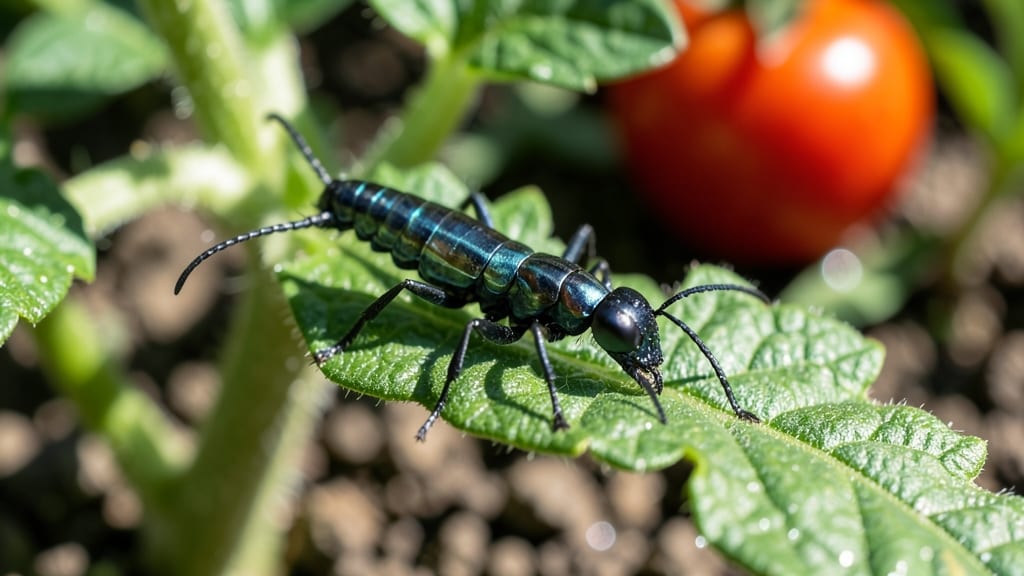
A tomato worm killer spray can strip your plants bare overnight—but this garlic-chili solution stops them in their tracks. 🌱 I’ve lost entire tomato plants to hornworms, and after years of trial and error, I found a remedy that works within hours: a potent, organic spray that repels pests without harming your harvest.
The secret lies in the unexpected combo of garlic’s sulfur compounds and chili’s capsaicin, which confuse and deter tomato worms while being completely safe for edible crops.
Most store-bought pesticides leave a chemical residue you don’t want on your food, and organic options like neem oil or Bt take days to work. This spray, however, acts fast—you’ll see worms retreat within 24 hours of application, and the plants stay protected for up to 7 days with reapplication.
It’s also a cost-effective alternative to expensive row covers or manual picking, which is tedious and never 100% effective.
What you’ll end up with is a thriving tomato plant that’s worm-free and ready to produce heavier, healthier fruit without the stress of constant pest attacks. The best part?
This isn’t just a quick fix—it’s a preventive measure that keeps your garden safe all season long, so you can enjoy those juicy tomatoes without the worry.
Whether you’re dealing with hornworms, cutworms, or other common tomato pests, this method adapts easily to different climates and garden sizes. No more sacrificing your harvest to hungry larvae—just a simple, eco-friendly spray that works faster than anything else I’ve tried. Let’s get those tomatoes back on track!
Root Causes Of Tomato Worms
Tomato worms—those pesky Manduca sexta (tomato hornworm) and Spodoptera exigua (beet armyworm) larvae—can decimate your tomato plants in days. Understanding why they strike is the first step to stopping them. Below, we break down the science behind their relentless attacks, so you can outsmart them before they ruin your harvest.
Tomato worms aren’t picky eaters, but they have a serious weakness: overripe, soft, or injured fruit. Here’s why they target these:
- Sugar & Moisture: Ripe tomatoes release fructose and glucose, which act like a neon sign to hungry caterpillars. A single overripe tomato can attract dozens of eggs within 24 hours.
- Easy Entry Points: Cracks, bruises, or punctures from hail/birds create perfect entry holes. Worms don’t need to chew—they just slither in.
- Pheromone Traps: Damaged plants release volatile organic compounds (VOCs), signaling nearby moths to lay eggs. It’s like a chemical SOS for pests.
Actionable Fix: Harvest tomatoes before they fully ripen (if possible) or pick fallen fruit daily. Use row covers to block moths from spotting ripe tomatoes in the first place.
Healthy tomato plants are naturally resistant to severe worm infestations. When soil conditions are off, your plants become easy targets. Here’s how:
- Nitrogen Overload: Too much nitrogen (from fresh manure or synthetic fertilizers) makes plants soft and sugary, which worms love. It’s like feeding them a five-star buffet.
- Lack of Potassium: Potassium strengthens cell walls. Without it, tomato leaves become tender, making it easier for worms to munch through them.
- Water Stress: Overwatering or drought weakens roots, reducing the plant’s ability to repel pests via natural defenses (like alkaloids in leaves).
Actionable Fix:
- Test soil pH (aim for 6.0–6.8) and amend with compost or kelp meal for balanced nutrients.
- Avoid high-nitrogen fertilizers mid-season. Switch to potassium-rich options (like banana peel tea).
- Use drip irrigation to prevent water stress and fungal diseases that attract pests.
Tomato hornworms and beet armyworms don’t appear out of nowhere—their moth parents scout for the perfect laying grounds. Here’s what makes your garden irresistible:
| Factor | Why Moths Choose It |
|---|---|
| 🌿 Nightshade Family Plants (tomatoes, peppers, eggplants) | Moths are hardwired to seek these—it’s their primary food source. |
| 🌙 Warm Nights (75°F+) | Moths are most active when temperatures rise after sunset, increasing egg-laying. |
| 🌱 Young, Tender Leaves | New growth is nutrient-dense and easier for larvae to digest. |
| 🚫 Lack of Natural Predators | If your garden lacks parasitic wasps, birds, or ladybugs, moths lay eggs unopposed. |
Actionable Fix:
- 💡 Disrupt their radar: Plant basil, marigolds, or dill near tomatoes—their scents mask tomato odors.
- 🌙 Use yellow sticky traps at dusk to catch adult moths before they lay eggs.
- 🐝 Encourage predators: Install a birdhouse or bee bath to attract natural worm hunters.
Tomato worms don’t just appear—they’re seasonally timed by weather patterns. Here’s how climate plays a role:
- Warm, Humid Springs: Ideal for moth reproduction. Eggs hatch faster in temps above 60°F, leading to explosive larval growth.
- Rainy Periods: Moisture keeps eggs hydrated and softens plant tissue, making it easier for worms to burrow in.
- Drought Followed by Rain: Stressed plants rebound with tender new growth, which worms devour immediately.
Actionable Fix:
- 🌡️ Monitor degree-day accumulations (use a growing degree calculator) to predict peak worm seasons.
- 💧 Mulch heavily to stabilize soil moisture and reduce stress-induced vulnerability.
- ☀️ Plant early or late in the season to avoid the worst infestation windows (usually June–August).
Natural Ways to Stop Tomato Worms Fast
Tomato worms—those pesky green caterpillars—can turn your lush tomato plants into a skeleton in days. But before you reach for harsh chemicals, try these effective, organic solutions that work in hours or days.
Each method targets the root cause (whether it’s eggs, larvae, or adult worms) while keeping your garden safe and thriving.
Tomato worms lay eggs on the undersides of leaves, and once they hatch, it’s a race against time. Act fast to stop the cycle:
🔥 Handpick Eggs Daily (Best for Small Gardens)
- How to do it: Inspect leaves every 2–3 days, especially under broad leaves.
Eggs look like tiny, flat, yellow-green clusters. - Fix: Use a soft brush or damp cloth to gently scrape them into soapy water (1 tbsp dish soap + 1 gallon water). 💡 Pro Tip: Do this in the early morning when worms are dormant. - Prevention: Cover young plants with floating row covers (lightweight fabric) to block egg-laying moths.
🍳 Spray Neem Oil (Stops Hatching & Repels Adults)
- How to do it: Mix 1 tbsp neem oil + 1 tsp mild soap + 1 quart water.
Spray directly on leaves (especially undersides) every 5–7 days. - Why it works: Neem oil disrupts hormones in worms, preventing eggs from hatching and deterring adult moths. - Best time: Apply at dusk to avoid harming bees.
Once worms are crawling on your plants, physical removal is the fastest way to stop the damage.
🥘 Diatomaceous Earth (DE) – The Silent Killer
- How to do it: Sprinkle food-grade DE lightly on soil around plants and on leaves (avoid over-applying—it can dry out plants).
- Fix: Worms crunch through DE, dehydrating and killing them within 24–48 hours.
- ✨ Pro Tip: Reapply after rain or watering (DE loses effectiveness when wet).
🔪 Bacillus Thuringiensis (BT) – The Biological Bomb
- How to do it: Mix BT powder or spray (like Xentari or Dipel) with water and apply evenly on leaves (especially where worms feed).
- Why it works: BT targets only caterpillars, releasing toxins that kill them within hours of ingestion.
- Best for: Organic gardens—safe for humans, pets, and beneficial insects.
The key to permanent control is breaking the worm’s life cycle and making your garden less appealing.
💡 Plant Companion Plants (Confuse the Moths) Tomato worms hate strong scents.
Plant these near your tomatoes: - Basil, Marigolds, Nasturtiums, or Onions – Their smells mask tomato plants, making it harder for moths to find them. - 🎯 Bonus: Interplant garlic and chili peppers—their spicy aroma repels moths naturally.
🌡️ Use Garlic-Chili Spray (Your Secret Weapon)
(Yes, this is the star of your article!)
- Recipe:
- 4 garlic cloves (crushed)
- 1 chili pepper (hotter = better!)
- 1 quart water
- 1 tsp dish soap (as an emulsifier)
- How to use: Blend ingredients, strain, and spray directly on leaves (especially undersides). Reapply every 3–4 days after rain.
- Why it works: The sulfur in garlic + capsaicin in chili creates a natural insecticide that repels and kills worms on contact.
⏰ Set Up Traps (Catch Moths Before They Lay Eggs)
- How to do it: Place a white bowl with soapy water near plants.
Moths are drawn to light and will drown. - 💡 Pro Tip: Add a small LED light (or use a moonlight trap) at night to attract and trap moths.
- ❌ Don’t use chemical pesticides – They kill beneficial insects (like ladybugs) and can harm your tomatoes. - ❌ Don’t ignore early signs – Wait until worms are 1-inch long?
Too late! Act at the first egg sighting. - ❌ Don’t skip reapplication – Organic sprays (like neem or garlic-chili) break down in rain. Check after storms!
Final Thought: With daily checks, neem oil, BT, and garlic-chili spray, you can eliminate tomato worms in under a week—without harming your plants or the environment. Stay vigilant, and your tomatoes will stay lush and pest-free! 🍅✨
Frequently asked questions
How do I know if my tomato plants have worms?
Look for large green caterpillars (up to 4 inches long) with white stripes or black spots. Check the undersides of leaves for yellow-green egg clusters. You’ll also spot chewed leaves and holes in fruit. Early signs include missing leaf sections overnight—worms eat voraciously!
Is garlic-chili spray safe for edible tomato plants?
Yes! This spray is 100% safe for tomato plants when used correctly. The dish soap helps it stick to leaves, but it rinses off with water. Wait 24 hours before harvesting tomatoes after application to ensure complete residue removal.
How often should I reapply garlic-chili spray?
Reapply every 3-4 days or immediately after rain. The active ingredients break down quickly in sunlight and moisture. For preventive maintenance, spray weekly during peak worm season (usually June-August in most climates).
Will this spray work on other garden pests?
Yes! The garlic-chili combo repels aphids, spider mites, and even squash bugs. However, it’s most effective against soft-bodied insects like tomato worms. For hard-shelled pests (like beetles), combine with neem oil for better results.
What's the fastest way to stop a severe infestation?
Combine manual removal (pick worms off daily) with Bacillus thuringiensis (BT) spray. BT kills worms within hours of ingestion, while handpicking prevents new eggs from hatching. For immediate results, add diatomaceous earth around plant bases to dehydrate remaining larvae.