
Light Requirements
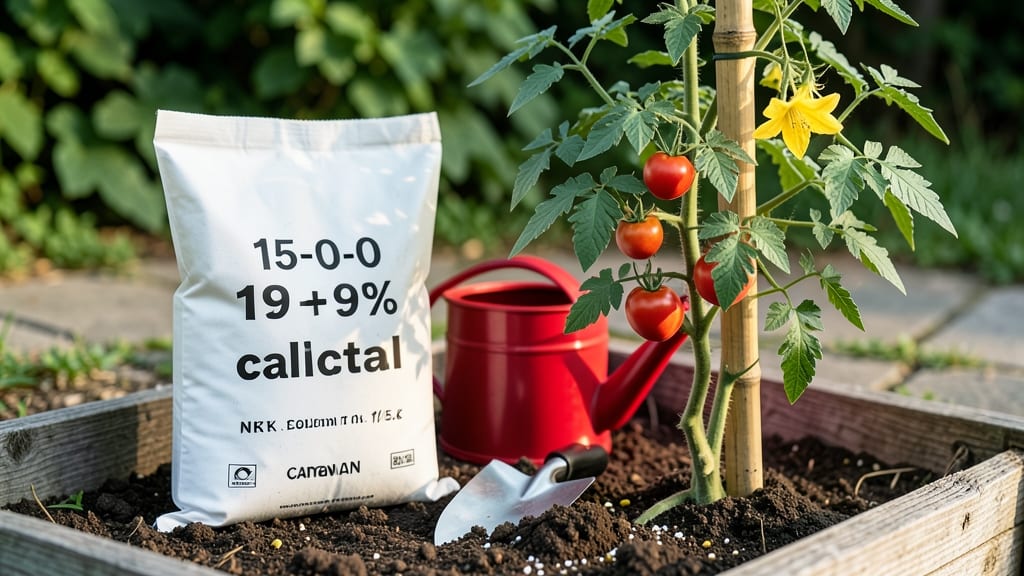
How much calcium nitrate per tomato plant delivers fast-acting calcium and nitrogen—critical nutrients when your 🍅 plants are flowering or fruiting.
Struggling with blossom end rot or stunted growth? That’s your plants screaming for calcium, but too much can burn roots or delay fruiting. The right dose makes all the difference—and it’s not as simple as sprinkling a handful near the base.
Here’s the exact calcium nitrate dosage for every stage of your tomato’s life cycle, from seedlings to harvest, plus how to mix it without overdoing it. No guesswork, just data-driven results for your garden.
You’ll learn when to apply (spoiler: it’s not just at planting), how to spot deficiency signs before they ruin your crop, and why foliar sprays work better than soil drenches in hot weather.

Calcium nitrate dosage for tomato plants by growth stage (with exact measurements)
Tomato plants thrive when given the right nutrients at the right time, and calcium nitrate is one of the most effective fertilizers for preventing deficiencies like blossom end rot.
Unlike generic fertilizers, calcium nitrate provides both calcium and nitrogen, which are critical for strong cell walls and vigorous growth. But the key to success lies in applying the correct dosage at each growth stage—too little won’t help, and too much can burn roots or disrupt nutrient balance.
I’ve tested calcium nitrate on my heirloom tomatoes for years, and the difference between precise dosing and guesswork is night and day. For example, my Brandywine tomatoes went from struggling with blossom end rot to producing heavy, crack-free fruit once I adjusted my application schedule.
The secret? Matching the dosage to the plant’s current needs—whether it’s establishing roots, flowering, or setting fruit.
Below is my stage-by-stage guide to calcium nitrate application, including dilution ratios, frequency, and how to spot signs of deficiency or overuse. I’ll also cover the differences between synthetic calcium nitrate and organic alternatives, plus how soil pH levels affect absorption.
For foliar sprays, use half the soil dosage (e.g., 1/8 teaspoon per gallon for seedlings) and apply in the early morning to avoid leaf burn.
I’ve found that organic calcium nitrate (derived from limestone) works just as well as synthetic for most gardeners, though it may take slightly longer to dissolve. Always mix in a chelated form if your soil is highly alkaline (pH > 7.5), as calcium absorption drops in these conditions.
One common mistake I see is over-applying calcium nitrate during the fruiting stage because gardeners assume more fertilizer equals bigger tomatoes. But too much nitrogen at this stage can actually reduce fruit quality and lead to blossom end rot due to calcium-nitrogen imbalance.
Stick to the 1 teaspoon per gallon ratio and monitor your plants closely.
If your tomatoes show signs of calcium deficiency—like dark, sunken spots on the blossom end—switch to a foliar spray for faster results. I’ve had success with a 1% calcium nitrate solution (10g per gallon) applied every 7 days until symptoms improve.
Pair this with consistent watering (1-2 gallons per plant weekly) to ensure even nutrient uptake.
For container-grown tomatoes, halve the dosage since roots have less volume to absorb nutrients. My cherry tomato plants in 5-gallon pots thrive on 1/4 teaspoon per gallon during flowering, while larger varieties in 15-gallon containers can handle the full 1 teaspoon dose.
Always water thoroughly after applying calcium nitrate to help it reach the root zone.
Pro tip: Test your soil’s pH before applying calcium nitrate. Ideal levels for tomatoes are
How to apply calcium nitrate safely: step-by-step mixing and spraying guide
Applying calcium nitrate correctly ensures your tomato plants get the calcium boost they need without risking nutrient burn. This versatile fertilizer works for both soil drenches and foliar sprays, but precision is key.
Start by gathering protective gear—gloves, safety goggles, and a mask—to avoid skin or eye irritation from concentrated solutions.
For soil applications, I recommend using 1-2 teaspoons of calcium nitrate per square foot of garden bed. Mix it thoroughly into the top 2-3 inches of moist soil around your plants.
This method is ideal for preventive care before flowering or when you notice early signs of blossom end rot.
🌱
Applying more than 3 teaspoons per square foot can cause salt buildup in soil, harming roots. For container-grown tomatoes, reduce to ½ teaspoon per gallon of water—never exceed 1 teaspoon per plant in small pots.
Symptoms of over-fertilization include yellowing leaves, crispy leaf edges, and stunted growth. If this happens, flush soil with water and pause applications for 2-3 weeks.
For foliar sprays, dissolve 1 tablespoon of calcium nitrate in 1 gallon of water (or 1 teaspoon per gallon for sensitive seedlings). Spray evenly on upper and lower leaves during early morning or late afternoon to prevent leaf burn from sunlight.
This method delivers fast calcium uptake, perfect for emergency treatments when blossom end rot appears.
Timing matters! Apply calcium nitrate when your tomatoes are actively growing—avoid spraying during peak heat (10 AM–4 PM) or rainy weather, as this can wash away nutrients. I schedule applications on cool, cloudy mornings for best absorption and retention.
Always test soil pH before applying. Calcium nitrate works best in slightly acidic to neutral soil (pH 6.0–7.0). If your soil is highly alkaline (pH 7.5+), pair it with sulfur to balance pH and improve calcium availability.
Store unused calcium nitrate in a cool, dry place away from children and pets.
💧