
Vegetables
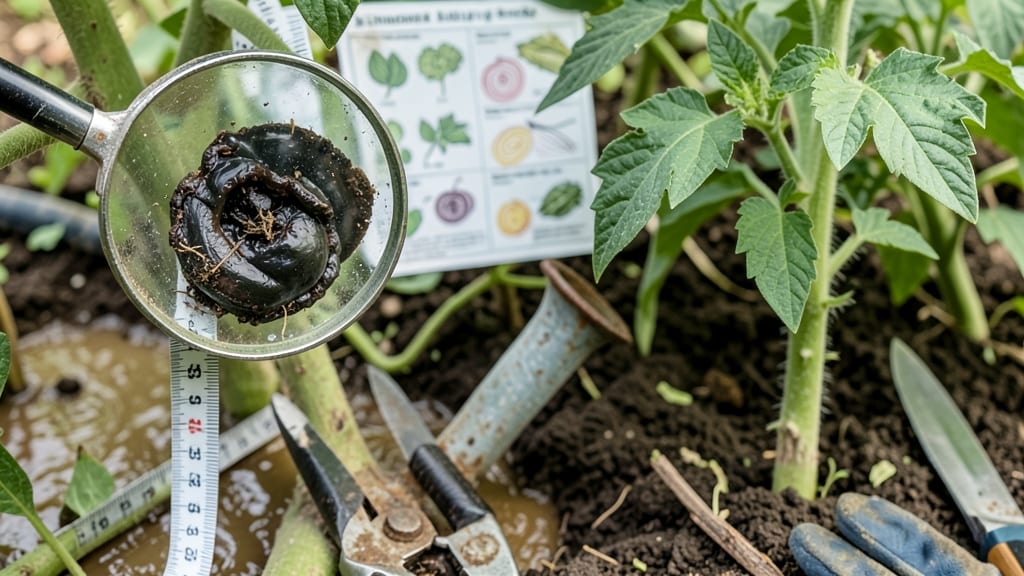
Tomato stem problems can turn a promising harvest into a disaster—until you build this foolproof DIY trellis that keeps plants upright and supports 10-pound tomatoes without sagging. The secret? Sturdy materials, proper spacing, and a design that grows with your plants.
Most problems start with weak stems—whether from fungal diseases like early blight, pests chewing through tissue, or simply vines outgrowing their support. My trellis solves all three by elevating plants off the ground, improving airflow, and distributing weight evenly. No more broken branches or rotting stems at the base.
By the end of this guide, you’ll have a trellis system that lasts multiple seasons, resists wind, and keeps your tomatoes productive until first frost. The best part? It costs less than $20 in supplies and takes under an hour to assemble—no carpentry skills required.
We’ll cover how to diagnose stem issues, when to reinforce your trellis, and how to prevent future problems organically. Even if your plants are already struggling, this method can save them—I’ve revived vines that were nearly lost using these exact techniques.
Root Causes of Weak Tomato Stems
Understanding why tomato stems struggle to support heavy vines is key to preventing floppy plants and maximizing your harvest. 🌱🍅 The issue often stems from a mix of environmental, genetic, and cultural factors—let’s break down the science behind the most common culprits.
When tomato plants produce more fruit than their stems can handle, the weight causes stem elongation, bending, or even snapping. This happens because: - Physiological stress: Each tomato is heavy with water (up to 95% of its weight!).
A single large fruit can weigh 1–2 lbs, and a single vine may carry dozens of tomatoes at peak ripeness. - Lack of structural support: Tomato stems (primarily made of parenchyma cells) aren’t designed to bear heavy loads without reinforcement.
Without a trellis or stake, the plant’s natural gravitropic response (growing toward gravity) causes vines to sag under the weight. - Hormonal imbalance: Overloaded plants divert energy from lignin production (the compound that strengthens cell walls) to fruit development, weakening stems over time.
Actionable insight: Prune suckers (the small shoots in the leaf axils) to reduce fruit load and redirect energy to fewer, stronger stems. Aim for 2–3 main stems per plant for better support.
Stems rely on a strong root system to anchor the plant and transport nutrients for structural integrity. Deficiencies in key nutrients lead to: - Nitrogen (N) deficiency: While nitrogen fuels leafy growth, too much can result in soft, weak stems with poor cell wall strength.
Conversely, too little stunts root development, leaving stems unable to support vines. - Calcium (Ca) deficiency: Calcium is critical for cell wall rigidity and middle lamella formation (the "glue" between plant cells).
Without enough calcium, stems become prone to cracking, splitting, or collapsing—a condition called blossom-end rot can also signal systemic calcium issues. - Potassium (K) deficiency: Potassium regulates osmotic pressure in plant cells, helping them retain water and maintain turgor (firmness). Low potassium = flaccid, easily broken stems.
Soil test tip: 💡 Test your soil for pH (6.0–6.8 ideal) and nutrient levels. Amend with compost, crushed eggshells (for calcium), or a balanced fertilizer (10-10-10) to fortify roots and stems.
Tomato stems are highly sensitive to physical stress, and environmental factors can turn a sturdy plant into a floppy mess: - Wind damage: Strong winds whip vines against each other, causing abrasions, stem bruising, or outright snapping.
Even gentle breezes can disrupt pollination, leading to deformed or undersized fruit that adds extra weight. - Heavy rainfall: Saturated soil reduces oxygen availability, weakening roots and making stems more susceptible to disease (like fungal infections) and physical stress. Prolonged wetness also softens stems, making them more prone to breaking. - Extreme heat: High temperatures (above 90°F) cause protein denaturation in stem cells, reducing their ability to synthesize structural compounds like lignin.
Heat also increases transpiration, drying out stems and making them brittle.
Pro tip: ✨ Mulch heavily (with straw or grass clippings) to retain soil moisture and protect stems from wind. Use windbreaks or row covers in storm-prone areas.
Pathogens and pests compromise stem integrity by: - Fungal infections (e.g., Fusarium wilt, Verticillium wilt): These clog xylem vessels, disrupting water and nutrient transport.
Infected stems become darkened, mushy, or hollow, unable to support vines. Wilting is a classic sign—even if leaves droop, the stem itself may be structurally compromised. - Bacterial soft rot (e.g., Erwinia): Causes stem pitting, oozing sap, and collapse.
Bacteria break down pectin (the "cement" between cells), leading to sudden vine failure. - Insect damage (e.g., tomato hornworms, cutworms): Chewing insects sever stems or strip leaves, reducing the plant’s ability to photosynthesize and produce structural support compounds.
Prevention tip: 🛡️ Rotate crops annually to prevent soil-borne pathogens, and handpick pests (or use BT spray for hornworms). Copper fungicides can help manage bacterial issues early.
Even well-meaning gardeners can weaken stems with bad pruning habits: - Over-pruning: Removing too many leaves reduces the plant’s ability to produce energy for stem reinforcement.
Aim to leave enough foliage to shade fruit (prevents sunscald) but prune aggressively to improve airflow. - Late-season pruning: Trimming stems after they’ve borne heavy fruit removes supporting tissue just when the plant needs it most. - Tying too tightly: Using wire or harsh twine can girdle stems (damage the vascular tissue), leading to weakened growth or sudden breakage.
Best practice: 🔪 Prune early and often, focusing on removing suckers and diseased leaves while preserving 3–4 main stems. Use soft ties (like old T-shirts or burlap) to support vines without restricting growth.
Not all tomatoes are created equal when it comes to stem strength:
- Indeterminate varieties (e.g., ‘Sungold’, ‘Brandywine’): These grow continuously and produce heavy, sprawling vines, requiring constant support.
- Determinate varieties (e.g., ‘Roma’, ‘Celebrity’): These bushier plants have shorter, sturdier stems but can still flop under weight if not caged.
- Heirloom vs. hybrid: Many heirloom tomatoes have thinner stems compared to hybrid varieties bred for disease resistance and vigor.
Variety hack: 🌿 For heavy vines, choose hybrid indeterminates like ‘Super Sweet 100’ or ‘Better Boy’, which balance fruit weight and stem strength. If growing heirlooms, invest in a robust trellis system from the start.
How to solve it
When your tomato plants start to flop like a deflated balloon, it’s time to act fast—but don’t reach for expensive supports just yet! 🌱 With a few simple, plant-friendly fixes, you can strengthen those stems and keep your vines thriving.
Below, we’ve mapped out the best solutions for common tomato stem problems, whether it’s wilting, cracking, or just plain sagging under the weight of juicy fruit. Each fix is designed to be easy, cost-effective, and—most importantly—effective.
If your tomato stems feel mushy or droop like a wet noodle, you’re likely dealing with overwatering or a fungal infection like blight. Here’s how to revive them:
- ⏰ Step 1: Pause Watering Immediately – Let the soil dry out slightly (stick your finger 1-2 inches deep; if it’s soggy, wait). Overwatering suffocates roots and invites disease.
- 🌱 Step 2: Improve Drainage – Mix in perlite or coarse sand to the top 2-3 inches of soil to help excess water drain. If potted, add holes if missing.
- 💡 Pro Tip: Water at the base (not the leaves) in the morning to prevent fungal spores from spreading. Use a soaker hose for deep, slow hydration.
- 🔥 Step 3: Fungal Fix (If Needed) – Spray stems and leaves with a baking soda solution (1 tsp baking soda + 1 quart water + a drop of dish soap) or a copper fungicide for blight.
- 🌿 Prevention: Space plants 18-24 inches apart for airflow, and avoid watering late in the day.
Those unsightly vertical splits? They’re usually caused by too-fast growth or sudden heat/cold shifts. While cracks won’t kill the plant, they can invite rot. Try these fixes:
- 👨🍳 Step 1: Prune Aggressively – Trim back suckers (side shoots) and some leaves to slow growth. Focus on keeping the main stem sturdy.
- 🥘 Step 2: Mulch Thickly – Apply 2-3 inches of straw or wood chips around the base to regulate soil temp and reduce stress.
- 🔪 Step 3: Seal Cracks (Temporary Fix) – For small cracks, dab on petroleum jelly or beeswax to prevent moisture loss (reapply after rain).
- 🌡️ Prevention: Use shade cloth during heatwaves and avoid sudden fertilizer spikes. Grow in containers if your climate swings wildly.
When tomatoes bow under their own weight, it’s a sign they need structure. Here’s how to build a DIY trellis (or reinforce existing supports) without breaking the bank:
| Material | How to Use | Cost |
|---|---|---|
| Bamboo Stakes + Twine | Insert 3-4 stakes around the plant, tie vines gently to stakes with twine as they grow. No knots! Use a figure-eight loop to avoid cutting stems. | $5–$10 |
| Pallet Wood Trellis | Repurpose a wooden pallet by propping it vertically and weaving vines through the slats. Secure with zip ties. | $0 (upcycled) |
| Cattle Panel Arches | Bend a cattle panel into a half-circle, bury the ends, and train vines upward. Great for large plants! | $15–$25 |
| Tomato Cage Upgrade | If using cages, add a bamboo stake inside for extra support. Remove lower leaves to prevent disease. | $0–$5 |
💡 Pro Tip: For heavy varieties (like beefsteak tomatoes), combine a trellis + stake for maximum support. Weave vines in a spiral up the trellis to distribute weight evenly.
✨ Prevention:
- Choose determinate varieties (bush tomatoes) if you hate trellises—they’re naturally sturdier.
- Fertilize with low-nitrogen, high-potassium mix (like 5-10-10) to strengthen stems.
- Harvest regularly to prevent overloading of branches.
If the stem at the soil line turns dark, mushy, or smells foul, you’re dealing with root rot or bacterial wilt. Act fast—this is a plant killer if ignored.
- 🚨 Step 1: Isolate the Plant – Move it away from healthy tomatoes to prevent spread. Remove any nearby mulch.
- 🔪 Step 2: Prune Infected Areas – Use sterilized shears to cut off all rotted stem tissue (even if it means sacrificing the plant). Dip shears in rubbing alcohol between cuts.
- 🌱 Step 3: Repot or Replant –
- If potted: Replace all soil and rinse roots with hydrogen peroxide (3%) for 10 mins to kill pathogens.
- If in-ground: Dig up the plant, remove rotted roots, and replant in fresh, sterile soil.
- 💡 Pro Tip: Add beneficial bacteria like Mycorrhizal fungi to the new soil to boost root health.
- 🌿 Prevention:
- Avoid overhead watering—use drip irrigation instead.
- Rotate crops yearly—don’t plant tomatoes in the same spot.
- Solarize soil in spring by covering it with clear plastic for 4–6 weeks to kill pathogens.
Frequently asked questions about tomato stem problems
Why do my tomato stems crack vertically even when the plant looks healthy?
Vertical cracks usually appear when stems grow too quickly due to sudden heat, inconsistent watering, or nutrient spikes. The rapid expansion causes the outer layers to split. To prevent this, mulch heavily to stabilize soil moisture and avoid heavy fertilizers late in the season. For existing cracks, seal them temporarily with petroleum jelly to prevent rot.
How can I tell if my tomato plant has bacterial wilt vs. just wilting from heat?
Bacterial wilt causes yellowing leaves that stay upright (unlike heat wilt where leaves droop) and oozing sap from stems when cut. The stem will also feel mushy when squeezed. If you suspect bacterial wilt, isolate the plant immediately and avoid overhead watering to prevent spread.
What's the best way to support heavy tomato varieties without damaging the stems?
Use a combination of a DIY trellis (like repurposed pallet wood) and a central bamboo stake. Tie vines gently with soft materials (like old T-shirts) in a figure-eight loop to avoid girdling. For varieties like 'Better Boy', add a second stake for extra support. Always weave vines in a spiral pattern to distribute weight evenly.
Can I still save a tomato plant if the main stem snaps near the base?
Yes, if the roots are healthy! Prune back any damaged stems down to healthy tissue and fertilize with a high-potassium mix to strengthen regrowth. For extra support, immediately install a sturdy cage or trellis and stake any remaining stems. The plant may produce fewer tomatoes but can often recover fully.
Why do my tomato stems get weak even when I use tomato cages?
Standard cages often don't provide enough support for indeterminate varieties. The stems grow through the wire mesh, creating weak points where they bend. For better support, add bamboo stakes inside cages or switch to a wooden trellis system that allows vines to climb upward rather than push outward.