
Vegetables
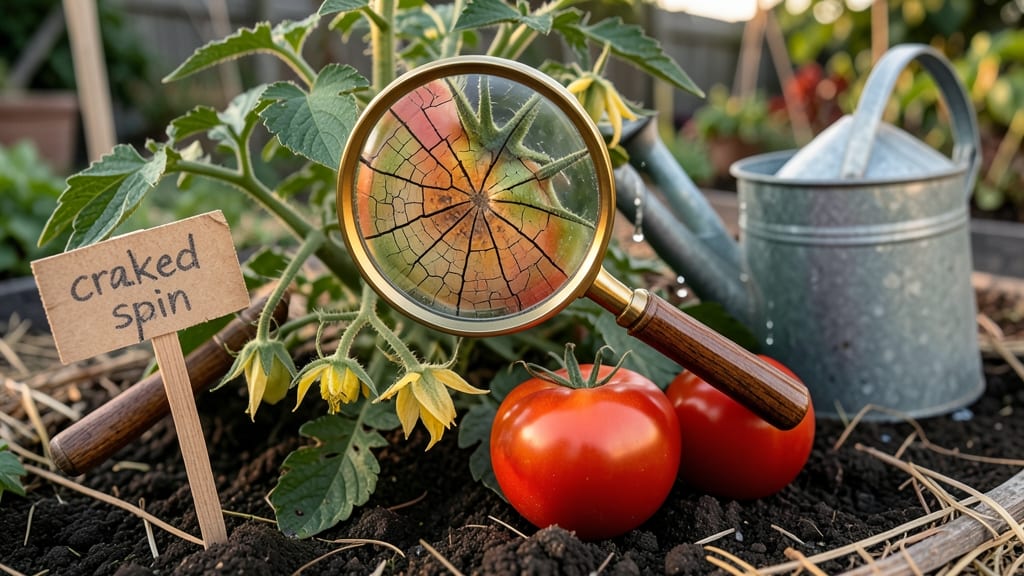
Tomato skin cracking turns your hard work into a blemished mess—until you know the real fix. 🌱 I’ve seen entire harvests ruined by those ugly splits, but the solution is simpler than you’d think: it’s all about water, timing, and the right varieties.
The moment you understand why it happens, you’ll never let it happen again.
Uneven watering is the #1 culprit—soaking dry soil then letting it dry out again makes fruits swell and split like overinflated balloons. Extreme heat or cold swings do the same damage, while some heirloom varieties are genetically prone to cracking no matter what.
The good news? Consistent moisture and shade cloth on hot days can prevent 90% of splits.
Here’s the game-changer: mulch your plants with straw or grass clippings to keep soil evenly moist, and harvest tomatoes when they’re 75% ripe (they’ll finish ripening indoors). For next season, choose crack-resistant varieties like ‘Celebrity’ or ‘Mountain Merit’—they’re bred to stay intact even with irregular watering.
Once you’ve got the basics down, you’ll be picking perfect, unblemished tomatoes all season long. No more hiding cracked fruits in the back of the fridge—just proud, picture-perfect harvests. Let’s get those plants producing flawlessly!
The Hidden Triggers Behind Cracked Tomato Skin
If you’ve ever plucked a tomato from the vine only to find its skin split like a dried riverbed, you’re not alone. 🌱💦 Tomato skin cracking is a frustrating but common issue—one that stems from a mix of environmental stress and physiological quirks.
Understanding the root causes is the first step to preventing it. Let’s break down the science behind why your tomatoes develop those unsightly (and sometimes unsellable) cracks.
Tomatoes are 95% water, and their skin is designed to stretch as they grow. But when water availability swings between feast and famine, the skin can’t keep up. Here’s how it happens:
- Rapid Water Uptake: After a dry spell, roots absorb water quickly. The fruit expands faster than the skin can accommodate, leading to radial cracks (vertical splits).
- Uneven Moisture: Drip irrigation or overhead watering can create hot spots where some tomatoes swell while others stay dry, causing concentric cracks (circular splits near the stem).
- Soil Saturation: Heavy rain or overwatering forces roots to work harder, leading to bursting—where the skin splits under internal pressure.
Actionable Fix: Maintain consistent soil moisture by mulching (2–3 inches of straw or wood chips) to reduce evaporation. Use drip irrigation or soaker hoses to deliver water slowly at the base, avoiding wetting the foliage.
Tomatoes are tropical plants at heart, and they hate sudden temperature swings. When heat and cold play tug-of-war, the skin’s elasticity takes a hit:
- Hot Days + Cool Nights: Diurnal temperature fluctuations cause rapid expansion and contraction. The skin can’t stretch fast enough, leading to net-like cracks (especially on heirloom varieties).
- Cold Stress: Temperatures below 50°F (10°C) slow down fruit development, while sudden heat spikes (above 90°F / 32°C) accelerate growth—both disrupt the skin’s ability to adapt.
- Frost or Hail Damage: Physical trauma from extreme weather weakens cell walls, making cracks more likely as the tomato matures.
Actionable Fix:
- Use shade cloth (30–50%) during peak afternoon heat.
- Plant in microclimates (e.g., near a south-facing wall) to buffer temperature swings.
- Apply row covers if frost is forecasted.
When tomatoes aren’t pollinated properly, they grow deformed or unevenly, putting stress on the skin. Here’s why:
- Lack of Bees/Wind: Without pollinators, flowers may drop or produce blind (seedless) fruit that grows erratically, leading to weak skin.
- Over-Fertilization with Nitrogen: Too much nitrogen promotes leafy growth over fruit, resulting in small, uneven tomatoes prone to cracking.
- Hand-Pollination Mishaps: If you’re manually pollinating (e.g., with a paintbrush), inconsistent coverage can cause lopsided fruit that cracks as it fills.
Actionable Fix:
- Encourage pollinators with bee-friendly plants (e.g., basil, marigolds) or hand-pollinate on cloudy days.
- Balance your fertilizer with a low-nitrogen, high-phosphorus blend (e.g., 5-10-10) to support fruit development.
- Thin overcrowded plants to improve air circulation and even pollination.
While tomatoes need nutrients to thrive, excessive calcium or boron can actually harden the skin, while deficiencies make it brittle. The sweet spot? A balanced diet.
- Calcium Deficiency: Without enough calcium, cell walls weaken, leading to blossom-end rot (though cracks can still form higher up).
- Boron Toxicity: Over-application of boron (common in some fertilizers) causes corky, cracked skin and internal discoloration.
- Potassium Imbalance: Too little potassium = weak cell structure; too much = osmotic stress, forcing the skin to stretch beyond its limits.
Actionable Fix:
- Add crushed eggshells or calcium nitrate to soil (but avoid overdoing it—aim for 1–2 lbs per 100 sq ft).
- Test your soil for boron levels (ideal range: 0.5–2.0 ppm). If high, flush soil with water.
- Use a balanced fertilizer (e.g., 10-10-10) and foliar-spray with kelp meal for natural potassium.
Some tomato varieties are genetically prone to cracking due to their growth habits:
- Heirloom Varieties: Open-pollinated types (e.g., Brandywine, Cherokee Purple) often have thinner skins and grow faster, making them more susceptible.
- Indeterminate Tomatoes: These vining types produce fruit continuously throughout the season, leading to uneven maturity and cracking risks.
- Hybrid Resilience: Some modern hybrids (e.g., Solar Fire, Mountain Merit) are bred for crack-resistant skin, but even they can succumb to environmental stress.
Actionable Fix:
- Choose determinate varieties (e.g., Roma, Celebrity) for a single harvest window, reducing stress.
- If growing heirlooms, prune aggressively to limit fruit load and improve air flow.
- Consider grafting heirloom scions onto crack-resistant rootstock for hybrid vigor.
Now that you know the why, the next step is the how. Stay tuned for our deep dive into preventive strategies—because with the right adjustments, you can grow tomatoes so flawless, they’ll make your neighbors green with envy. 🍅✨
Quick fixes for split-skinned tomatoes
Now that you know why your tomatoes are developing those unsightly cracks, let’s roll up our sleeves and tackle the problem head-on! The good news? Most solutions are simple, cost-effective, and can be implemented right away.
Below, we’ve mapped out practical fixes based on the most common causes, along with prevention tips to keep your tomato harvest flawless. Think of this as your gardener’s troubleshooting manual—no green thumb required!
If your tomatoes are splitting due to uneven water uptake, the fix is all about consistency. Overwatering or drying out can stress the fruit, leading to those dreaded cracks. Here’s how to dial it in:
🔥 Adjust Your Watering Schedule
- Water deeply but infrequently: Aim for 1–1.5 inches of water per week, delivered at the base of the plant (not the leaves).
Use a soaker hose or drip irrigation to avoid wetting the foliage, which can spread disease. - Morning is best: Water early in the day so the plants have time to dry out, reducing fungal risks. - Mulch like a pro: Apply 2–3 inches of organic mulch (straw, wood chips, or grass clippings) around the base to retain moisture and regulate soil temperature. Pro tip: 🌡️ Mulch also keeps roots cool, preventing sudden water absorption spikes that cause splitting.
🌱 Improve Soil Drainage
- Test your soil: If it’s heavy clay or compacted, amend it with compost or perlite to boost drainage.
Well-draining soil prevents waterlogging, which stresses roots and leads to uneven growth. - Raise beds for better control: If you’re in a high-rainfall area, consider elevated beds or containers to manage water flow better.
💡 Prevention Tip
- Monitor soil moisture: Stick your finger 1–2 inches into the soil—if it’s dry, water; if it’s soggy, hold off. A moisture meter can take the guesswork out of it!
Tomatoes love sun, but intense heat (especially in late summer) can cause rapid growth spurts, leading to cracks. Here’s how to protect your plants:
👨🍳 Provide Afternoon Shade
- Use shade cloth: If temperatures frequently exceed 90°F (32°C), drape 30–50% shade cloth over your plants in the afternoon (when the sun is harshest).
This slows down water loss and reduces stress. - Plant strategically: If you’re starting a new garden, place tomatoes where they get morning sun and afternoon shade from a fence, trellis, or taller plants.
🥘 Keep Soil Cool
- Whitewash tomato cages: Paint your cages or stakes with white latex paint to reflect sunlight and keep plants cooler.
- Use reflective mulch: Lay down white plastic mulch around the base to bounce back heat and retain moisture.
💡 Prevention Tip
- Choose heat-tolerant varieties: If you live in a hot climate, opt for heat-resistant tomatoes like ‘Heatmaster,’ ‘Solar Fire,’ or ‘Arkansas Traveler.’ These varieties handle temperature swings better!
Tomatoes need balanced nutrients to grow steadily. If they’re cracking due to nutrient imbalances (like too much nitrogen or not enough calcium), a targeted feeding plan will help.
📊 Boost Calcium for Stronger Cell Walls
- Apply calcium-rich amendments: Mix crushed eggshells, bone meal, or gypsum into the soil before planting.
For a quick fix, spray a calcium solution (like 1 tbsp calcium chloride per gallon of water) on leaves and soil. - Use compost tea: A homemade compost tea (steep compost in water for 24–48 hours, strain, and dilute) provides a gentle nutrient boost.
🍎 Balance Your Fertilizer
- Avoid high-nitrogen fertilizers: Too much nitrogen = leafy growth, fewer fruits, and weaker cell walls.
Instead, use a balanced 10-10-10 or 5-10-10 fertilizer (or organic options like fish emulsion or worm castings). - Side-dress with potassium: A banana peel tea (soak peels in water for a week) or wood ash (sparingly!) can add potassium, which strengthens fruit structure.
💡 Prevention Tip
- Test your soil: A simple soil test kit (available at garden centers) can tell you if your soil is deficient in calcium, magnesium, or potassium—so you can amend it proactively!
If tomatoes are competing for resources or struggling under their own weight, cracks can form. Proper spacing and support are key!
🔪 Prune for Better Airflow
- Remove suckers: Pinch off suckers (the shoots that grow in the joint between the stem and a branch) to redirect energy to fruit production. Pro tip: ✨ Do this early in the season to avoid overstressing the plant.
- Thin out leaves: If your plant is too bushy, trim lower leaves to improve airflow and reduce humidity (which can lead to disease).
🌱 Stake or Cage Properly
- Use sturdy supports: Install tomato cages, stakes, or trellises as soon as you transplant seedlings.
This prevents fruit strain as they grow. - Tie gently: Use soft plant ties or old T-shirts to secure vines to supports—never tie too tight, or you’ll restrict growth.
💡 Prevention Tip
- Space plants 18–24 inches apart: Overcrowding leads to competition for water and nutrients, which can cause uneven growth. If you’re growing in containers, use 1–2 plants per 5-gallon pot.
If your tomatoes are splitting just before ripening, it’s often due to rapid water uptake in hot weather. Here’s how to salvage them:
🍅 Pick Early and Ripen Indoors
- Harvest slightly green tomatoes: If cracks appear, pick the fruit early (when it’s 75% mature) and let it ripen on a countertop or windowsill.
This prevents further splitting. - Use a ripening trick: Place tomatoes in a paper bag with a banana (ethylene gas speeds up ripening) for a few days.
🔪 Remove Damaged Fruit
- Cut out cracked tomatoes: If a fruit is already split, snip it off to prevent pests or disease from entering the plant. Focus energy on uncracked fruits for a better yield.
To keep your tomatoes crack-free next season, follow this quick checklist: ✅ Water consistently (deep and early in the day). ✅ Mulch heavily to retain moisture and cool roots. ✅ Shade from afternoon sun in extreme heat. ✅ Fertilize with calcium and potassium (not just nitrogen). ✅ Prune and support plants properly. ✅ Harvest early if cracks start appearing.
With these fixes, you’ll be well on your way to a bountiful, blemish-free tomato harvest! 🍅✨ Remember, the key is observation and consistency—your plants will thank you with juicy, perfect fruits. Happy gardening!
Frequently asked questions
Why do my tomatoes crack even when I water them regularly?
Uneven watering is the #1 cause, but even consistent watering can lead to cracks if the soil moisture fluctuates too much. When roots absorb water rapidly after a dry spell, the fruit expands faster than the skin can stretch. Try mulching with straw (2-3 inches) to maintain even moisture, and water deeply in the morning to prevent afternoon evaporation.
Can I still eat tomatoes with cracked skin?
Cracked skin doesn’t affect taste or safety. Just avoid any tomatoes with deep cracks that expose the jelly-like interior to pests. For best quality, harvest slightly underripe tomatoes (75% mature) when cracks first appear, then ripen them indoors in a paper bag with a banana to speed up the process.
Are some tomato varieties more prone to cracking than others?
Yes—heirloom varieties like Brandywine and Cherokee Purple often crack more easily due to their thinner skins and faster growth. For crack-resistant options, try hybrids like Celebrity, Mountain Merit, or Solar Fire. Determinate varieties (that produce all fruit at once) generally handle stress better than indeterminate vining types.
Will adding more fertilizer prevent tomato skin cracking?
Not necessarily—too much nitrogen actually makes cracking worse by promoting leafy growth over fruit development. Instead, focus on balanced fertilizers (like 10-10-10) and calcium-rich amendments (crushed eggshells or gypsum). Test your soil first to identify specific deficiencies that might be weakening the skin.
How can I fix cracked tomatoes that are almost ripe?
For nearly ripe cracked tomatoes, your best options are:
- Harvest them immediately and ripen indoors, or
- Prune away the cracked fruit to redirect the plant’s energy to healthier tomatoes. If the cracks are minor, you can also seal them with a thin layer of petroleum jelly (food-grade) to prevent further splitting while they finish ripening.