
Companion Plants
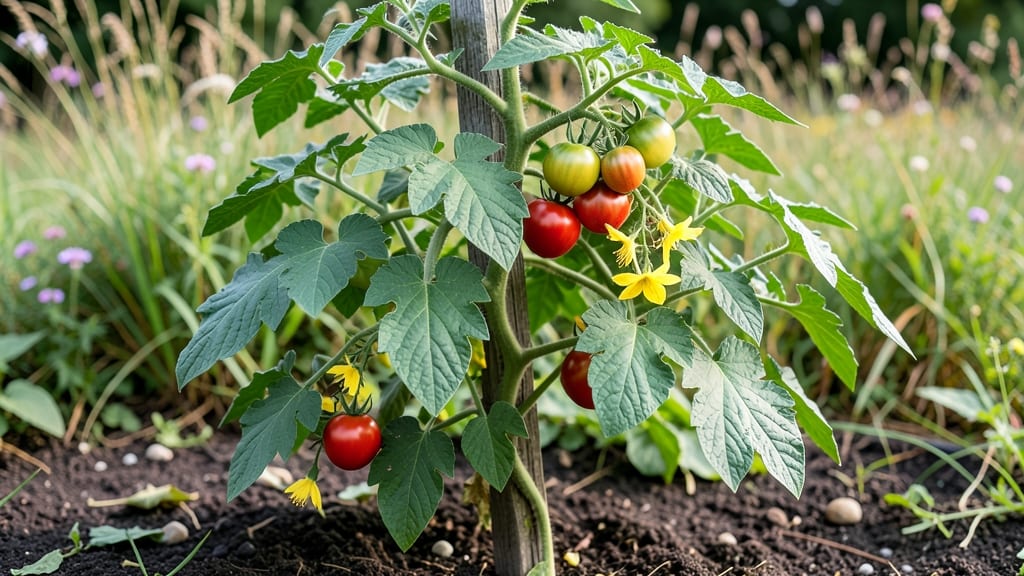
The Arkansas Traveler tomato plants deliver flavor so rich it’ll make you reconsider every grocery-store tomato you’ve ever eaten. 🌱 I’ve grown them for years, and the secret to their legendary taste isn’t just patience—it’s the right neighbors.
Plant them near basil, borage, or marigolds, and you’ll taste the difference in every juicy slice.
These vining beauties crave full sun and well-draining soil with a pH between 6.0 and 6.8. A 4-foot-tall cage or sturdy trellis keeps their sprawling vines contained while improving airflow—critical for preventing blight. Start seeds indoors 6-8 weeks before your last frost, or buy sturdy transplants with multiple stems.
By midsummer, you’ll be harvesting tomatoes with a sweet-tart balance that rivals any heirloom. The key is consistent watering—about 1-2 inches per week—and regular pruning to remove suckers (those little shoots in the leaf axils). Let the first few tomatoes ripen fully on the vine for the best flavor.
Even in Arkansas’s humid summers, these plants thrive when paired with pest-repelling companions. Avoid planting near fennel or dill, which attract tomato hornworms. With the right setup, you’ll go from seed to sauce in just a few months—and trust me, your neighbors will notice the difference.
📚 In This Guide
- What you need
- Instructions
- Tips and common mistakes
- Wrapping up and next steps
What you need
- ● Arkansas Traveler tomato seeds or seedlings: 3–5 plants (or 1–2 if space is limited). Choose disease-resistant varieties if possible.
- ● Companion plants: Basil (3–5 plants per tomato)
- ● Marigolds (5–10 plants to deter pests)
- ● Onions or garlic (3–4 plants per tomato)
- ● Bush beans (5–6 plants to fix nitrogen)
- ● Carrots (3–4 plants, deep-rooted for space efficiency)
- ● Garden space: Full sun (6–8 hours daily) and well-draining soil. A 3' x 3' raised bed or in-ground plot works well.
- ● Soil amendments: Compost (1–2 gallons per plant)
- ● Balanced fertilizer (5-10-5 or organic options like fish emulsion)
- ● Support structures: Cages (1–2 per plant) or stakes (6–8 ft tall)
- ● Twine or soft plant ties (for staking)
- ● Watering supplies: Drip irrigation or soaker hose (to avoid wetting foliage)
- ● Watering can (for seedlings)
- ● Mulch: Straw or shredded leaves (2–3 inches thick to retain moisture).
- ● Pest deterrents: Neem oil, insecticidal soap, or companion plants like nasturtiums.
- ● Pruning tools: Sharp bypass pruners for harvesting and maintenance.
- ● pH test kit: To ensure soil pH is between 6.0–6.8 (ideal for tomatoes).
- ● Row covers: Lightweight fabric to protect seedlings from early pests or frost.
- ● Tomato cages with built-in trellis: For vertical growth and easier harvesting.
How to plant Arkansas Traveler tomatoes with the best companion crops
Pairing Arkansas Traveler tomatoes with the right neighbors transforms your garden into a flavor powerhouse.
🌱 Step 1: Select Your Planting Site and Prepare the Soil
Arkansas Traveler tomatoes thrive in full sun (at least 8 hours daily) and well-draining soil with a pH between 6.0 and 6.8. I always test my soil first—these tomatoes are sensitive to acidity, and a simple $10 home test kit reveals whether you need to amend with lime or sulfur. Work in 2-3 inches of compost into the top 12 inches of soil to give roots the organic matter they crave.
Here's the thing—Arkansas Travelers are indeterminate vines, so they'll grow 6-10 feet tall if supported. Plant them 24-36 inches apart in rows spaced 3-4 feet apart to allow airflow and easy companion placement. Avoid planting near potatoes or other nightshades—they share diseases that can devastate your crop.
🌿 Step 2: Plant Tomatoes and Add First Companion Layer
Set your Arkansas Traveler plants slightly deeper than their nursery pots—burying the stem up to one-third of the plant's height encourages stronger root growth. I always add a handful of bone meal (about 1 tablespoon per plant) at planting time for phosphorus, which boosts early root development. Water deeply right after planting to settle the soil and remove any air pockets around the roots.
Now for the companions: Plant bush beans or peas on the north side of each tomato plant. These nitrogen-fixers will enrich the soil naturally while providing shade for the tomato roots during the hottest afternoon. Keep them 12-18 inches away from the tomato stems—too close, and they'll compete for water. You'll see the beans start flowering in 6-8 weeks, signaling they're actively improving soil health.
✂️ Step 3: Add Mid-Season Companions for Pest Control
When your Arkansas Travelers reach 18 inches tall (about 4-6 weeks after planting), it's time to introduce basil and marigolds. Place 2-3 basil plants around the base of each tomato—this isn't just for flavor pairing, but also because basil's scent repels whiteflies and thrips. I pinch off the flowers on basil to keep it bushy and focused on protecting the tomatoes.
Scatter marigold seeds (about 1/4 teaspoon per plant) around the perimeter of your tomato patch. These bright flowers aren't just pretty—they release alpha-terthienyl, a compound that deters nematodes and other soil pests. Plant them 6-12 inches away from tomato stems so they don't compete for nutrients. You'll notice fewer hornworms and less leaf damage once the marigolds establish themselves.
💧 Step 4: Maintain the Companion System Through Harvest
Water your Arkansas Traveler tomatoes deeply 1-2 times per week, aiming for 1-1.5 inches of water per week. The key is consistency—let the soil dry slightly between waterings to prevent blossom-end rot, but never let it get bone-dry. I always water at the base of the plant in the morning to reduce fungal diseases. Your companion plants will tell you when it's time: wilted basil or yellowing marigold leaves signal underwatering.
Harvest tomatoes when they're fully colored but still slightly firm to the touch. The companions will keep working for you: bush beans can be harvested every 7-10 days, while basil leaves can be pinched continuously for fresh flavor. Remove any yellowing or diseased leaves immediately—this prevents the companions from absorbing pathogens that could spread to your tomatoes.
☀️ Step 5: Extend the Season With Strategic Companion Planting
As your Arkansas Traveler vines mature, add onion or garlic around the base in early summer. These alliums repel tomato hornworms and improve flavor when harvested alongside your tomatoes. Plant them 6-8 inches away from the tomato stems so they don't compete for space. You'll notice fewer hornworm eggs on your tomato leaves within 2-3 weeks of planting.
For a late-season boost, interplant lettuce or spinach in the shaded areas created by the tomato vines. These cool-season crops thrive in the dappled shade and can be harvested straight from the garden as your tomatoes produce. The lettuce will act as a living mulch, keeping soil moist and suppressing weeds—just don't let it compete with the tomatoes for water during dry spells.
Tips & tricks for perfect Arkansas Traveler tomato growth
These companion planting strategies will help you maximize flavor and yield from your Arkansas Traveler tomatoes.
Soil Preparation: Arkansas Traveler tomatoes are particularly sensitive to soil conditions, so invest in a $10 soil test kit to verify your pH is between 6.0 and 6.8. If your soil tests acidic, amend with pelletized lime according to the test's recommendations. I've found that mixing in 2-3 inches of compost into the top 12 inches of soil creates the perfect loose, well-draining environment these indeterminate vines need to thrive. The key is to work the compost in thoroughly—don't just spread it on top.
Planting Depth: When planting, bury the stem up to one-third of the plant's height—this might seem counterintuitive, but it encourages stronger root development. I always add 1 tablespoon of bone meal at planting time to give the roots a phosphorus boost right from the start. After planting, water deeply to eliminate air pockets around the roots, which helps establish a strong foundation for the 6-10 foot vines to come.
Companion Planting Timing: The 6-8 week window for bush beans to flower is your signal that they're actively improving soil health. This timing also coincides with when your Arkansas Travelers will need that nitrogen boost most. For basil and marigolds, wait until your tomatoes reach 18 inches tall—this ensures the companions won't compete with the young plants. I've noticed that planting marigolds 6-12 inches away from tomato stems creates the perfect balance between pest deterrence and nutrient sharing.
Watering Wisdom: The 1-1.5 inches of water per week guideline is critical, but timing matters just as much. Always water at the base of the plant in the morning—this prevents fungal diseases that thrive in damp foliage. Your companion plants will give you visual cues: wilted basil or yellowing marigold leaves mean it's time to water. I've found that consistent morning watering reduces the need for evening watering entirely, which helps prevent blossom-end rot.
Pro Tips for Arkansas Traveler Tomato Plants
- These companion planting strategies will help you maximize flavor and yield from your Arkansas Traveler tomatoes.
- Soil Preparation: Arkansas Traveler tomatoes are particularly sensitive to soil conditions, so invest in a $10 soil test kit to verify your pH is between 6.0 and 6.8.
- Planting Depth: When planting, bury the stem up to one-third of the plant's height—this might seem counterintuitive, but it encourages stronger root development.
Frequently asked questions
Got questions about growing Arkansas Traveler tomatoes and their best companion plants?
You’re not alone! Here are some of the most common queries—and answers—to help you cultivate a thriving, flavor-packed garden.
What are the best companion plants for Arkansas Traveler tomatoes?
Arkansas Traveler tomatoes thrive with basil (boosts flavor!), marigolds (repels pests), onions/garlic (deters diseases), and carrots (improves soil). Avoid planting near corn, cabbage, or fennel, as they can stunt growth. Pair them with herbs like thyme or oregano for a fragrant, productive patch!
When is the best time to plant Arkansas Traveler tomatoes with companions?
Start seeds indoors 6–8 weeks before your last frost date (typically late March–early April in Arkansas) or transplant seedlings after soil warms to 60°F+. Plant companions like basil or marigolds 2–3 weeks after tomatoes to give them a head start. For cool-season crops (e.g., carrots), sow them 4–6 weeks before transplanting tomatoes.
How do I keep pests away from my Arkansas Traveler tomato plants and their companions?
Use marigolds and nasturtiums as natural pest barriers. Basil deters whiteflies and mosquitoes, while garlic repels aphids. For heavy infestations, spray neem oil or introduce ladybugs. Avoid overwatering (fungus attracts pests!) and mulch with straw to discourage soil-dwelling critters like cutworms.
Can I grow Arkansas Traveler tomatoes in containers with companions?
Yes! Use a 5-gallon+ container with well-draining soil. Pair them with bush basil, dwarf marigolds, or radishes (they won’t compete for space). Avoid deep-rooted companions like asparagus. Place containers in full sun (6–8+ hours/day) and fertilize weekly with a balanced tomato feed. Just ensure pots have drainage holes!
Why are my Arkansas Traveler tomatoes cracking, even with companion plants?
Cracking often happens due to inconsistent watering (too much after drought) or over-fertilizing with nitrogen. Keep soil evenly moist (1–1.5 inches of water/week) and switch to a potassium-rich fertilizer (like 5-10-10) in late summer. Mulch with straw to stabilize soil moisture. Companion plants like basil won’t fix this—it’s a watering/timing issue!
Wrapping up and next steps
Growing Arkansas Traveler tomato plants alongside the right companions isn’t just smart—it’s a game-changer for flavor and harvest! 🌱 From basil’s pest-repelling magic to onions’ disease-fighting prowess, these pairings turn your garden into a thriving ecosystem.
With the right prep and care, you’ll soon be savoring homegrown tomatoes that taste like summer in every bite.
Ready to elevate your garden? Start by sketching your layout, then plant your Travelers with confidence—your future salads (and bragging rights) will thank you! 🍅✨