
Companion Plants
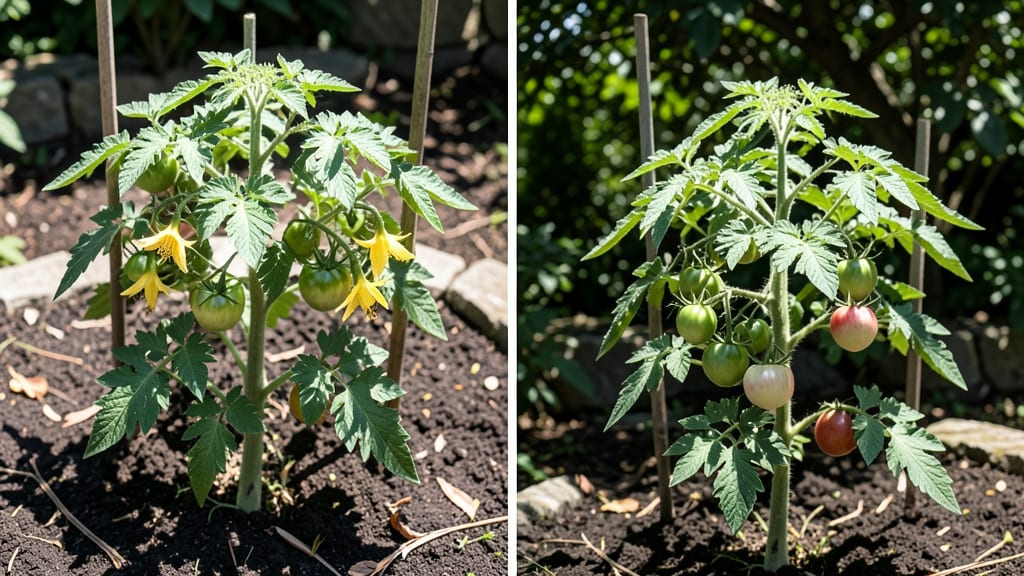
Tomato plants need full sun for the best fruit production, but some varieties handle partial shade better than others — and knowing the difference can save your harvest.
Picture this: you’ve spent weeks nurturing your 🍅 seedlings, only to watch them languish under a tree or in a shady corner, producing tiny, bland tomatoes (or worse, none at all).
The truth is, most tomatoes crave 6-8+ hours of direct sunlight, but a few tougher varieties can thrive with just a few hours less.
Whether you’re working with a raised bed, containers, or ground planting, the right light strategy makes all the difference. Some tomatoes—like Roma or Beefsteak—demand full sun, while others, such as Black Krim or Cherokee Purple, can stretch toward shade.
Below, I’ll break down how to match your plants to their perfect light spot and keep your yield from shrinking.
You’ll learn which varieties to plant where, how to boost sunlight in shady spots, and the one mistake that kills shade-tolerant tomatoes faster than drought. Let’s get your 🍅 plants growing like they mean it.
 Best Window Placement
Tomato varieties that thrive in sun vs. shade: light requirements explained
Choosing the right tomato variety for your garden depends heavily on how much sunlight your space receives. While most tomatoes crave full sun exposure (6-8+ hours daily), some varieties adapt surprisingly well to partial shade. Understanding these differences can transform your harvest from sparse to abundant—even in less-than-ideal lighting.
I’ve grown tomatoes in everything from bright southern exposures to dappled shade under fruit trees, and the results vary dramatically.
For example, my Roma tomatoes thrive in full sun, producing heavy yields of plump, meaty fruit, while my Black Krim plants in partial shade still deliver flavorful harvests—just with smaller fruit. The key lies in matching the plant’s needs to your garden’s reality.
| Variety | Sunlight Needs | Fruit Size | Best For |
|---|---|---|---|
| Roma | Full sun (8+ hours) | Medium (1-2 oz) | Sauces, canning |
| Beefsteak | Full sun (6-8 hours) | Large (12+ oz) | Slicing, sandwiches |
| Black Krim | Partial shade (4-6 hours) | Medium (6-8 oz) | Salads, roasting |
| Cherokee Purple | td style="padding: 10px; border: 1px solid #5A7D5A;">Partial shade (4-6 hours)Large (10+ oz) | Heirloom dishes | |
| Sungold | Full sun (6-8 hours) | Small (1 oz) | Snacking, salads |
| Stupice | Partial shade (4-6 hours) | Small (2 oz) | Container gardens |
Sun-loving varieties like Roma and Beefsteak demand 6-8+ hours of direct sunlight to produce their signature large, flavorful fruits. These tomatoes rely on intense light for photosynthesis, which fuels their rapid growth and high yields.
In my experience, even mild shade reductions (like afternoon shade) can lead to smaller fruit and lower sugar content.
On the other hand, shade-tolerant varieties like Black Krim and Cherokee Purple thrive with just 4-6 hours of sunlight. These tomatoes prioritize flavor over size, developing deep, complex tastes even when grown in filtered light.
I’ve successfully grown them under patio umbrellas or near north-facing walls, where direct sun is limited but indirect light abounds.
For container gardening, Stupice tomatoes are my go-to shade-tolerant pick. Their compact size and ability to handle partial shade make them perfect for balconies or shaded patios. Just ensure your containers have well-draining soil and adequate airflow—two critical factors for shade-grown tomatoes.
One common misconception is that all tomatoes need full sun. While it’s true that most varieties perform best with maximum light, shade-tolerant types prove this isn’t always the case. The trick is to choose the right variety for your space.
For example, my Sungold cherry tomatoes in full sun produce prolific yields, but the same variety in partial shade might struggle to set fruit.
If you’re working with limited sunlight, consider these strategies: Use reflective surfaces (like white walls or mirrors) to bounce extra light onto your plants, or opt for dwarf or bush varieties that require less energy to produce fruit.
I’ve also had success with vertical trellising, which allows plants to stretch toward available light while saving space.
Remember, even shade-tolerant tomatoes benefit from morning sun. The intensity of sunlight in the morning hours provides the energy needed for photosynthesis, while afternoon shade helps prevent sunburn
Even shade-loving tomato varieties need smart strategies to thrive with limited sunlight. If your garden only gets 4-6 hours of direct light, don't give up—these practical adjustments can boost your harvest. The key lies in optimizing light exposure, container placement, and companion planting to trick your tomatoes into thinking they're in full sun. First, choose the right containers—light-colored pots reflect extra sunlight, while black containers absorb heat. Position containers on reflective surfaces like white gravel or aluminum foil-covered trays. Even rotating containers every few days ensures all sides get equal exposure. For ground-planted tomatoes, prune lower leaves to reduce shade from the plant itself and improve air circulation. Don't overlook companion planting—some plants act like natural sunlight amplifiers. For example, basil not only deters pests but also shades soil while allowing light to reach tomato leaves. Another trick? Plant fast-growing radishes nearby—they loosen soil and improve root access to nutrients, helping tomatoes perform better in low light. Monitor your tomatoes' light needs daily—cloudy days can drastically reduce exposure. If you notice yellowing leaves or stunted growth, it's time to act. Move containers to sunnier spots temporarily or supplement with grow lights for 4-6 hours. LED grow lights are energy-efficient and mimic sunlight perfectly, making them ideal for indoor tomato gardens or shaded balconies. Finally, adjust your watering routine—shade-grown tomatoes need consistent moisture to compensate for lower light. Water deeply in the morning only to prevent fungal diseases like blight, which thrive in damp, shaded conditions. Mulch with straw or grass clippings to retain soil moisture and regulate temperature, giving your tomatoes the best chance to thrive. With these light-boosting techniques, even partial-shade tomatoes can produce high-quality fruit. The secret? Work with nature—not against it. 🌱How to maximize tomato yield in low-light conditions: tips for shade-grown plants