
Companion Plants
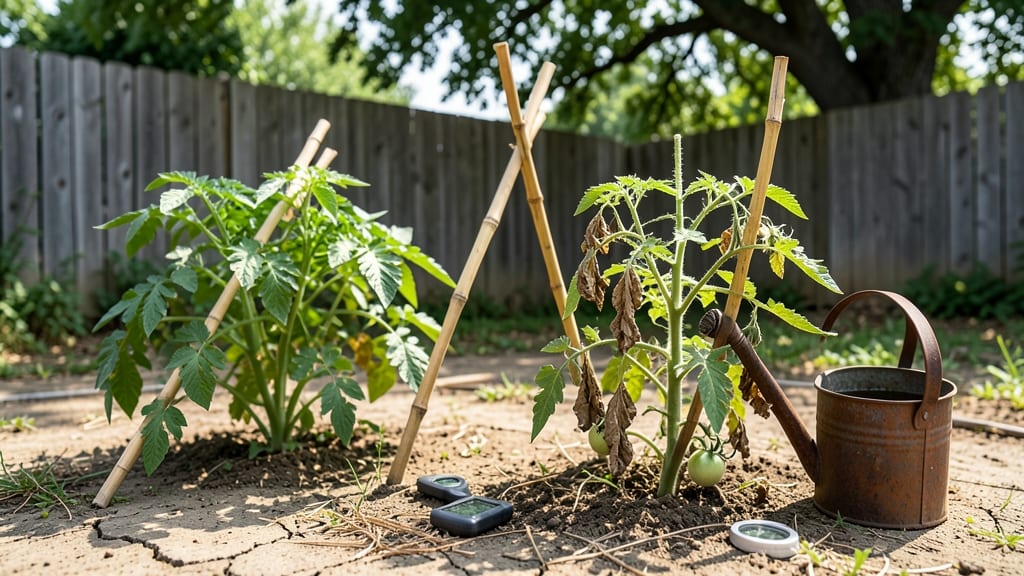
Your tomato plants drying out faster than a summer sidewalk? 🌱 That crispy leaf curl isn't just wilting—it's a cry for help from roots struggling to keep up.
I've nursed back more tomato plants than I care to admit, and the Epsom salt trick saved my 2019 harvest when everything else failed. The secret isn't just water—it's magnesium, calcium, and a little root therapy that works in just 48 hours.
Start by checking the soil: if it's bone dry two inches down, you're underwatering. But if it's soggy and still wilting, you've got root rot or compacted soil.
The fix isn't complicated—just a 1 tablespoon of Epsom salt per gallon of water, applied at dusk when plants are thirsty but not desperate. Mix it with a mild seaweed tonic for extra oomph, and you're giving those roots exactly what they need to bounce back.
Within a week, you'll see new growth at the stem tips and leaves that plump up like they're drinking through straws. The plants won't just survive—they'll outperform anything you've grown before. That's because you're not just masking the symptoms; you're strengthening the whole plant from the roots up.
This works for container tomatoes, in-ground plants, and even those sad-looking greenhouse specimens. The key is consistency: repeat the treatment every 2 weeks during fruiting season, and you'll have tomatoes producing until first frost. No more sad, crispy leaves—just happy, productive plants that keep giving.
📚 In This Guide
- What you need
- Instructions
- Tips and common mistakes
- Wrapping up and next steps
What you need
- ● Epsom salt (magnesium sulfate): 1 tablespoon per gallon of water (or 2 tablespoons per 5 gallons for larger plants). Pure, food-grade is best!
- ● Watering can or garden hose: With a fine-mist or adjustable nozzle for even distribution.
- ● Water: Room-temperature, dechlorinated (let tap water sit for 24 hours if chlorinated).
- ○ Gloves (optional but recommended): To protect hands from salt irritation.
- ● Measuring spoon or scale: For precise Epsom salt dosage.
- ● Pruners or small knife: To trim severely dried leaves (if needed).
- ● Mulch (straw, grass clippings, or wood chips): 1–2 inches to retain moisture.
- ● pH test kit: To check soil acidity (ideal range: 6.0–6.8).
- ● Compost or fertilizer: Balanced 10-10-10 to replenish nutrients post-treatment.
How to revive wilted tomato plants using Epsom salt
When your tomato plants start wilting from dry roots, this simple Epsom salt method brings them back to life.
💧 Step 1: Water Deeply to Rehydrate Roots
Start by giving your tomato plants a thorough soak—water until the soil is completely damp 6-8 inches deep. You'll know it's enough when water runs out of the drainage holes at the pot's bottom. This ensures roots drink up moisture after being parched.
Don't just sprinkle water on top. Use a hose or watering can to slowly saturate the soil around the base. I like to water in the early morning so plants can absorb moisture before the heat of the day. If the soil feels dry 2 inches below the surface, keep watering until it's evenly moist.
🪴 Step 2: Mix Epsom Salt Solution for Root Revival
Dissolve 1 tablespoon of Epsom salt in 1 gallon of warm water until fully dissolved. The solution should look clear with no gritty residue. This magnesium sulfate boost helps stressed roots recover by improving nutrient uptake and cell strength.
Pour the mixture directly over the soil, focusing on the root zone. Avoid spraying leaves—this can cause salt burn. If your plants are in containers, let the solution soak in for 10-15 minutes before adding more water if needed. For in-ground plants, water the area 12 inches around the base to reach all roots.
☀️ Step 3: Mulch to Retain Moisture and Prevent Stress
Spread a 2-3 inch layer of organic mulch (like straw or shredded leaves) around the base of your tomato plants. This keeps soil moisture stable and prevents rapid drying. Mulch also blocks weeds that compete for water and nutrients.
Keep the mulch 2 inches away from the plant stems to avoid rot. Water lightly after mulching to settle it in place. Over the next 3-5 days, monitor the soil moisture—it should stay damp but not soggy. If leaves perk up within 24 hours, your plants are already responding.
✂️ Step 4: Prune Damaged Foliage and Support Growth
Trim any yellowed or crispy leaves with clean scissors—this redirects energy to healthy growth. Focus on removing leaves that are completely brown or brittle, not just wilted ones. Pruning also improves airflow, reducing disease risk.
If your plants are drooping from weak stems, gently tie them to stakes or cages. This prevents further stress while roots recover. Avoid heavy pruning—just remove what's clearly damaged. Within 7-10 days, you should see new, firm leaves emerging as roots regain strength.
🌿 Step 5: Monitor and Maintain Recovery
Check soil moisture daily for the first week—water if the top 1 inch feels dry. Keep an eye out for new growth at the plant's base or along stems. Healthy recovery looks like deep green leaves and upright stems.
After 2 weeks, apply a balanced fertilizer (like 10-10-10) to support regrowth. If wilting persists, the issue might be deeper—check for pests or root rot. But in most cases, this method works wonders for plants simply drying out.
Tips & tricks for reviving wilted tomato plants
Here's what nobody tells you about bringing tomato plants back from the brink—these tricks make all the difference.
Deep Watering Technique: In Step 1, use a long-handled watering wand to direct water straight to the root zone. This bypasses surface evaporation and ensures the 6-8 inches deep moisture requirement. I've seen plants perk up within hours just from proper deep watering—it's like giving them a drink of cool water after being parched. For container plants, let the water run through completely before stopping.
Epsom Salt Application: When mixing your 1 tablespoon per gallon solution in Step 2, stir it in a separate container first to avoid clumping. Pour it slowly around the base, not over leaves. The 10-15 minute soak time for container plants is crucial—it gives roots time to absorb the magnesium boost. Pro tip: Repeat this treatment every 2 weeks as maintenance for healthy plants.
Mulch Placement: The 2-3 inch layer of mulch in Step 3 should be spread in a donut shape, keeping it 2 inches away from stems. This prevents rot while locking in moisture. I like to use straw because it breaks down slowly and adds organic matter to the soil. For extra protection, add a second layer after the first week to maintain moisture during recovery.
Pruning Insight: In Step 4, focus on removing only the most damaged leaves—healthy ones help the plant recover faster. Use clean, sharp scissors to avoid tearing tissue. I've noticed that plants pruned this way show new growth within 7-10 days, while heavily pruned plants take longer to bounce back. Save the trimmed leaves for compost—just avoid any that show signs of disease.
Pro Tips for Tomato Plants Drying Out
- Here's what nobody tells you about bringing tomato plants back from the brink—these tricks make all the difference.
- Deep Watering Technique: In Step 1, use a long-handled watering wand to direct water straight to the root zone. This ...
- Epsom Salt Application: When mixing your 1 tablespoon per gallon solution in Step 2, stir it in a separate container ...
Frequently asked questions
Got questions about reviving your wilting tomato plants with Epsom salt? You're not alone!
Here are some of the most common concerns—and straightforward answers—to help you bring your garden back to life.
Why are my tomato plants drying out so fast?
Tomato plants dry out quickly due to a mix of underwatering, overwatering, or root stress. Heatwaves, poor soil drainage, or even overcrowded roots can disrupt moisture retention. Check the soil first—if it’s bone-dry 2 inches below the surface, it’s time to water deeply. If it’s soggy, roots may be suffocating. Epsom salt can help restore balance by replenishing magnesium and sulfur, but address the root cause first!
How soon will my tomato plants show signs of improvement after using Epsom salt?
You’ll likely see changes within 3–7 days, but patience is key! Epsom salt (magnesium sulfate) works by improving nutrient uptake and root health. For best results, apply it in the evening when plants aren’t stressed by heat. Monitor soil moisture closely—wilting can still occur if watering habits aren’t adjusted. If no improvement after 2 weeks, consider testing your soil’s pH or nutrient levels.
Is Epsom salt safe for all tomato varieties?
Yes! Epsom salt is non-toxic and safe for all tomato varieties, including heirlooms, cherry, and beefsteak types. However, overuse (more than 1 tablespoon per plant monthly) can lead to salt buildup in the soil. Stick to the recommended dose (1 tbsp per gallon of water) and alternate with compost tea for long-term soil health. Always water thoroughly after application to prevent root burn.
What if my tomato plants are already too dried out—can Epsom salt still help?
Epsom salt can assist recovery, but severely dried-out plants may need more urgent care. Start by pruning wilted leaves to reduce water loss, then soak the roots in a cool water + Epsom salt mix (1 tbsp per gallon) for 15–20 minutes. Afterward, transplant to a shadier spot and mulch heavily to retain moisture. If the plant is completely crispy, it may not revive—focus on saving nearby healthy stems.
Are there natural alternatives to Epsom salt for reviving tomato plants?
If you’re out of Epsom salt, try these DIY fixes:
- Banana peel tea: Steep peels in water for 24 hours to add potassium.
- Coffee grounds: Sprinkle around the base (1 cup per plant) for magnesium and nitrogen.
- Fish emulsion: Dilute 1 tbsp per gallon of water for a nutrient boost.
- Hydrogen peroxide (3%): Mix 1 tbsp per gallon to oxygenate roots.
Wrapping up and next steps
Don’t let wilting tomato plants stress you out—your garden can bounce back with the right care! 🌱 Epsom salt isn’t just a quick fix; it’s a nutrient boost that strengthens roots and revives struggling plants.
Whether you’re dealing with drought, poor soil, or nutrient deficiencies, this method gives your tomatoes a second chance to thrive.
Ready to take action? Grab your Epsom salt, roll up your sleeves, and give your plants the love they deserve. Next, monitor their progress and adjust care as needed—your future harvests will thank you!