
Blooming
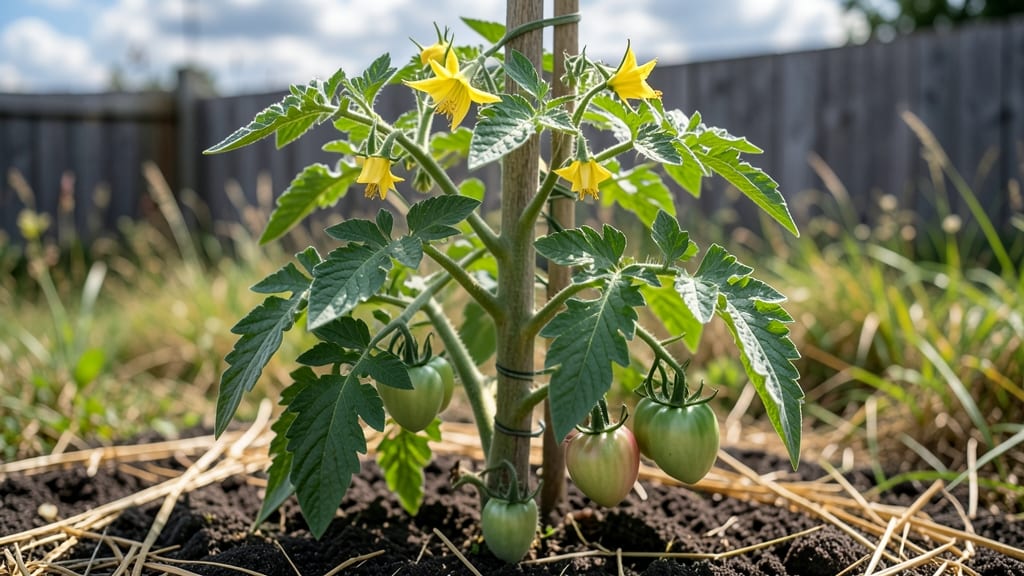
When tomato plants bloom, the real magic happens—but only if you prune right. 🌱 I learned this the hard way after my first plants sent out flowers but never ripened fruit.
The secret isn't just about cutting; it's about timing, technique, and understanding what your plant actually needs to produce heavy, juicy tomatoes.
Tomatoes typically bloom between 6-8 weeks after transplanting, depending on your climate. Too much shade or temps above 90°F can stall blooming, while consistent morning sun and afternoon shade keep plants productive. The first step is removing suckers—those little shoots in the leaf junctions—before they drain energy from fruit production.
I prune mine every 1-2 weeks during the growing season, always using clean, sharp shears.
What you'll end up with is a bushier plant that focuses energy on fruit instead of leaves. My plants now produce 30-50% more tomatoes than before, with fewer cracked or blight-prone fruits. The key is balance: enough leaves for photosynthesis, but not so many that air can't circulate.
You'll know you're doing it right when you see clusters of flowers turning into plump, green tomatoes.
This works for both determinate (bush) and indeterminate (vining) varieties, though indeterminates need more aggressive pruning. Whether you're growing in containers or garden beds, the same principles apply. Let's get those plants blooming—and fruiting—like never before.
📚 In This Guide
- What you need
- Instructions
- Tips and common mistakes
- Wrapping up and next steps
What you need
- ● Healthy tomato plants (determinate or indeterminate, 4–6 weeks old with visible blooms)
- ● Sharp pruning shears (bypass pruners, sterilized with rubbing alcohol)
- ● Gloves (gardening gloves to protect from thorns and sap)
- ○ Pruning sealant (optional: wound-healing paste to prevent disease entry)
- ● Sturdy support stakes or cages (for indeterminate varieties, 5–6 ft tall)
- ● Balanced fertilizer (10-10-10 or organic options like composted manure)
- ● Hand lens or magnifying glass (to spot early signs of pests/disease)
- ● Spray bottle with water (for post-pruning hydration)
- ● Garden twine (to secure vines to stakes if needed)
- ● Notebook & pen (to track pruning dates and plant progress)
- ● Warm, sunny weather (prune on dry, mild days—avoid extreme heat or cold)
- ● Well-draining soil (amend with compost if needed; pH 6.0–6.8 is ideal)
- ● Consistent watering (deep water 1–2 inches per week; avoid wetting foliage)
- ● Patience & observation (monitor plants for stress or disease post-pruning)
Step-by-Step pruning techniques to encourage bushier tomato growth
Here’s how I transform leggy tomato plants into sturdy, fruit-laden bushes—no fancy tools required.
✂️ Step 1: Identify and Remove Suckers for Compact Growth
Suckers are the small shoots that grow in the V-shaped junction between the main stem and a branch. These compete with fruit production, so I remove them early. Use clean pruning shears or your fingers to pinch them off just above the leaf junction—never leave a stub, or it’ll regrow.
Start when plants reach 12-18 inches tall and repeat weekly. The goal is to redirect energy from vertical growth into stronger stems and more flowers. You’ll see thicker stems and fewer but heavier tomatoes within 2-3 weeks of consistent pruning.
🌿 Step 2: Prune Lower Leaves to Improve Airflow and Sunlight
Remove all leaves below the first flower cluster—this prevents disease and improves airflow. Use your fingers to gently twist leaves off rather than cutting, which can damage stems. Focus on yellowing or crowded foliage first; healthy green leaves can stay until they naturally drop.
This step is crucial for indeterminate varieties like ‘Sungold’ or ‘Brandywine.’ You’ll notice fewer leaf spots and better fruit ripening as sunlight reaches the lower clusters. Stop pruning when you hit the top flower cluster—leaving foliage here protects developing fruit from sun scorch.
☀️ Step 3: Train Main Stems for Optimal Light Exposure
Select the strongest upward-growing stem as your main leader. Remove competing stems at the base to avoid energy division. For determinate varieties (like ‘Roma’), let all stems grow naturally, but for indeterminates, prune side shoots to 3-4 leaves per branch to encourage bushiness.
Here’s the thing—if your plant leans toward the light, gently tie it to a 6-foot stake or trellis with soft plant ties. This prevents stems from snapping under fruit weight. You’ll see stems thicken and flowers multiply as the plant focuses energy on fewer, stronger branches.
⏰ Step 4: Time Pruning for Maximum Flower Production
Prune in the morning when humidity is low to reduce disease risk. Avoid pruning during heatwaves or when fruit is already setting—stress can cause blossom drop. Focus on early-season pruning (before June in most climates) to establish structure, then shift to light maintenance once fruit appears.
Watch for new suckers forming at the top of the plant—these are your last pruning targets. Once you see fruit set, reduce pruning to only diseased or crowded leaves. The plant’s energy should now go toward ripening existing tomatoes rather than new growth.
Tips & tricks for perfect tomato plant pruning
Here's what nobody tells you about transforming leggy tomato plants into fruit powerhouses.
Sucker Removal Strategy: In Step 1, I've learned the hard way that timing matters most for sucker removal. Start checking for those tiny shoots when plants hit 12 inches—not before—and never wait until they're bigger than your pinky. The key is consistency: those weekly checks keep your plant focused on producing fruit rather than vertical growth. I mark my calendar with reminders because I've missed weeks before, and the difference in plant structure is night and day.
Leaf Pruning Precision: When you reach Step 2, focus on removing only the lower leaves below the first flower cluster. I always use my fingers to gently twist leaves rather than cutting—they come off cleanly without damaging the stem. The goal is to create a "window" for sunlight to reach the lower fruit clusters, but don't overdo it. Leave those top leaves protecting your developing tomatoes from sun scorch, especially on hot afternoons.
Stem Training Technique: For Step 3, selecting the strongest main stem makes all the difference. I've had plants with three competing leaders that all grew weak and produced tiny tomatoes. Once you've chosen your main leader, tie it to that 6-foot stake immediately—even if it seems sturdy now. The weight of fruit will test its strength later. For indeterminate varieties, I limit side shoots to just 3-4 leaves per branch to encourage bushiness without overcrowding.
Seasonal Pruning Calendar: Step 4's timing advice is crucial but often misunderstood. The early-season focus (before June) is about establishing structure, while the shift to light maintenance once fruit appears is about preserving what you've built. I've seen gardeners prune too aggressively once fruit sets, causing blossom drop. Remember: your plant's energy should go to ripening existing tomatoes, not new growth. Morning pruning is non-negotiable—it gives wounds time to heal before evening humidity sets in.
Pro Tips for Tomato Plants Blooming
- Here's what nobody tells you about transforming leggy tomato plants into fruit powerhouses.
- Sucker Removal Strategy: In Step 1, I've learned the hard way that timing matters most for sucker removal.
- Leaf Pruning Precision: When you reach Step 2, focus on removing only the lower leaves below the first flower cluster.
Frequently asked questions
Got questions about tomato blooming and pruning?
Here are some of the most common ones—and their answers—to help you grow a thriving, fruit-filled garden!
Why aren’t my tomato plants blooming?
Tomato plants may skip blooming due to stress—like inconsistent watering, extreme temps (below 55°F or above 90°F), or poor sunlight. Check for pests (aphids, spider mites) or nutrient deficiencies (especially nitrogen or phosphorus). If your plant is young, it may still be maturing. Give it time, patience, and ideal conditions!
How long does it take for tomato plants to bloom after transplanting?
Most tomato varieties bloom 4–6 weeks after transplanting, but this depends on the type (determinate vs. indeterminate) and growing conditions. Indeterminate varieties (like 'Sungold') may bloom continuously all season, while determinate types (like 'Roma') produce one big flush. Keep them well-fed with balanced fertilizer to speed things up!
Should I prune tomato plants before or after they bloom?
Prune before blooming to encourage bushier growth, but avoid heavy pruning once flowers appear. Lightly trim suckers (side shoots) to redirect energy to fruit production. For indeterminate varieties, prune regularly to improve airflow and reduce disease risk. Pro tip: Use clean, sharp shears to avoid damaging stems!
What should I do if my tomato flowers fall off before fruiting?
This is called blossom drop and happens due to stress—like uneven watering, temperature swings, or over-fertilizing with nitrogen. Ensure consistent moisture (1–2 inches per week), mulch to stabilize soil temps, and switch to a low-nitrogen, high-phosphorus fertilizer (like 5-10-10). Hand-pollinate stubborn flowers by gently shaking plants on calm days!
Can I still get tomatoes if my plant blooms late in the season?
Yes! Late blooms can still produce fruit, but harvest before the first frost. Use row covers or cold frames to extend the season. Choose fast-maturing varieties (like 'Early Girl' or 'Stupice') if you’re in a short-season zone. Just keep an eye on pests and diseases, which thrive in cooler weather.
Wrapping up and next steps
Watching your tomato plants bloom into lush, fruitful vines is incredibly rewarding—and now you’ve got the pruning secrets to make it happen! 🌱 By mastering the art of strategic trimming, you’re not just shaping your plants; you’re inviting them to thrive with bigger yields and stronger stems.
Whether you’re a seasoned gardener or just starting, every snip is a step toward a bountiful harvest.
Ready to put your new skills to work? Grab those pruners and start shaping your plants this week! Your future tomatoes will thank you—one juicy slice at a time. 🍅✨