
Shrubs
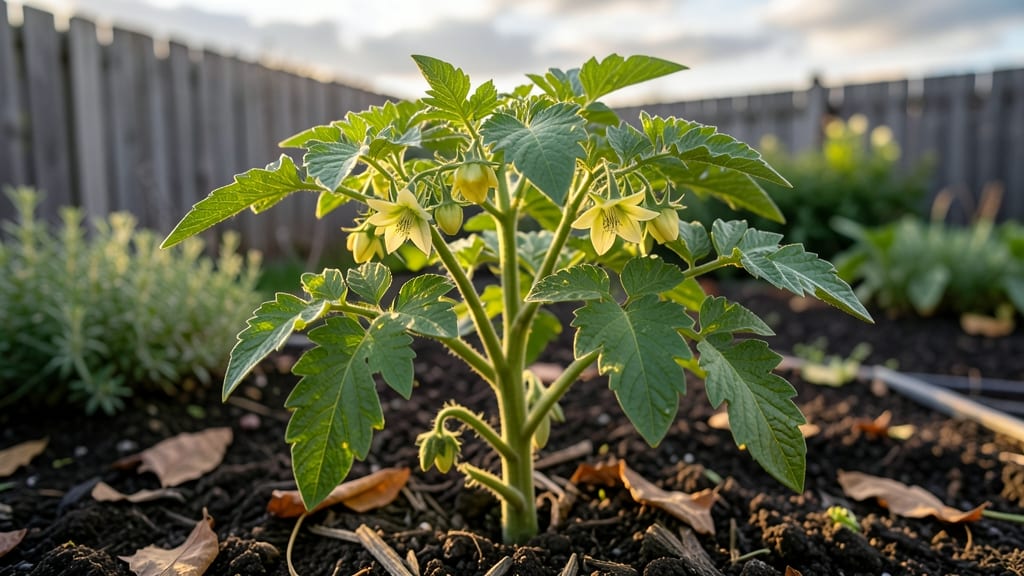
Tomatoes flowering early can turn your spring dreams into a summer of tiny fruit. 🌱 I’ve seen it happen every year—those first blooms arrive when the nights are still chilly, and before you know it, your plants are putting energy into flowers instead of strong stems.
The good news? This is fixable with just a few adjustments to light, heat, and pruning.
Early flowering usually happens when plants sense long days and warm soil too soon—like when we get an unseasonably warm spell in late winter. Your tomatoes might also be varieties that naturally bolt quickly, or they could be stressed from inconsistent watering or uneven light.
The key is to slow things down: remove those first flowers, give them shade if needed, and focus on building sturdy plants first.
With the right approach, you’ll see those early blooms pause while your plants grow stronger stems and bigger leaves. By the time summer heat arrives, your tomatoes will be ready to set fruit like crazy—think pound-sized beefsteaks instead of a handful of tiny cherries.
The secret is patience and a little strategic pruning to redirect energy where it matters most.
This works for both garden beds and containers, and the same tricks apply whether you’re growing heirlooms or hybrids. Let’s get those plants focused on what counts: big, juicy tomatoes when the time is right.
Triggers Behind Early Tomato Blooms
If your tomato plants are flowering early—sometimes even before the last frost has passed—you’re not alone. This phenomenon is often a response to environmental cues, genetic traits, or even cultural practices. Understanding these triggers can help you manage (not just tolerate) the situation, ensuring better fruit set and harvest.
Below are the most common reasons why tomatoes bolt to flower prematurely, along with the science behind them.
Tomatoes are sensitive to temperature fluctuations, and sudden warmth can trigger early flowering as a survival mechanism. Here’s how it works:
- Daytime heat spikes: When temperatures rise above 85°F (29°C), tomato plants perceive it as a signal to reproduce quickly before conditions become too harsh. This is especially true for determinate varieties, which prioritize flowering over leaf growth in heat.
- Nighttime warmth: If nighttime temps stay above 65°F (18°C) for extended periods, it disrupts the plant’s natural dormancy cycle, accelerating blooming. 💡 Pro Tip: Use shade cloth or row covers during peak afternoon heat to delay flowering if frost is still a risk.
- Cold snaps after warmth: A sudden drop in temperature after a heatwave can shock the plant into flowering as a stress response. This is common in indeterminate varieties, which may produce flowers along the stem in clusters.
Tomatoes are photoperiod-sensitive, meaning their flowering is influenced by the length of daylight they receive. While they’re not strict short-day plants, certain conditions can push them into early blooming:
- Longer daylight hours: As days lengthen in spring, tomato plants detect increased light exposure and may respond by flowering sooner. This is more pronounced in determinate varieties, which are bred to mature quickly.
- Artificial lighting: Grow lights or indoor setups with 14+ hours of light can trick tomatoes into thinking it’s summer, prompting early flowers. If you’re growing seedlings indoors, 💡 Pro Tip: Limit light to 12 hours/day to delay flowering until transplanting.
- Sudden sun exposure: Moving seedlings from a shaded or indoor environment to full sun too quickly can act as a stressor, accelerating blooming.
Fluctuations in water and nutrients can send mixed signals to tomato plants, often leading to premature flowering. Here’s the breakdown:
- Overwatering or drought stress: Both extremes disrupt the plant’s hormonal balance. Overwatering can cause ethylene gas buildup, a natural plant hormone that triggers flowering. Meanwhile, drought stress forces the plant to conserve energy by prioritizing reproduction over leaf growth.
- Nitrogen deficiency: If your soil lacks nitrogen (N), tomatoes may shift resources from leaf production to flowering as a survival tactic. This is common in poorly amended soil or when using high-phosphorus fertilizers too early.
- Phosphorus overload: Excess phosphorus (P) in the soil—often from bone meal or over-fertilizing—can stimulate early flowering at the expense of robust vines. 💡 Pro Tip: Test your soil and use a balanced 10-10-10 fertilizer instead of phosphorus-heavy amendments until plants are established.
Not all tomatoes are created equal—and some are genetically programmed to flower early. Here’s what you need to know:
- Early-maturing varieties: Some tomatoes, like ‘Early Girl’ or ‘Stupice’, are bred for fast flowering and fruiting (as few as 50 days from transplant). If you’re growing these, early blooms are expected—and often desirable!
- Determinate vs. indeterminate:
- Determinate (bush) tomatoes focus energy on one flush of flowers early in the season, then shift to fruit production.
- Indeterminate (vining) tomatoes produce flowers continuously, but heat or stress can cause them to bolt (flower excessively) before reaching full size.
- Seedling age: Transplanting overly mature seedlings (with flowers or fruit already forming) can lead to early blooming. Seedlings should have 4-6 true leaves and no flowers before going outdoors.
By identifying which of these triggers apply to your garden, you can adjust care practices to either harness early flowers (if timing is ideal) or delay them (if frost is still a threat). The key is consistency—tomatoes thrive on predictable conditions, so small tweaks can make a big difference!
Fixing premature tomato blooms
Now that you understand why your tomatoes are flowering early, let’s tackle the problem with actionable solutions tailored to the root cause. Whether it’s heat stress, nutrient imbalances, or environmental factors, these fixes will help redirect your plant’s energy toward stronger fruit development.
If your tomatoes are bolting due to scorching heat, cooling them down and adjusting care can save your harvest.
🔥 Step 1: Provide Shade Cloth
- Install 30-50% shade cloth over your plants during peak afternoon sun (12 PM–4 PM).
- Secure it loosely to allow airflow—tomatoes need ventilation too!
- Pro Tip: 💡 Use stakes or a hoop system to keep the cloth from touching leaves, which can cause rot.
🍳 Step 2: Mulch Like a Pro
- Spread 2–3 inches of organic mulch (straw, wood chips, or grass clippings) around the base of plants.
- Mulch retains moisture, keeps roots cooler, and blocks excess heat from the soil.
- Pro Tip: 🌡️ Avoid dark mulches in hot climates—they absorb heat. Stick to lighter colors like straw.
👨🍳 Step 3: Water Deeply & Strategically
- Water early morning (before 9 AM) to let foliage dry before evening.
- Use drip irrigation or soaker hoses to deliver water directly to roots, avoiding wet leaves (which attract disease).
- Pro Tip: ✨ Check soil moisture with your finger—if the top 1–2 inches are dry, it’s time to water.
⏰ Step 4: Adjust Harvest Timing
- If flowers appear too early, prune off the first blooms (if plants are young or stressed).
- Focus on vegetative growth first—let the plant build stronger stems and roots before encouraging fruit.
Early flowering can signal a plant pushing too hard for fruit due to excess nitrogen or deficiencies in phosphorus/potassium.
🔪 Step 1: Test Your Soil
- Grab a DIY soil test kit (or send a sample to a local extension office).
- Look for low phosphorus (P) or potassium (K)—these are critical for fruit development.
- Pro Tip: 📊 If nitrogen (N) is too high, switch to a balanced 5-10-10 or 10-10-10 fertilizer to shift energy toward roots and flowers.
🥘 Step 2: Feed for Fruit, Not Leaves
- Stop heavy nitrogen feeds (like blood meal or fish emulsion) if your plant is lush but not fruiting.
- Instead, apply a phosphorus-rich fertilizer (like bone meal or a 5-10-5 formula) to encourage blooming.
- Pro Tip: 🎯 For container tomatoes, use slow-release pellets mixed into the soil at planting for steady nutrients.
💪 Step 3: Boost Potassium for Stress Resistance
- Add wood ash, banana peels (composted), or a potassium sulfate to the soil.
- Potassium helps tomatoes handle heat and disease, reducing stress-induced early flowering.
- Pro Tip: 🍎 Compost banana peels in a bucket of water for a week, then use the "tea" as a foliar spray.
Day length, humidity, and even transplant shock can trigger early blooming. Adjust these factors to reset your plant’s cycle.
🌅 Step 1: Extend the Growing Season
- If planted too early, cover seedlings with a cold frame or row cover to delay maturity.
- Use black plastic mulch to warm the soil faster in spring, but remove it if nights stay above 70°F.
- Pro Tip: 🔥 For indoor starts, keep them under grow lights (14–16 hours/day) until hardened off.
💧 Step 2: Optimize Humidity & Airflow
- Early blooms can signal transplant shock—ensure roots are well-established before flowering.
- Use a fan on low near plants to improve airflow and prevent heat buildup.
- Pro Tip: 🌡️ Mist leaves lightly in dry climates, but avoid wetting flowers to prevent cracking.
🌱 Step 3: Choose the Right Variety for Your Climate
- Determinate tomatoes (like ‘Roma’ or ‘Celebrity’) are better for short seasons—they fruit all at once.
- Indeterminate varieties (like ‘Sungold’ or ‘Beefsteak’) need a longer season—save them for warmer areas.
- Pro Tip: ✨ If you live in a hot zone, opt for heat-tolerant varieties like ‘Solar Fire’ or ‘Heatmaster.’
🚀 Prevention Tips for Next Season
- Start seeds indoors 6–8 weeks before the last frost, then harden off gradually.
- Use row covers in early spring to protect young plants from temperature swings.
- Monitor weather forecasts—if a heatwave is coming, prune suckers aggressively to redirect energy.
- Rotate crops to avoid soil fatigue, which can lead to nutrient imbalances.
With these fixes, your tomatoes will shift from "early bloomers" to bountiful producers—just in time for your next garden-fresh sauce or salad! 🍅🔥
Frequently asked questions
Why do my tomato plants flower so early, even before the last frost?
Early flowering is often triggered by warm soil temperatures or long daylight hours. Tomatoes sense spring-like conditions and respond by blooming, even if nighttime temps are still chilly. This is especially common with determinate varieties or when seedlings are exposed to sudden heat spikes.
Should I remove the first flowers if my tomatoes are flowering early?
Yes! Pruning off early flowers helps redirect energy to stem and root growth instead of fruit production. Focus on building a sturdy plant first—once your tomatoes are 12+ inches tall with strong leaves, they’ll be better prepared to support heavy fruit later in the season.
Can I still get a good harvest if my tomatoes flower early?
but you may need to adjust care. If frost is still a risk, protect plants with row covers. For heat-induced early blooms, provide afternoon shade and focus on consistent watering. Early flowers often produce smaller fruit, but with proper support, later blooms will yield larger, juicier tomatoes.
What’s the difference between early flowering in determinate vs. indeterminate tomatoes?
Determinate varieties produce one main flush of flowers early and focus energy on fruit production, while indeterminate types flower continuously along the stem. Early blooms in indeterminates often mean the plant is stressed—check for heat, water issues, or nutrient imbalances and adjust care accordingly.
How can I prevent early flowering next year?
Start by choosing late-season varieties for your climate and avoid transplanting seedlings with flowers. Use shade cloth in hot springs, maintain consistent moisture, and fertilize with a balanced 10-10-10 formula. For indoor starts, limit grow lights to 12 hours/day until hardening off.