
Light Requirements
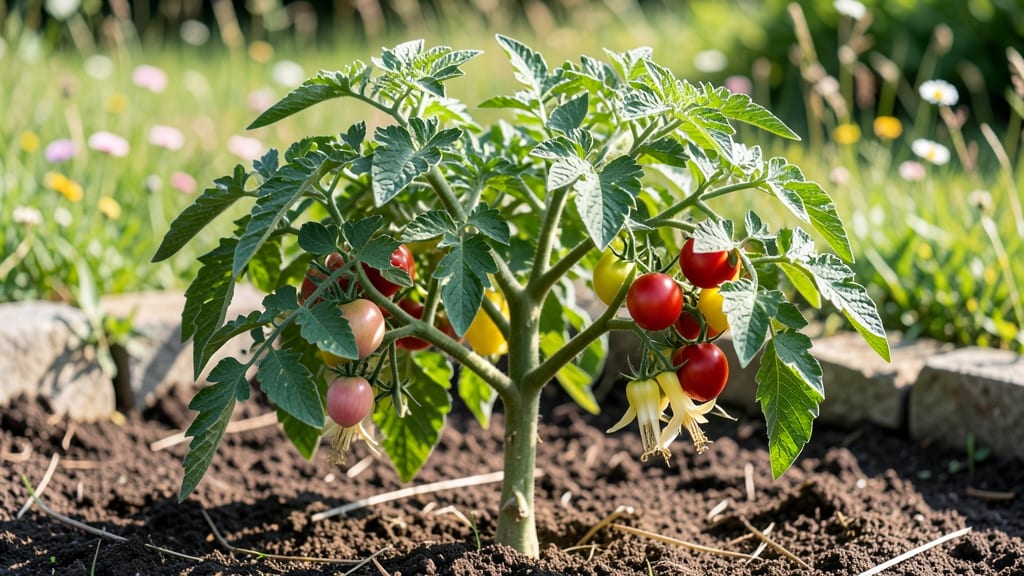
Understanding the tomato plant sun requirements is the key to turning your vines into fruit-loaded powerhouses 🍅—because even the most well-tended plants will struggle without the right balance of light. Struggling with blighted plants or poor yields?
The secret isn’t just water or soil—it’s sunlight exposure. Without the right balance, your tomatoes will never reach their full potential, no matter how much you care for them.
Most gardeners assume "full sun" means dumping plants in the hottest spot possible, but too much intensity can scorch leaves and stunt growth. The trick is finding that sweet spot: enough light to fuel photosynthesis, but not so harsh it stresses the plant.
In Zone 6a, where spring and summer days stretch long, this balance shifts from morning sun to afternoon shade as temperatures climb.
Here’s what you’ll discover: how to measure sunlight in your garden (yes, there’s a trick to it), the signs your tomatoes are getting too little or too much light, and simple adjustments—like pruning nearby plants or using shade cloth—that can transform a struggling patch into a productive powerhouse.
Ready to maximize your harvest? Let’s break down the exact sunlight needs for your tomato variety, plus proven tips to keep your plants thriving from April through October.

How many hours of sun do tomato plants need daily?
Tomatoes are sun-worshippers, and their growth hinges on 6-8 hours of direct sunlight daily. Without enough light, your plants will struggle to produce vigorous vines, abundant flowers, and flavorful fruit.
But here’s the catch: not all tomatoes have the same needs. Indeterminate varieties (like 'Sungold' or 'Brandywine') demand more light to keep producing fruit all season, while determinate types (like 'Roma' or 'Celebrity') can tolerate slightly less—though they’ll still reward you best with full sun.
Think of sunlight as the fuel for photosynthesis, the process that turns water and nutrients into energy for your plants. When tomatoes don’t get enough light, they’ll show you in no uncertain terms: yellowing leaves, weak stems, and tiny, bland fruit.
Even worse, insufficient light invites pests and diseases by stressing the plant’s defenses. But too much sun can also backfire—scorched leaves or heat stress during peak summer can halt growth just as effectively.
To measure sunlight accurately in your garden, use a sunlight tracker or observe the area for a week. Mark the spots where shadows fall at different times of day. A south-facing garden in the Northern Hemisphere (or north-facing in the Southern Hemisphere) will get the most consistent light.
If your space gets less than 6 hours of direct sun, you’ll need to get creative—like using reflective surfaces or choosing shade-tolerant varieties.
Now, let’s break down the sunlight needs by tomato type so you can match your garden setup to your plants’ demands. The right balance will mean the difference between a bountiful harvest and a sad, sun-starved struggle.
If your garden only gets 4-6 hours of sun, don’t despair—you can still grow tomatoes! Start with determinate varieties like 'Celebrity' or 'Stupice,' which are more forgiving. For indeterminate types, consider using a reflective mulch (like white plastic or aluminum foil) to bounce extra light onto the plants.
Another trick? Place your container tomatoes on a rolling dolly so you can move them to follow the sun throughout the day.
Watch for early warning signs of insufficient light: leaves turning yellow or purple, stems stretching unnaturally (a sign of etiolation), or fruit that stays small and green. These are your plants’ way of saying, “I need more light!” Acting quickly can save your harvest.
On the flip side, scorched leaves or wilting in peak sun means you’re dealing with heat stress, not just too much light—often a sign of poor watering or high temperatures.
For container growers, sunlight needs are even more critical because pots can overheat and dry out faster. Place your containers in the sunniest spot possible, and avoid placing them in deep shade from trees or buildings.
If your balcony or patio gets afternoon shade, opt for early-maturing varieties
Optimizing sunlight for tomato plants: best practices and solutions
Tomatoes are sun-worshippers, and giving them the right amount of direct sunlight can mean the difference between a bountiful harvest and struggling plants. Even if your garden gets plenty of light, microclimates—like shade from a fence or tree—can create hotspots where tomatoes underperform.
The key is strategic placement and adjustments to maximize those golden hours.
If your tomatoes are growing leggy, producing few fruits, or developing pale leaves, they’re likely crying out for more sun. But too much intense afternoon heat can also cause sunburn or stress.
Balancing exposure is an art, and I’ll show you how to get it right with simple, actionable steps tailored to your garden’s unique conditions.
- 1 Prune nearby plants to eliminate shade. Trim overgrown bushes or tall weeds within 3 feet of your tomatoes to ensure unobstructed sunlight from 6 AM to 8 PM.
- 2 Use reflective surfaces like white gravel or light-colored mulch around your plants. This bounces 10-15% more light onto leaves, boosting photosynthesis without extra effort.
- 3 Adjust garden layout seasonally. Move containers or rotate raised beds every few weeks to follow the sun’s arc, especially if your garden has partial shade from buildings or trees.
- 4 Install shade cloth for afternoon protection in hot climates. Use 30-50% shade cloth from 12 PM to 4 PM to prevent sun scald while still allowing plenty of light.
- 5 Monitor sunlight hours with a sunlight tracker or app. Aim for 6-8 hours of direct light—if your garden only gets 4, consider vertical trellises to maximize exposure for indeterminate varieties.
For container-grown tomatoes, choose the sunniest spot on your patio or balcony—even a south-facing deck can work if it gets full morning sun. If your balcony faces north, supplement with a grow light for 2-3 hours daily during cloudy periods.
I’ve seen cherry tomatoes thrive in containers with just 5 hours of sun if given extra light, but larger varieties like Beefsteak will struggle without at least 7 hours.
Seasonal adjustments are crucial too. In spring and fall, when days are shorter, prioritize east-west placement to capture morning and afternoon sun. During summer solstice, watch for heat stress—tomatoes wilt easily when temps exceed 90°F.
Provide drip irrigation and mulch to keep roots cool while still giving them the light they crave.
If your garden has permanent shade from a tree or building, try dwarf tomato varieties like ‘Tiny Tim’ or ‘Patio Princess’, which tolerate 4-6 hours of sun. For deeper shade, consider indoor growing with LED grow lights (12-16 hours daily) to mimic sunlight.
The goal is to match the plant to the light, not force a sun-lover into the shadows.
Remember, consistency is key. Tomatoes need predictable sunlight—if they’re moved frequently or shaded intermittently, they’ll produce small, misshapen fruits or even abort flowers. With these tweaks, you’ll turn your garden into a sun-powered tomato factory in no time! 🌱☀️