
Planting
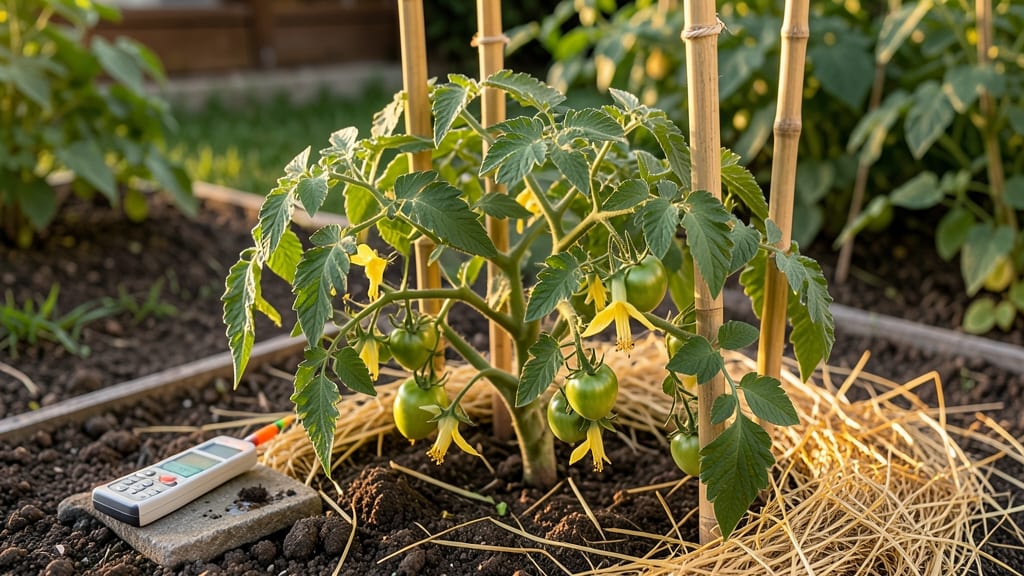
The best soil type for tomato plants is well-draining loam soil rich in organic matter, which balances moisture retention and aeration. Sandy soil drains too quickly, while clay soil holds excess water, both requiring amendments like compost or perlite for optimal growth.
Loam soil's perfect mix of sand, silt, and clay creates an ideal environment for tomato roots to breathe and access nutrients. 🌱 Sandy soil may feel like a quick fix for drainage, but it lacks the moisture retention tomatoes need during dry spells, while clay soil can suffocate roots by trapping too much water.
I've found that adding aged compost or coco coir to heavy clay transforms it into a tomato-friendly medium within a season.
For sandy soils, a 2-3 inch layer of mulch helps retain moisture, while clay soils benefit from gypsum to break up compaction. Testing your soil's pH (aim for 6.0–6.8) is just as important—tomatoes struggle to absorb nutrients in overly acidic or alkaline conditions.
I always recommend a DIY test kit before planting to avoid costly mistakes.
💡 In This Article
- How Soil Composition Affects Tomato Root Health
- Amending Sandy, Clay, or Poor Garden Soil for Tomatoes
How soil composition affects tomato root health
Tomato roots need three critical things: oxygen, water, and nutrients—and soil texture directly controls how well they get these. Loam soil, the gold standard for tomatoes, typically contains 40% sand, 40% silt, and 20% clay.
This mix creates tiny air pockets that allow roots to breathe while holding enough moisture for steady growth. When roots suffocate from poor aeration (common in clay-heavy soils), they can't absorb nutrients efficiently, leading to stunted plants or blossom-end rot.
The science gets even more interesting when you consider how water moves through soil. Sandy soils drain so quickly that roots struggle to maintain hydration during hot afternoons, while clay soils trap water like a sponge, cutting off oxygen. Tomatoes need consistent moisture—neither extreme works.
I've seen firsthand how 1 inch of water per week (rain or irrigation) keeps roots happy in loam, but sandy soils may need daily watering in summer, while clay soils risk root rot if overwatered. 🌱
Don't overlook pH—tomatoes thrive in slightly acidic soil between 6.0 and 6.8. Below 5.5 or above 7.5, essential nutrients like phosphorus and calcium become locked away.
I tested my garden soil last year and found it at 5.2—adding crushed limestone raised it to 6.5 in just 3 months, and my cherry tomatoes doubled in yield. The key is balancing organic matter (which naturally buffers pH) with targeted amendments.
Root health also depends on soil biology. Healthy loam teems with beneficial microbes that break down organic matter into nutrients tomatoes can use. In contrast, sterile sandy soil lacks this ecosystem, forcing you to rely entirely on fertilizers.
I've noticed that well-amended soils develop a dark brown, crumbly texture—like a moist sponge—whereas poor soils feel gritty or sticky. This physical difference directly impacts how easily roots can explore and establish.
One often-overlooked factor is soil temperature. Tomato roots grow best when soil stays between 60-75°F. Sandy soils heat up faster in sun, potentially stressing roots, while clay soils stay cooler but may become waterlogged.
Mulching with straw or wood chips helps regulate temperature swings, creating a more stable environment for root development. I've seen mulched beds maintain 5°F cooler temperatures during heatwaves, which makes a huge difference for root activity.
For container-grown tomatoes, the soil story changes dramatically. Potting mixes need 30-40% perlite or vermiculite for aeration, plus 20% compost for nutrients. Without proper drainage holes, even good soil becomes deadly—roots rot within days.
I've lost three container tomato plants to this exact problem, which taught me to always check drainage before planting. The lesson? Soil science matters just as much in pots as in ground beds. 💫