
How To
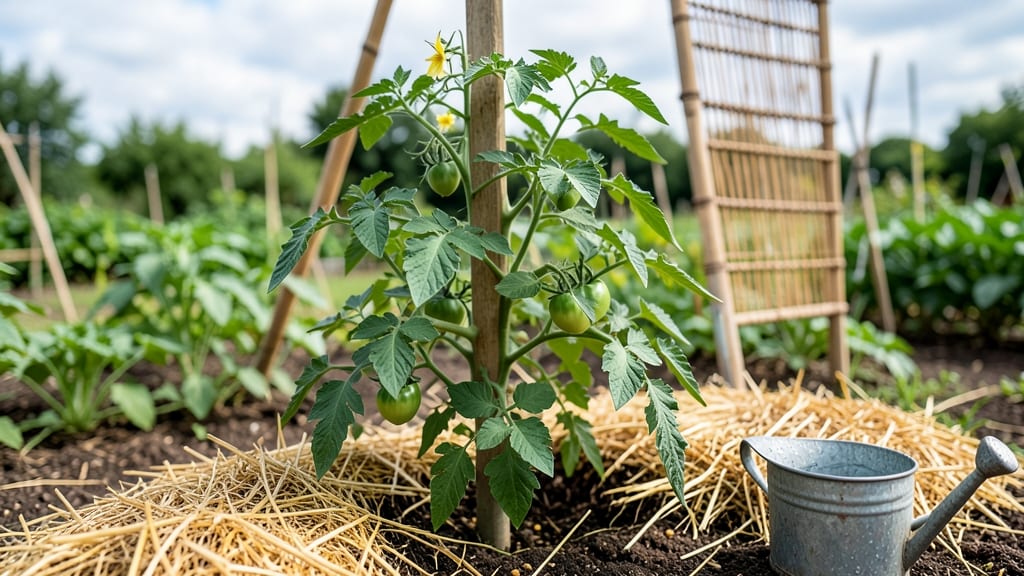
To get the most tomato plants per square foot without sacrificing health or yield, aim for 1 to 4 plants depending on variety and growing method.
Struggling to fit tomato plants into your garden without sacrificing yield? Proper spacing isn’t just about aesthetics—it’s the secret to healthier plants, bigger harvests, and fewer diseases. Too close, and you’ll battle blight and stunted growth; too far, and you waste precious garden real estate.
Here’s the game-changer: determinate tomatoes (the bush types) thrive at 1 plant per square foot, while indeterminate vining varieties need 1 plant every 2-3 square feet to stretch their legs. But there’s more—container growers, square-foot gardeners, and urban farmers can squeeze in extra plants with the right tricks.
In this guide, I’ll walk you through the science of spacing, space-saving layouts for small gardens, and how to maximize your harvest without turning your tomatoes into a jungle. Let’s grow more with less!
Optimal tomato plant spacing by variety and growth type
Choosing the right spacing for your tomato plants isn't just about fitting more into your garden—it's about giving each plant the room it needs to thrive. Overcrowding leads to poor air circulation, increased disease risk, and smaller yields, while too much space wastes precious garden real estate.
The key lies in understanding whether your tomatoes are determinate (bush-type) or indeterminate (vining), as their growth habits dictate spacing needs completely differently.
Determinate tomatoes grow in compact bushes and produce fruit all at once, making them ideal for tight spaces. They typically reach 3-4 feet tall and benefit from closer spacing, while indeterminate varieties grow continuously, often reaching 6-10 feet tall or more, requiring wider spacing to support their sprawling vines.
Even within these categories, dwarf varieties like 'Tiny Tim' or 'Patio Princess' can thrive in containers with just 1 square foot per plant.
| Variety Type | Mature Height | Spacing (in-ground) | Spacing (containers) | Plants/Sq Ft |
|---|---|---|---|---|
| Determinate (Bush) | 3-4 ft | 18-24 inches apart | 5-gallon container (1 plant) | 1-2 plants |
| Indeterminate (Vining) | 6-10+ ft | 24-36 inches apart | 15-gallon+ container (1 plant) | 0.5-1 plant |
| Dwarf/Cherry | 1-3 ft | 12-18 inches apart | 1-3 gallon container (1-2 plants) | 2-4 plants |
| Semi-Determinate | 4-5 ft | 20-24 inches apart | 7-10 gallon container (1 plant) | 1 plant |
For determinate varieties, like 'Roma' or 'Celebrity', aim for 18-24 inches apart in rows spaced 2-3 feet apart. This spacing allows for 1-2 plants per square foot, perfect for high-yield, space-efficient gardens.
In contrast, indeterminate types, such as 'Sungold' or 'Brandywine', need 24-36 inches between plants and 3-4 feet between rows to accommodate their sprawling vines and heavy fruit loads.
Root spread is another critical factor—tomatoes develop extensive root systems that compete for nutrients and water. Indeterminate varieties often have deeper roots, so wider spacing prevents root competition. Meanwhile, dwarf or cherry tomatoes can handle closer spacing, like 12-18 inches apart, because their roots stay more compact.
This allows you to fit 2-4 plants per square foot in small gardens or containers.
Sunlight needs also play a role in spacing. Tomatoes require 6-8+ hours of direct sun daily, so overcrowding can lead to shaded lower leaves, which increases humidity and fungal diseases like blight.
Proper spacing ensures even sunlight exposure and airflow, reducing disease pressure. For example, in a 4x4-foot raised bed, you could fit 4 determinate plants or 2 indeterminate plants with adequate spacing.
If you're growing in containers, spacing becomes even more critical. A 5-gallon pot can support 1 dwarf tomato plant, while a 15-gallon container is ideal for 1 indeterminate plant.
For bush varieties, you can sometimes fit 2 plants per container if you use companion planting with shallow-rooted herbs like basil, which also deters pests. Just avoid overcrowding—root-bound plants produce smaller yields and are more prone to stress.
One common mistake is assuming that smaller plants = closer spacing. While dwarf varieties can handle tighter quarters, they still need enough room to circulate air and access sunlight.
For instance, 'Tumbling Tom' cherry tomatoes can spill over edges, but they still require 12-18 inches apart to prevent disease and maximize fruit production. Always check the variety’s mature size and growth habit before planting.
For urban gardeners or those with limited space, consider vertical growing. Trellising indeterminate varieties can reduce their ground footprint by 50%, allowing you to grow more plants in the same area.
For example, a 6-foot trellis can support 1 indeterminate plant while saving space for other crops. Just ensure the trellis is sturdy enough to handle the weight of heavy fruit like beefsteak tomatoes.
Finally, always adjust spacing based on your garden’s conditions. If your soil is poor or rocky, give plants extra room to compensate for limited root growth. Conversely, in rich, well-draining soil, you can space plants slightly closer.
The goal is to balance yield potential with plant health, ensuring your tomatoes grow strong, productive, and disease-free.
Square foot gardening layouts for tomato plants
Square foot gardening transforms limited space into a high-yield tomato haven by maximizing every inch. For tomatoes, the key is balancing plant density with airflow to prevent diseases like blight and powdery mildew.
My 1x1 foot grids work best for cherry tomatoes or bush varieties, while larger grids accommodate indeterminate vining types. Let’s explore proven layouts that fit your garden size—whether you’re working with a 4x4 raised bed or a container on a balcony.
Companion planting is your secret weapon in square foot gardening. Pairing tomatoes with basil repels pests like hornworms, while marigolds deter nematodes. Even onion family plants (garlic, chives) improve flavor and health. These pairings let you squeeze more plants into tight spaces without sacrificing growth.
For example, a 2x2 grid can comfortably hold 2 tomato plants + 1 basil + 1 marigold—tripling your yield per square foot!
| Grid Size | Tomato Variety | Plants per Grid | Companion Plants | Yield Potential |
|---|---|---|---|---|
| 1x1 ft | Cherry Tomatoes (e.g., 'Sweet 100') | 1 plant | 1 basil, 1 marigold | 1 pint per plant |
| 2x2 ft | Bush Tomatoes (e.g., 'Roma') | 2 plants | 1 basil, 2 onions | 2 lbs per plant |
| 4x4 ft | Indeterminate (e.g., 'Sungold') | 4 plants (trellised) | 2 basil, 4 marigolds | 5 lbs per plant |
| Container (5-gallon) | Dwarf Tomatoes (e.g., 'Tiny Tim') | 1 plant | 1 thyme, 1 nasturtium | ½ pint per plant |
High-density layouts like 4x4 grids are perfect for indeterminate tomatoes, but they require trellising to save space. My 4-plant 4x4 grid uses a central tomato cage or vertical trellis, freeing up floor space for other crops.
For determinate varieties, stick to 2 plants per 2x2 grid—they’re bushier and need less support. Always leave 12-18 inches between plants to ensure airflow, even in tight spaces.
Small gardens benefit from staggered planting. Instead of planting all tomatoes at once, space them 2 weeks apart in the same grid. This extends your harvest season and prevents overcrowding. For example, in a 1x1 grid, plant 1 cherry tomato now, then add another in 2 weeks.
The first plant will yield while the second establishes roots. Pair this with succession planting of basil to keep pests at bay all season.
Urban gardeners can maximize containers with espalier training. Grow 1 indeterminate tomato per 5-gallon pot, training it to climb a wall-mounted trellis. This saves floor space and creates a stunning vertical display.
Add companion herbs like thyme around the base—their scent deters pests naturally. For containers under 3 gallons, choose dwarf varieties like 'Tiny Tim' and limit to 1 plant per pot.
Remember: overcrowding leads to diseases and poor yields. Always prioritize airflow over packing plants tightly. Start with my 1x1 grid for cherry tomatoes, then expand to larger grids as your confidence grows. With the right layout, you’ll harvest 30-50% more tomatoes in the same space—without extra work! 🌱