
Plants
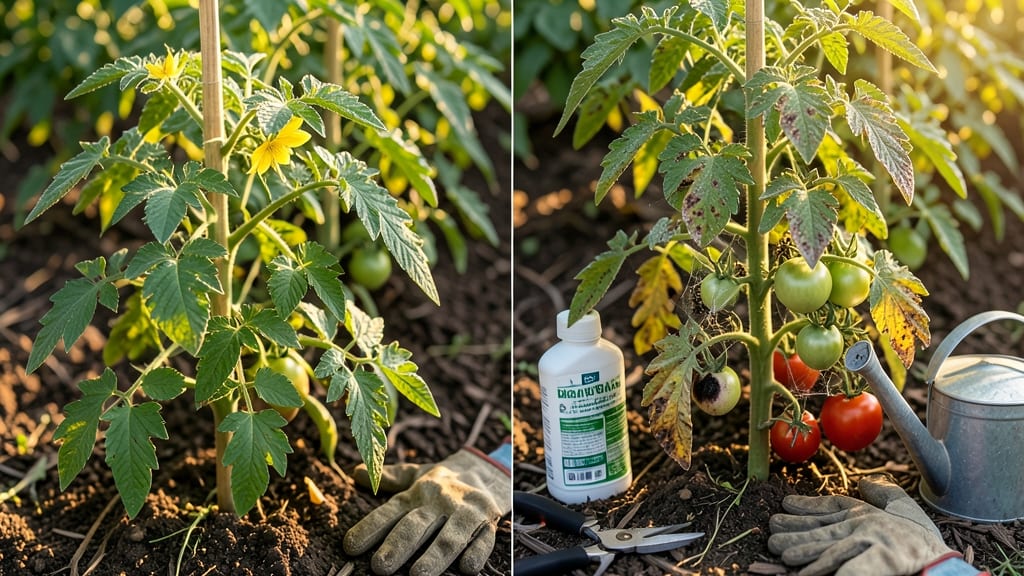
Tomato plant growing problems can turn your garden dreams into a wilting nightmare—unless you know the quick fixes. 🌱 I’ve lost entire plants to blight, pests, and mysterious yellowing leaves, but these fast troubleshooting steps saved my harvests every time.
The first step is identifying the issue: Is it a disease (like blight or powdery mildew), a pest (aphids, hornworms, or spider mites), or a nutrient problem (blossom end rot, yellow leaves)? Each has a distinct look and a specific solution—often as simple as adjusting water or adding compost.
Once you spot the problem, you’ll act fast with targeted fixes: prune infected leaves, spray neem oil, or add calcium for blossom end rot. The key is catching issues early before they spread. My plants now thrive because I check them daily and intervene at the first sign of trouble.
This guide covers 9 common problems with step-by-step fixes—no more guessing or lost harvests. Let’s get those tomatoes back on track!
Root Causes Behind Tomato Struggles
Tomato plants are resilient, but even the hardiest varieties can fall prey to environmental stress, pests, or cultural mistakes. Understanding the why behind common tomato problems is half the battle—because once you know the root cause, you can fix it fast.
Below, we break down the science behind the most frustrating tomato plant growing problems, so you can diagnose like a pro.
Tomatoes hate soggy roots, and overwatering is a leading cause of blossom end rot, fungal diseases (like early blight), and root rot. Here’s why it happens:
- Compacted or clay soil holds too much water, suffocating roots and cutting off oxygen.
Roots need aeration to absorb nutrients efficiently. - Lack of drainage in containers or raised beds traps excess moisture, creating anaerobic (oxygen-deprived) conditions where harmful bacteria thrive. - Inconsistent watering (e.g., daily light sprinkles) encourages shallow root growth, making plants more vulnerable to stress when they do get a deep drink.
Pro Tip: 💡 Test your soil’s drainage by digging a 6-inch hole, filling it with water, and timing how long it takes to drain. If it’s still wet after 6 hours, amend with perlite, compost, or coarse sand.
Tomatoes are heavy feeders, and when they lack key nutrients, they send distress signals through stunted growth, yellowing leaves, or poor fruit set. The most common deficiencies include:
| Symptom | Missing Nutrient | Why It Happens |
|---|---|---|
| Yellow lower leaves (veins stay green) | Nitrogen (N) | Soil depletion, overwatering leaching nutrients, or poor organic matter. |
| Purple stems/leaves | Phosphorus (P) | Cold soil slows microbial activity, reducing phosphorus availability. |
| Weak stems, small leaves | Potassium (K) | Over-fertilizing with nitrogen (like lawn fertilizer) or drought stress. |
| Brown leaf edges | Magnesium (Mg) | Compacted or acidic soil locks out magnesium, or over-fertilizing with potassium. |
Fix It: 🌡️ Conduct a soil test (DIY kits are cheap!) and supplement with:
- Nitrogen: Compost tea or blood meal.
- Phosphorus: Bone meal or rock phosphate.
- Potassium: Banana peels (composted) or greensand.
Pests don’t just nibble—they transmit diseases, sap nutrients, and stress plants, making them susceptible to other issues. Common culprits include:
- Aphids & Whiteflies 🐛: These sap-suckers excrete honeydew, a sticky residue that fosters sooty mold, blocking sunlight and stunting growth.
- Hornworms 🐛💚: They devour leaves and fruits overnight, leaving behind ragged holes and defoliated plants.
- Fungal Gnats 🪰: Their larvae feed on root hairs, reducing water and nutrient uptake, leading to wilting even when soil is moist.
Why It Escalates:
- Monoculture gardening (planting tomatoes in the same spot yearly) builds up pest populations.
- Overhead watering keeps foliage damp, inviting fungal pests like spider mites (which thrive in dry, dusty conditions).
- Weak plants (from poor soil or stress) are easier targets.
Pro Tip: ✨ Prevent pests proactively with:
- Neem oil spray (disrupts insect life cycles).
- Row covers (physical barriers for early-season pests).
- Beneficial insects (ladybugs for aphids, parasitic wasps for hornworms).
Tomatoes are warm-season plants (60–85°F ideal) and need 6–8 hours of direct sunlight daily. When conditions stray from this, growth grinds to a halt:
- Cold Snaps (<50°F) 🥶:
- Delayed germination (seeds rot if soil is too cold).
- Blossom drop (flowers abort when nights dip below 55°F).
- Fungal diseases (like late blight) thrive in damp, cool weather.
- Heatwaves (>90°F) 🔥:
- Sunburn (leaves turn white/papery from excessive UV exposure).
- Blossom end rot (heat stress disrupts calcium uptake).
- Poor pollination (bees avoid flowers in extreme heat, leading to catfacing—misshapen fruit).
- Shade Deficiency 🌑:
- Leggy, weak stems (plants stretch toward light, becoming top-heavy and prone to snapping).
- Small, bitter fruit (insufficient photosynthesis = low sugar production).
Fix It: 🎯
- Cold protection: Use row covers or black plastic mulch to warm soil.
- Heat relief: Provide afternoon shade (with shade cloth) in scorching climates.
- Light boost: Prune lower leaves to improve airflow and reflect sunlight with white mulch.
Tomatoes prefer slightly acidic to neutral soil (pH 6.0–6.8). When pH strays too high (alkaline) or low (acidic), nutrients become unavailable, even if they’re in the soil:
- High pH (>7.0):
- Iron, manganese, zinc become locked up → yellowing between veins (chlorosis).
- Common in areas with lime-rich soil or over-application of wood ash.
- Low pH (<5.5):
- Aluminum & manganese toxicity → brown leaf tips or stunted roots.
- Often seen in peat-heavy or heavily composted soils.
Test & Adjust: 🔥 Use a pH test kit and amend with:
- To raise pH: Lime (calcium carbonate).
- To lower pH: Sulfur or peat moss.
Even healthy seedlings can crash and burn if not transplanted carefully. Common triggers:
- Root disturbance during transplanting severs fine root hairs, slowing nutrient/water uptake.
- Over/under-watering post-transplant (roots need time to establish before resuming normal watering).
- Sudden temperature shifts (e.g., moving from a greenhouse to a windy outdoor spot).
- Buried stems too deep → rot at the soil line; stems too high → weak anchorage.
Prevent Shock: 👨🍳 Hardening off seedlings gradually (5–7 days of outdoor acclimation). 🌡️ Water deeply before transplanting to reduce stress. 🔪 Trim damaged roots at transplant but leave the root ball intact.
Quick Fixes for Tomato Plant Troubles
Got a struggling tomato plant? Don’t panic—most issues have simple, effective solutions! Below, we’ve mapped out practical fixes for common tomato plant problems, along with prevention tips to keep your garden thriving. Whether it’s wilting leaves, pests, or poor fruit set, these steps will get your plants back on track.
Cause: Nitrogen deficiency, magnesium (potassium) shortage, or overwatering. Solution:
- 🔥 Test your soil (a DIY pH kit works) and amend with balanced fertilizer (10-10-10 or 5-10-10) if nitrogen is low.
- 🍳 For magnesium deficiency (yellowing between leaf veins): Sprinkle Epsom salt (1 tablespoon per gallon of water) every 2 weeks.
- 👨🍳 Adjust watering: Let the top inch of soil dry before watering again—soggy roots cause yellowing too!
Prevention: ✨ Mulch heavily (straw or grass clippings) to retain moisture and nutrients. ✨ Rotate crops every 3 years to prevent soil depletion.
Cause: Temperature swings, overwatering, or lack of pollinators. Solution:
- 🌡️ Keep temps stable—tomatoes need 60–90°F for pollination. Use shade cloth if it’s too hot.
- 💦 Water deeply but less often—consistent moisture prevents stress.
- 🐝 Hand-pollinate by gently shaking plants or using a small brush to transfer pollen.
Prevention: ✨ Plant heat-tolerant varieties (like ‘Solar Fire’ or ‘Heatmaster’). ✨ Encourage pollinators with nearby flowers (marigolds, basil).
Cause: Sap-sucking insects or chewing pests weakening plants. Solution:
- 🔪 For aphids/whiteflies: Spray with soapy water (1 tsp mild soap + 1 quart water) or neem oil.
- 🍳 For hornworms: Handpick them (they’re huge and easy to spot!) or use Bt (Bacillus thuringiensis) spray.
- 🌿 Prevent future infestations with row covers or companion planting (basil repels pests).
Prevention: ✨ Inspect plants weekly—catch pests early! ✨ Diversity is key—plant herbs like dill or cilantro to attract beneficial insects.
Cause: Humidity, poor airflow, or wet foliage. Solution:
- 🌡️ Improve airflow by pruning crowded branches and spacing plants 18–24 inches apart.
- 💦 Water at the base (never overhead) and remove infected leaves immediately.
- 🍳 Treat with copper fungicide or a baking soda spray (1 tsp baking soda + 1 quart water + a drop of soap).
Prevention: ✨ Rotate crops to avoid soil-borne pathogens. ✨ Choose resistant varieties (e.g., ‘Mountain Merit’ for blight resistance).
Cause: Drought stress, root rot, or compacted soil. Solution:
- 💦 Water deeply (1–2 inches per week) and check soil moisture with your finger.
- 🔥 For root rot: Trim blackened roots, repot in fresh soil, and reduce watering.
- 🌱 Loosen compacted soil with a garden fork to improve drainage.
Prevention: ✨ Use drip irrigation for consistent moisture. ✨ Avoid heavy clay soil—amend with compost or sand.
Pro Tip: 💡 Keep a garden journal! Note what works (and what doesn’t) to troubleshoot faster next season. Happy growing! 🍅🌿
Frequently asked questions about tomato plant problems
Why are my tomato leaves turning yellow?
Yellowing leaves usually signal overwatering, nutrient deficiencies (like nitrogen or magnesium), or root rot. Check the soil moisture—it should be dry 1 inch deep before watering. For yellowing between veins, try Epsom salt spray (1 tbsp per gallon) every 2 weeks. If lower leaves yellow first, it’s often nitrogen—add compost or a balanced fertilizer.
How do I fix blossom end rot on my tomatoes?
Blossom end rot appears as dark, sunken spots on fruit and is caused by calcium deficiency (often from inconsistent watering). Keep soil evenly moist with drip irrigation and add crushed eggshells or calcium nitrate to the soil. Mulch heavily to prevent moisture fluctuations. Prune affected fruit to redirect the plant’s energy.
What should I do if my tomato plants have white spots or powdery residue?
That’s likely powdery mildew, a fungal disease thriving in humid, low-airflow conditions. Prune infected leaves immediately and improve airflow by spacing plants 18-24 inches apart. Spray with a baking soda mix (1 tsp baking soda + 1 quart water + a drop of soap) weekly. For severe cases, use neem oil or a copper fungicide.
My tomato plants have holes in the leaves—what’s eating them?
Large, ragged holes? Blame hornworms—they’re the culprits! Handpick them (they’re huge and easy to spot) or use Bt (Bacillus thuringiensis) spray, an organic pesticide. For smaller holes, check for aphids or spider mites—spray with soapy water or neem oil. Plant basil or marigolds nearby to repel pests naturally.
Can I still save my tomato plant if it’s wilting despite regular watering?
Wilting with crispy leaves suggests root rot or heat stress. If the soil is soggy, trim blackened roots, repot in fresh, well-draining soil, and reduce watering. For heat stress, provide afternoon shade with shade cloth and water deeply in the morning. If the plant is too far gone, focus on saving new growth—tomatoes are resilient and often recover quickly!