
Planting
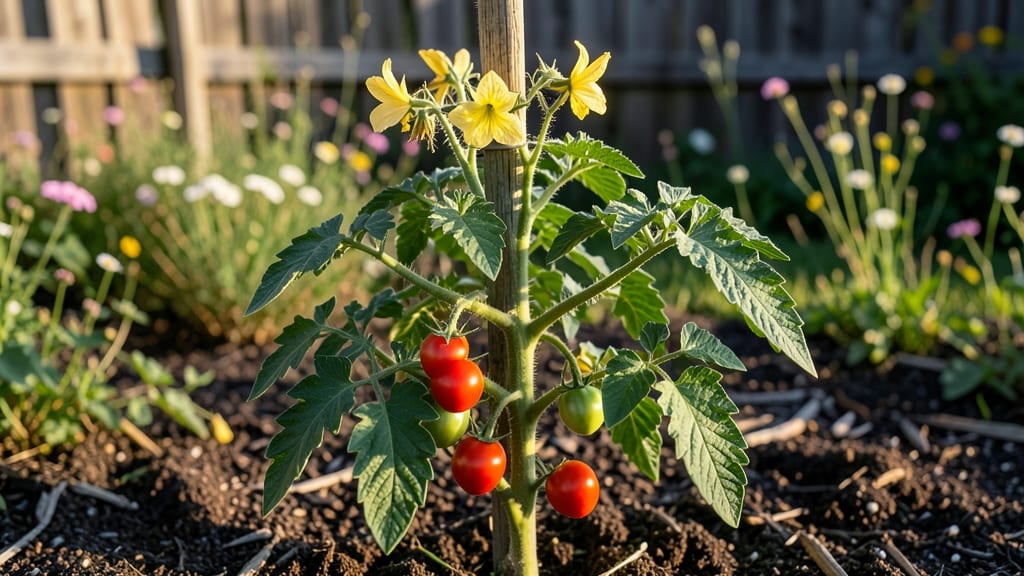
Growing a thriving tomato plant requires the right tips—where the real magic happens with sunlight, soil, and spacing to turn seedlings into a garden bursting with juicy, vine-ripened tomatoes. 🌱 I’ve turned my fair share of sad, leggy seedlings into thriving plants by following these three non-negotiables, and you can too.
The soil needs to be rich, well-draining, and packed with compost—think of it as a five-star hotel for roots. Sunlight? Six to eight hours of direct sun is the minimum, but more means bigger, sweeter tomatoes. And spacing?
Give each plant 18 to 24 inches of room so they don’t compete for nutrients or air. By the time summer rolls around, you’ll be harvesting tomatoes that taste like nothing store-bought can match. The key is consistency—water deeply but infrequently, prune strategically, and watch for pests early.
Trust me, the first ripe tomato of the season is worth every effort.
Most beginners overwater or crowd their plants, both of which lead to disease and poor yields. I learned that the hard way after my first garden produced more blight than tomatoes. The secret is mulching to keep moisture steady and staking or caging plants early to avoid flopping vines.
Organic fertilizers like compost tea or fish emulsion give you that extra boost without harsh chemicals. And when it comes to pruning, focus on removing suckers (those little shoots between the stem and branches) to direct energy to fruit production rather than leaf growth.
Even experienced gardeners make mistakes—like planting too early or ignoring signs of blight. But with the right setup, you’ll avoid the most common pitfalls and end up with a garden that’s the envy of the neighborhood.
The best part? You’ll know exactly what went into growing those tomatoes, from seedling to harvest.
📚 In This Guide
- What you need
- Instructions
- Tips and common mistakes
- Wrapping up and next steps
What you need
- ● Tomato Seeds or Seedlings: Choose disease-resistant varieties like Celebrity, Roma, or Cherry. Buy 5–10 seeds or 3–5 healthy seedlings.
- ● Containers or Garden Bed: Containers: 5-gallon pots or larger (1 plant per container). Ensure they have drainage holes.
- ● Garden Bed: A sunny spot (6+ hours of sunlight) with loose, well-draining soil (6"–12" deep).
- ● High-Quality Potting Mix or Soil: 1–2 bags of organic, nutrient-rich mix (e.g., Miracle-Gro or homemade compost blend). Avoid garden soil if it’s heavy or clay-like.
- ● Fertilizer: Balanced Fertilizer (10-10-10): 1–2 tbsp per plant at planting time.
- ● Tomato-Specific Fertilizer: Follow package instructions for blooming/fruiting stages.
- ● Stakes or Cages: 6–8 ft tall bamboo stakes or tomato cages (1 per plant).
- ● Mulch: Straw or shredded leaves (1–2 inches thick) to retain moisture and suppress weeds.
- ● Watering Can or Hose with Nozzle: For gentle, deep watering (avoid wetting leaves).
- ● Pruning Shears: Sharp, clean shears to trim suckers and dead leaves.
- ● Grow Lights: For indoor growing or early seedlings (LED or fluorescent, 12+ hours/day).
- ● Drip Irrigation Kit: Automates watering and reduces disease risk.
- ● Epsom Salt: 1 tbsp dissolved in water monthly for magnesium boost (especially for yellowing leaves).
- ● Row Covers or Shade Cloth: Protects from pests or extreme heat (30–50% shade).
- ● pH Test Kit: Ensures soil pH is 6.0–6.8 (tomatoes love slightly acidic soil!).
- ● Compost or Worm Castings: Adds nutrients and improves soil structure.
Step-by-step instructions for growing tomatoes like a pro
Here’s the method I’ve used for years to grow tomatoes that produce bushels of fruit—not just a handful.
🌱 Step 1: Select the Right Variety for Your Climate
Tomatoes thrive best when matched to your growing zone. For warm climates, choose heat-tolerant varieties like ‘Solar Fire’ or ‘Heatmaster’—they won’t bolt in 90°F+ temperatures. In cooler regions, opt for early-maturing types like ‘Early Girl’ or ‘Stupice’ to beat the first frost. I always check the days-to-maturity label and adjust planting dates accordingly.
Determinate varieties (bush types) produce compact plants with a single harvest, while indeterminate types (vining) keep growing and fruiting all season. If you’re short on space, determinate is your best bet. For a continuous harvest, indeterminate varieties like ‘Better Boy’ or ‘Brandywine’ are worth the extra care.
☀️ Step 2: Plant in Full Sun with Proper Spacing
Tomatoes need at least 6-8 hours of direct sunlight daily—more is better. If your garden gets afternoon shade, choose a spot where they’ll receive morning sun instead. I’ve seen plants struggle in partial shade, producing small, pale fruit with poor flavor. Space determinate varieties 18-24 inches apart in rows 2-3 feet apart, while indeterminate types need 2-3 feet between plants and 3-4 feet between rows for proper air circulation.
If you’re growing in containers, use pots at least 5 gallons for indeterminate varieties—smaller pots stunt root growth and limit harvests. Bury the lower half of the stem when planting to encourage strong root development. This is the moment that matters: deeper planting means more roots, which means bigger plants and heavier fruit.
💧 Step 3: Water Deeply and Consistently
Tomatoes hate inconsistent moisture. Water deeply 1-2 times per week (more in extreme heat) to encourage deep root growth. Shallow watering leads to weak roots and surface-drying soil, which cracks and splits fruit. I water in the morning so the foliage has time to dry before evening, reducing the risk of fungal diseases like blight.
Use a soaker hose or drip irrigation to deliver water at the base of the plant. Avoid wetting the leaves, especially in humid conditions. You’ll know you’re doing it right when the top 6 inches of soil feel dry to the touch before the next watering. Mulch with 2-3 inches of straw or shredded leaves to retain moisture and keep roots cool.
✂️ Step 4: Prune and Support for Maximum Yield
Pruning indeterminate tomatoes early in the season directs energy to fruit production. Remove suckers—the small shoots that form in the leaf axils—when they’re 2-3 inches long. I pinch them off with my fingers rather than cutting to avoid damaging the stem. Leave determinate varieties unpruned; their bushy growth naturally supports fruit without intervention.
Install stakes, cages, or trellises as soon as plants are 6 inches tall to prevent sprawling. I swear by 6-foot bamboo stakes tied with soft plant ties—never wire, which can cut into stems. Prune lower leaves up to 12 inches from the ground to improve airflow and reduce disease risk. This isn’t just about aesthetics; it’s about keeping your plants healthy enough to feed you all season.
🌿 Step 5: Fertilize and Monitor for Pests/Diseases
Feed tomatoes with a balanced fertilizer (10-10-10) at planting, then switch to a low-nitrogen, high-phosphorus formula (5-10-10) when flowers appear. Too much nitrogen leads to leafy growth at the expense of fruit. I also add 1 tablespoon of Epsom salt per gallon of water every 2 weeks to prevent blossom-end rot, a common issue caused by calcium deficiency.
Watch for early signs of pests like hornworms (those giant green caterpillars) or aphids. Handpick hornworms and drop them in soapy water—no need for chemicals. For fungal diseases, remove infected leaves immediately and apply neem oil or copper fungicide as a preventive spray. Real talk: the best defense is a healthy plant, so don’t skip the pruning or watering steps.
Tips & tricks for perfect tomato plant growth
Growing tomatoes that produce like a dream isn't luck—it's strategy. Here's what I've learned after years of trial and error in my own garden.
Sunlight Strategy: The 6-8 hours of direct sunlight mentioned is non-negotiable, but here's the secret: morning sun is more valuable than afternoon. Plants exposed to intense afternoon heat often develop sunburned leaves and bitter fruit. If you must plant in partial shade, choose a spot with morning sun exposure—this gives your plants time to recover from any midday heat stress.
Root Development Hack: When planting in containers, I've found that using pots with drainage holes is only half the battle. The real trick is to fill the bottom third of the pot with a mix of perlite and compost before adding your potting soil. This creates an air pocket that encourages roots to grow downward and outward, maximizing nutrient uptake. Remember, those 5-gallon pots need to work hard for your indeterminate varieties!
Watering Wisdom: The 1-2 times per week guideline works for most climates, but I've learned to adjust based on soil type. Sandy soils dry out faster and need more frequent watering, while clay soils hold moisture longer. A simple test: stick your finger 2 inches into the soil—if it feels dry, it's time to water. This method helps prevent both underwatering (which causes blossom-end rot) and overwatering (which invites fungal diseases).
Pruning Precision: Those 2-3 inch suckers might seem small, but removing them early prevents energy drain from your plants. I've found that the best time to prune is on cloudy days or in the early morning when the plants are less stressed. Also, when pruning lower leaves up to 12 inches from the ground, leave a few leaves at the base to protect against sunburn when the fruit starts ripening. This balance keeps your plants healthy while maximizing airflow.
Pro Tips for Tomato Plant Growing Tips
- Growing tomatoes that produce like a dream isn't luck—it's strategy. Here's what I've learned after years of trial an...
- Sunlight Strategy: The 6-8 hours of direct sunlight mentioned is non-negotiable, but here's the secret: morning sun i...
- Root Development Hack: When planting in containers, I've found that using pots with drainage holes is only half the b...
Frequently asked questions
Got questions about growing your perfect tomato plants? You’re not alone! Here are some of the most common queries—plus quick, actionable answers to keep your garden thriving.
How long does it take for tomato plants to grow and produce fruit?
Most tomato varieties take 60–85 days from transplanting to harvest, depending on the type (determinate vs. indeterminate). Start seeds indoors 6–8 weeks before the last frost for a head start. Warm soil and consistent sunlight accelerate growth—so don’t rush planting until temps stay above 50°F (10°C) at night!
Why are my tomato leaves turning yellow?
Yellow leaves usually signal overwatering, underwatering, or nutrient deficiencies. Check the soil—it should be moist but not soggy. Common fixes:
- Overwatering: Reduce frequency; improve drainage with perlite or raised beds.
- Underwatering: Water deeply at the base (avoid wetting leaves to prevent disease).
- Nitrogen deficiency: Fertilize with compost or a balanced 10-10-10 mix.
Yellowing lower leaves are normal as plants mature, but upper leaves need immediate attention!
Can I grow tomatoes in containers, and what’s the best size?
Tomatoes thrive in containers if they have 5+ gallons of space per plant (bigger is better for indeterminate varieties). Use a well-draining potting mix and a 5–6 inch pot diameter for cherry tomatoes. Add trellises or cages to support vines—containers dry out faster, so water daily in hot weather.
How do I prevent pests like hornworms or aphids from destroying my plants?
Start with prevention:
- Handpick hornworms (they’re camouflaged—look for black-and-white striped caterpillars).
- Spray aphids with soapy water (1 tsp mild soap + 1 quart water) or introduce ladybugs.
- Use row covers early in the season to block pests.
- Encourage beneficial insects like parasitic wasps (they hunt hornworm eggs!).
For severe infestations, try neem oil or Bt (Bacillus thuringiensis), an organic bacteria-based spray.
When is the best time to prune tomato plants?
Prune indeterminate tomatoes throughout the season to improve airflow and fruit production:
- Remove suckers (small shoots in the leaf axils) when they’re 2–3 inches long.
- Trim lower leaves touching the soil to prevent disease.
- Avoid pruning during flowering or fruiting—focus on early growth and late season.
Determinate varieties rarely need pruning—let them bush out naturally for higher yields!
Wrapping up and next steps
Growing your own tomatoes is a rewarding journey that combines patience, care, and a little bit of science! 🌱 By mastering the sunlight, soil, and spacing secrets, you’ll be well on your way to a thriving harvest—whether you’re a beginner or a seasoned gardener. Remember: healthy plants start with the right foundation, and every seed you plant is a step toward fresh, homegrown goodness.
Now that you’re armed with these tomato-growing tips, it’s time to roll up your sleeves and get planting! Start small with a single pot or a few seeds, and soon, you’ll be enjoying juicy, vine-ripened tomatoes straight from your garden. Happy growing! 🍅✨