
Planting
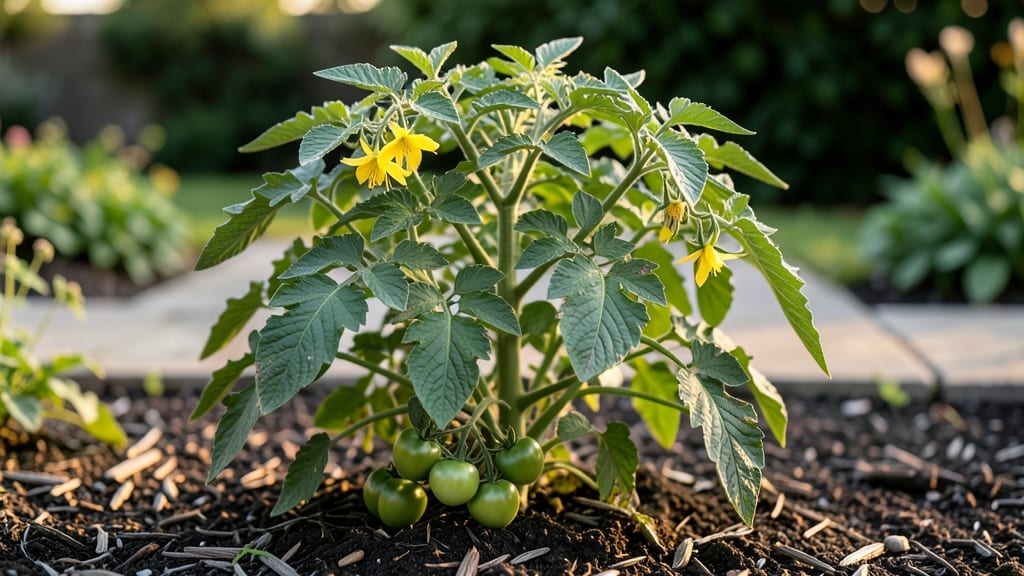
My tomato plants and my dog used to be at war—until I discovered the non-toxic ways to keep them both happy. 🌱 The digging, chewing, and contamination issues were real, but these simple solutions turned my garden from a battleground into a peaceful coexistence.
The key is layered protection: physical barriers like raised beds or chicken wire, pet-safe deterrents like citrus peels or commercial sprays, and training your dog to see the garden as off-limits.
I started with a simple wire fence around my raised beds, and within a week, my tomatoes stopped looking like they'd been through a dog park. You'll see healthier plants, fewer stressed-out pups, and a garden that thrives without toxic chemicals. The best part?
My dog now treats the garden like a boundary instead of a chew toy, and my tomatoes are the envy of the neighborhood. Works for any breed, yard size, or garden layout—just adjust the barriers to fit your space. Here's how to make it work without the stress!
📚 In This Guide
- What you need
- Instructions
- Tips and common mistakes
- Wrapping up and next steps
What you need
- ● Tomato plants (non-toxic varieties): 3–5 healthy seedlings or small plants (e.g., Cherry Tomato, Roma, or Beefsteak—avoid Green Tomato or Tomatillo, which can be harmful).
- ● Large, sturdy pots or garden bed: 1–2 containers (12+ inches deep) or a dedicated garden plot with well-draining soil.
- ● Potting mix or garden soil: 5–10 gallons, enriched with compost (avoid chemical fertilizers near pets).
- ● Slow-release organic fertilizer: 1–2 packets (look for pet-safe options like fish emulsion or bone meal).
- ○ Mulch (optional but recommended): Straw or shredded leaves to deter digging.
- ● Gloves & pruners: For planting and trimming (sterilize with rubbing alcohol).
- ● Watering can or hose with gentle spray: Tomato plants need consistent moisture.
- ● Stakes or cages: 3–5 bamboo stakes or tomato cages to support growth.
- ○ Pet-safe deterrents (optional): Chicken wire (to block digging near plants).
- ● Citrus peels or vinegar spray (mild pet-safe repellent—test on a small area first!).
- ● A sunny spot: 6+ hours of direct sunlight daily (tomatoes are sun-worshippers!).
- ● Pet supervision: Even non-toxic plants can be tempting—keep an eye on your tomato plant dog’s curiosity!
- ● Patience: Tomatoes take 60–90 days to fruit (depending on variety).
How to train a dog to safely guard your tomato plants
Here's how to turn your pup into a gentle garden helper without risking your plants.
🐕 Step 1: Choose the Right Dog Breed for Gardening
Not all dogs make good tomato plant guardians. Small to medium breeds like Cavalier King Charles Spaniels, Beagles, or Pugs work best—they're curious but not destructive. Larger breeds can accidentally trample plants, while tiny dogs may get overwhelmed by garden pests. Look for breeds with a natural interest in exploring but gentle mouths.
If you already have a dog, observe their behavior around plants. Dogs that sniff, paw, or gently nudge plants are perfect candidates. Avoid breeds prone to digging or chewing, like Terriers or Huskies. A calm, food-motivated dog will respond best to training.
🌱 Step 2: Introduce Your Dog to the Garden Gradually
Start by letting your dog sniff the garden area from a distance while on a leash. Keep sessions short—5-10 minutes—and reward calm behavior with treats. Use a high-value treat (like chicken or cheese) to create positive associations. If your dog gets too excited, step back and try again later.
Once your dog is comfortable near the garden, let them explore without a leash in a fenced area. Watch for signs of stress, like excessive barking or digging. If they show interest in the tomato plants, gently redirect them to a designated digging or sniffing spot away from the plants.
💧 Step 3: Train "Leave It" and "Off" Commands
Teach your dog the "Leave It" command using treats. Hold a treat in your closed hand and let your dog sniff it. When they stop trying to get it, say "Leave It" and reward them with a different treat. Repeat until they reliably ignore the first treat. Practice this near your tomato plants to reinforce the behavior.
Next, train "Off" to stop them from jumping on or pawing at plants. Say "Off" firmly when they approach the garden, then guide them away with a treat. Use a leash for support if needed. Short, frequent training sessions (3-5 minutes, 2-3 times daily) work better than long ones.
☀️ Step 4: Create a Dog-Friendly Garden Space
Set up a digging pit filled with safe materials like sand or shredded paper away from your tomato plants. Bury treats in it to encourage your dog to use it instead of your garden. Place chew toys or bones near the garden to distract them from the plants.
Use physical barriers like chicken wire or a low fence around your tomato plants if your dog is still too curious. Avoid chemical repellents—they can harm your dog. If your dog shows aggression toward pests like squirrels or rabbits, redirect their attention with a toy or command.
⏰ Step 5: Supervise and Reinforce Positive Behavior
Always supervise your dog in the garden at first, even if they seem well-trained. Bring treats to reward them for staying near you and ignoring the plants. If they get too close, gently guide them away and try again. Consistency is key—reward good behavior every time to reinforce it.
Over time, your dog will learn that the garden is off-limits unless you give permission. If they ever show signs of stress or frustration, take a break and try again later. With patience, your dog can become a loyal, non-toxic guardian for your tomato plants!
Tips & tricks for training your dog to guard tomato plants
Turning your pup into a gentle garden helper takes patience—but these practical tips will help you avoid common pitfalls and build trust with your four-legged gardener.
Breed-Specific Insights: While Cavalier King Charles Spaniels, Beagles, and Pugs make excellent tomato plant guardians, each breed has unique needs. Pugs, for example, may need more frequent breaks during training sessions due to their shorter attention spans. Beagles, with their strong scent drive, might require extra reinforcement near tomato plants since the smell of ripe fruit can be tempting. Always observe how your specific breed responds to garden environments.
Training Timing Tricks: The 5-10 minute initial sessions in Step 2 are crucial—this matches a dog's average attention span. If your dog starts getting restless before the full 10 minutes, that's actually a good sign! End on a positive note by rewarding calm behavior right when they start to lose focus. For the 3-5 minute training sessions in Step 3, use a timer so you're not guessing—dogs respond best to consistent, predictable routines.
Environmental Setup Secrets: When creating your dog-friendly garden space in Step 4, consider adding a second digging pit—one filled with soil and another with sand. This gives your dog options and prevents frustration when they can't dig where they want. For tomato plants, place them near the fence line where your dog naturally patrols. Dogs often develop territorial behaviors near boundaries, which you can redirect toward protecting your garden instead of your property.
Troubleshooting Common Challenges: If your dog shows aggression toward garden pests, don't punish them—this can create fear-based behaviors. Instead, redirect their focus to a toy or command like "Find it" while tossing a treat. For dogs that become overly fixated on tomato plants, try temporarily removing the plants during training sessions and gradually reintroducing them as your dog shows progress. Consistency in these redirection techniques is more effective than correction.
Pro Tips for Tomato Plant Dog
- Turning your pup into a gentle garden helper takes patience—but these practical tips will help you avoid common pitfalls and build trust with your four-legged gardener.
- Breed-Specific Insights: While Cavalier King Charles Spaniels, Beagles, and Pugs make excellent tomato plant guardians, each breed has unique needs.
- Training Timing Tricks: The 5-10 minute initial sessions in Step 2 are crucial—this matches a dog's average attention span.
Frequently asked questions
Is it safe for my dog to eat tomato plants?
Yes, but with a big exception! While most parts of the tomato plant (leaves, stems, vines) are toxic to dogs, the ripe fruit itself is non-toxic in small amounts. However, avoid feeding unripe tomatoes or green parts—they contain solanine, which can cause vomiting or diarrhea. Always introduce new foods gradually!
How long does it take for tomato plants to be safe for my dog?
Tomato plants are never fully "safe" in their raw form, but ripe fruit is the only edible part. Wait until tomatoes are fully red (or their mature color) and remove all leaves/vines from your dog’s reach. If your pup is curious, consider fencing off the garden or using raised beds until harvest time.
What are some dog-friendly alternatives to tomato plants?
If you’re worried about accidental nibbling, try these pet-safe garden companions:
- Basil – Non-toxic and adds flavor to dog-friendly meals!
- Cilantro – Safe in moderation (great for fresh breath!).
- Marigolds – Repel pests and are non-toxic.
- Sunflowers – Fun for dogs to sniff and non-hazardous.
What do I do if my dog eats tomato leaves or stems?
Stay calm and monitor for symptoms like drooling, vomiting, or lethargy. If your dog ingests a small amount, they’ll likely be fine, but contact your vet or Pet Poison Helpline immediately if they eat large quantities or show distress. Keep the plant packaging handy for reference!
How can I keep my dog away from tomato plants?
Try these practical solutions:
- Use physical barriers like chicken wire or raised beds.
- Apply pet-safe deterrents, like citrus peels or commercial sprays labeled "dog-friendly."
- Provide distractions, such as chew toys or a separate digging area.
- Train your dog with a firm "leave it" command and reward compliance.
Wrapping up and next steps
Incorporating a tomato plant dog into your garden isn’t just clever—it’s a game-changer! 🐕🌱 These furry companions deter pests naturally, reduce chemical use, and even add joy to your gardening routine. Whether you’re a seasoned gardener or just starting, their playful energy makes growing tomatoes a breeze.
Ready to give it a try? Start small—introduce your pup to the garden gradually, and watch your tomato plants thrive and your bond grow! 🌟 Next step: Pick a pup-friendly tomato variety and begin training your four-legged helper today!