
Planting
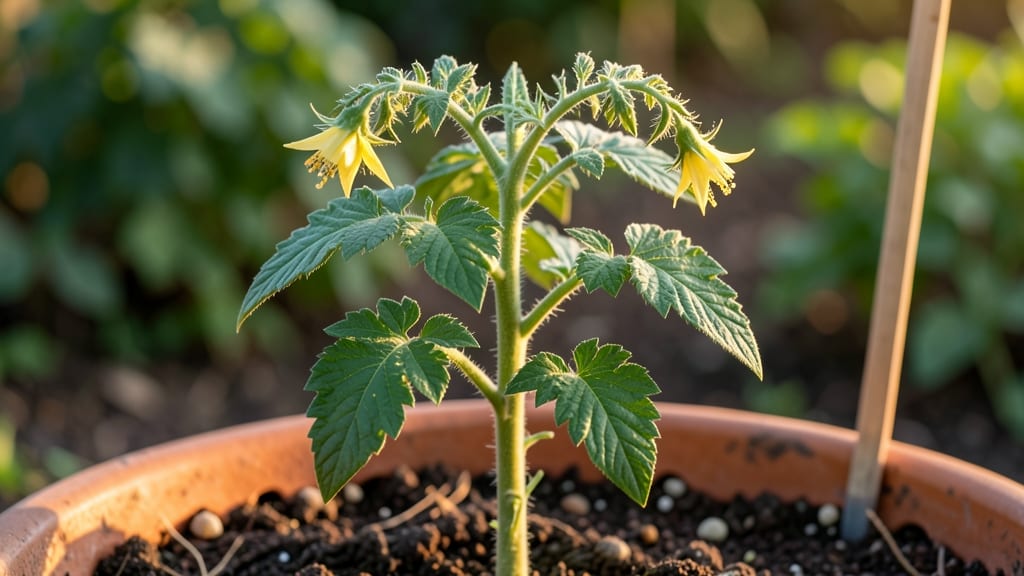
Your two-month-old tomato plant is about to transform from a scraggly seedling into a powerhouse producer—and pruning is the secret weapon. 🌱 I’ve watched my own plants go from spindly to bushy in just a few weeks after learning these simple cuts, and the difference in harvest size is shocking.
At this stage, you’re looking for 3-4 true leaves and maybe even the first flower clusters. That’s when you start pruning to encourage thicker stems and more fruit. Most beginners over-prune or wait too long—both mistakes lead to leggy plants or lost blooms.
The goal is to shape the plant while keeping it strong enough to support future growth. With the right cuts, you’ll see sturdier branches and heavier fruit loads by summer.
The key is timing: prune in the morning on a dry day, and always cut just above a leaf node where new growth can sprout. Think of it like sculpting a tomato bush—every snip directs energy where you want it.
This works for both determinate (bush) and indeterminate (vining) varieties, though the approach differs slightly. Let’s get those pruners ready and turn that plant into a harvest machine.
📚 In This Guide
- What you need
- Instructions
- Tips and common mistakes
- Wrapping up and next steps
What you need
- ● Pruning shears – Clean, sharp, and disinfected (sterilize with rubbing alcohol to prevent disease).
- ● Gloves – Garden or work gloves (to protect from thorns and sap).
- ● Small container or bucket – For collecting pruned branches.
- ● Rubbing alcohol (70% or higher) – 1 small bottle (for sterilizing tools between cuts).
- ○ Garden twine or soft ties – Optional but helpful (if staking or training vines).
- ● Plant support (stakes, cages, or trellis) – 1 per plant (if your variety needs vertical growth).
- ● Balanced fertilizer (10-10-10 or 5-5-5) – Small bag (to replenish nutrients after pruning).
- ● Epsom salt (magnesium sulfate) – 1 tbsp per gallon of water (boosts leaf health post-prune).
- ○ Plant growth regulator (optional) – Follow label instructions (to control excessive growth).
Step-by-step pruning guide for 2-Month-old tomato plants
Here's how to transform those leggy seedlings into sturdy, productive plants with just a few strategic cuts.
✂️ Step 1: Identify and Remove the Suckers
Suckers are the small shoots that grow in the V-shaped junction between the main stem and a branch. Use your thumb and forefinger to gently pinch them off at the base—don't tear the stem, just cleanly remove the sucker. I always start with the lower suckers first, working my way up the plant. This ensures energy stays focused on root and fruit development rather than unnecessary growth.
Wait until suckers are about 1-2 inches long before removing them. Smaller suckers are easier to miss, and larger ones are harder to break off cleanly. You'll know you're doing it right when the plant's energy shifts from vertical growth to thickening stems and producing more flower clusters.
🌿 Step 2: Prune the Lower Leaves
Remove all leaves from the bottom 12-18 inches of the plant, including any that touch the soil. Use clean pruning shears or your fingers to pinch them off at the stem. This improves airflow, reduces disease risk, and directs nutrients to the upper plant where the fruit forms. I like to make this cut just above a leaf node or small branch to encourage new growth there.
Don't overdo it—leave a few leaves near the top to continue photosynthesis. You'll see the plant's center look more open and airy after this step, which is exactly what you want for a healthy tomato.
☀️ Step 3: Thin the Main Stem for Better Light Exposure
If your tomato plant has grown too tall and leggy, it's time to thin the main stem. Identify the 4th or 5th leaf from the bottom and make a clean cut just above it. This forces the plant to branch out from lower nodes, creating a bushier structure. I always use sharp, sterilized pruners to make clean cuts that heal faster.
After pruning, watch for new side shoots to emerge from the leaf nodes below your cut. These will become your new main branches. Keep an eye on the plant over the next week—if you see any weak or diseased growth, remove it immediately to prevent spreading.
💧 Step 4: Support and Monitor After Pruning
After pruning, give your tomato plant a deep watering to help it recover. Water at the base rather than overhead to prevent disease. Stake or cage your plant now if you haven't already—pruned plants need extra support as they develop new branches. I like to tie the main stem to the stake loosely with soft plant ties, leaving room for growth.
Over the next few days, keep an eye on your plant's response. You should see new growth emerging from the leaf nodes below your pruning cuts within 5-7 days. If the plant looks stressed, provide some afternoon shade for a day or two while it adjusts.
⏰ Step 5: Maintain the Shape Moving Forward
Pruning isn't a one-time task—continue checking for suckers every 7-10 days and remove them promptly. Focus on keeping the plant balanced with 3-5 main stems and plenty of airflow between branches. I make it a habit to prune in the morning so any cuts have time to dry before evening moisture sets in.
As your tomato plant matures, you'll notice more flower clusters forming. Once fruit sets, reduce pruning to just removing diseased or crowded growth. The goal now shifts from shaping to supporting the plant as it bears fruit—keep those stakes firm and water consistent!
Tips & tricks for perfect tomato plant pruning
Think of pruning as a conversation with your tomato plant—it's about guiding its energy where you want it to go. Here's what I've learned after years of trial and error in the garden.
Timing is Everything: The best time to prune is on a dry morning after the dew has evaporated. This gives any cuts time to dry before evening moisture sets in, reducing the risk of disease. I always schedule my pruning sessions for early morning, right after sunrise. The plant is fresh, and you'll have plenty of daylight to assess its needs before the heat of the afternoon sets in.
Tool Selection Matters: Don't underestimate the importance of clean, sharp tools. I've seen gardeners use dull shears that crush stems instead of making clean cuts. Use sharp, sterilized pruners for larger cuts and your fingers for smaller suckers. After each use, wipe your tools with rubbing alcohol to prevent spreading disease between plants. A small investment in quality tools makes all the difference in plant health.
Visual Cues for Success: When you're ready to thin the main stem in Step 3, look for the 4th or 5th leaf from the bottom—it should be clearly visible and healthy. The cut should be just above this leaf, creating an angle that allows water to run off. After pruning, watch for new growth emerging from the leaf nodes below your cut within 5-7 days. These new shoots will become your plant's new main branches, creating that bushier structure we're aiming for.
Ongoing Maintenance Strategy: The 7-10 day interval for checking suckers might seem frequent, but it's crucial during the plant's growth phase. I mark my calendar with reminders to check my tomato plants every week. This consistent monitoring prevents suckers from growing too large and becoming difficult to remove. Remember, the goal is to maintain 3-5 main stems—this balance ensures your plant puts energy into fruit production rather than unnecessary growth.
Pro Tips for Tomato Plant 2 Months Old
- Think of pruning as a conversation with your tomato plant—it's about guiding its energy where you want it to go.
- Timing is Everything: The best time to prune is on a dry morning after the dew has evaporated.
- Tool Selection Matters: Don't underestimate the importance of clean, sharp tools.
Frequently asked questions
Got questions about your 2-month-old tomato plant? You’re not alone! Here are some of the most common concerns—and quick, actionable answers to keep your plants thriving.
How do I know if my 2-month-old tomato plant is ready for pruning?
Prune when your plant has 4-6 main stems (trunks) and at least 3-4 sets of true leaves. Look for suckers (those little shoots in the "V" between stems)—these are the first targets! Avoid pruning too early, as young plants need all their energy to establish roots.
Should I remove all suckers, or leave some for bushier growth?
For indeterminate varieties (like Roma or Beefsteak), remove all suckers to encourage upward growth and larger fruit. For determinate types (like Bush Early Girl), leave a few small suckers to promote bushiness—but prune aggressively if overcrowding occurs.
How often should I prune my tomato plant at this stage?
Prune every 1-2 weeks during active growth (spring/summer). Focus on removing suckers, yellow leaves, and diseased stems. Avoid heavy pruning in extreme heat or drought—stress weakens plants. Morning sessions work best!
My 2-month-old tomato plant’s leaves are yellowing—what’s wrong?
Yellow leaves often signal overwatering, nutrient deficiency (like nitrogen), or fungal issues. Check soil moisture (top inch should dry slightly), and adjust watering. For yellowing lower leaves, it’s normal aging—snip them off. If upper leaves yellow, test for blight or pests (like aphids) and treat with neem oil or copper fungicide.
Can I still prune if my plant has flowers or tiny tomatoes?
Yes, but go easy! Prune only non-fruiting suckers and avoid cutting back more than 1/3 of the plant at once. Remove lower leaves touching soil to prevent disease, but leave upper foliage to support photosynthesis for developing fruit.
Still stumped? Drop your plant’s symptoms or variety in the comments—we’re happy to help troubleshoot!
Wrapping up and next steps
Your 2-month-old tomato plant is just hitting its stride, and with the right pruning techniques, you’re setting the stage for a bountiful, bushier harvest! 🌱 Remember, consistency is key—regularly trim suckers, support your plant, and watch those vines flourish.
Now that you’re armed with the secrets, it’s time to roll up your sleeves and give your tomato plant the TLC it deserves.
Ready for the next step? Monitor your plant’s progress weekly—adjust pruning as needed and keep an eye out for pests or diseases. Before you know it, you’ll be reaping the rewards of your hard work with juicy, homegrown tomatoes! 🍅