
Pests and Diseases
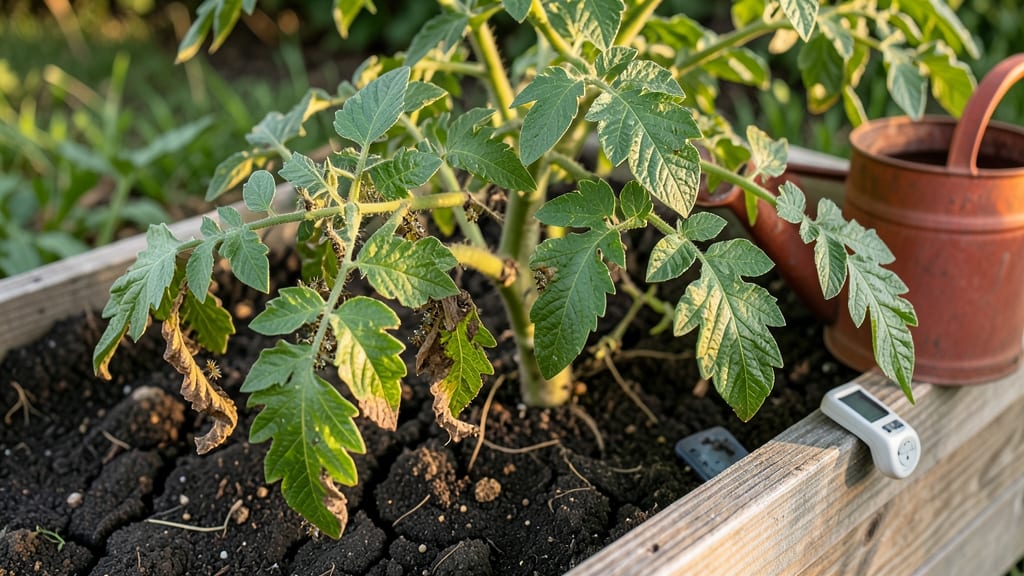
When your tomato leaves turn brown and dry up, it’s not always a death sentence—it’s a call for action. 🌱 I’ve saved more than a few struggling tomato plants from this exact problem, and the key is identifying the root cause before it spreads.
Fungal diseases like early blight or bacterial spot often start with yellowing edges that crisp into brown, while overwatering or nutrient deficiencies can mimic these symptoms with their own telltale signs.
The good news? Most cases respond to quick fixes like removing affected leaves, improving airflow, and applying organic sprays (no copper needed). I’ve found that a mix of neem oil and baking soda—yes, really—stops fungal spread in its tracks when caught early.
The trick is acting before the disease moves to the fruit, because once it does, your harvest is at risk.
You’ll know you’re on the right track when new leaves emerge bright green and crisp, not yellowing at the edges. Prevention is easier than cleanup: rotate crops yearly, water at the base (not overhead), and pick up fallen leaves daily to break the disease cycle.
These small habits save hours of work later.
Whether it’s a single plant or your whole garden, this approach works for heirlooms, cherry tomatoes, or beefsteaks alike. Let’s turn those crispy leaves into lush, productive foliage again—without chemicals.
Root Causes Behind Wilted Tomato Leaves
When your tomato plants start showing signs of brown, crispy leaves, it’s often a distress signal from the plant itself. Understanding the why behind this issue is the first step to saving your harvest.
Below, we break down the most common culprits—each with a clear scientific explanation and actionable clues to help you diagnose the problem quickly.
Tomatoes thrive in warm conditions, but extreme heat or excessive sunlight can cause cellular damage, leading to leaf browning and drying. Here’s how it happens:
- Photosynthesis overload: When temperatures exceed 90°F (32°C), the enzymes responsible for photosynthesis (like RuBisCO) slow down or denature. This disrupts the plant’s ability to convert sunlight into energy, causing leaves to scorch from the edges inward.
- Water evaporation spike: High heat increases transpiration rates, pulling moisture from leaves faster than roots can replace it. Without enough water, leaves wilting and crisp up like overcooked chips.
- Sunburn (yes, plants get it!): Direct, intense sunlight can bleach chlorophyll in leaves, turning them white or brown in patches—especially on the upper surfaces.
🔍 How to spot it: Browning starts on exposed leaves (those closest to the sun) and spreads inward. Leaves may feel dry and papery to the touch.
Tomatoes are sensitive to moisture imbalances, and both extremes can trigger browning and drying. Here’s the science behind each scenario:
- Underwatering:
- Roots shrink and pull away from soil when dry, reducing water uptake. This causes plasmolysis—when plant cells lose turgor pressure and collapse.
- Leaves curl inward first, then brown from the edges (a process called necrosis) as cells dehydrate.
- Overwatering:
- Excess water displaces oxygen in the soil, leading to root suffocation (a condition called anaerobic stress). Roots can’t absorb nutrients or water efficiently.
- Fungal pathogens like Phytophthora thrive in soggy soil, clogging root vessels and cutting off water supply to leaves.
- Yellowing between leaf veins (a sign of chlorosis) often precedes browning in overwatered plants.
🔍 How to spot it:
- Underwatered: Soil is bone-dry; leaves feel crispy and brittle.
- Overwatered: Soil stays soggy for days; leaves may droop even when watered.
Fungi like early blight (Alternaria solani) and late blight (Phytophthora infestans) are notorious for turning tomato leaves into brown, leathery messes. Here’s how they attack:
- Spore invasion: Fungal spores land on leaves and penetrate through stomata (tiny pores) or wounds. They release cellulase enzymes that break down leaf tissue.
- Vascular blockage: Some fungi (like Fusarium wilt) invade the plant’s xylem vessels, clogging them with mycelium and gummy spores. This cuts off water and nutrient flow, causing leaves to wilt and brown.
- Systemic spread: Late blight, for example, can consume an entire plant in days if conditions (high humidity + temps between 60–80°F) are ideal.
🔍 How to spot it:
- Early blight: Concentric brown spots with yellow halos on lower leaves.
- Late blight: Oily, dark brown lesions that spread rapidly; stems may rot.
- Fusarium wilt: Yellowing between veins followed by wilting in the heat of the day.
Pests like aphids, spider mites, and tomato hornworms don’t just eat leaves—they inject toxins and disrupt plant physiology, leading to browning. Here’s how:
- Sap-sucking pests (aphids, mites):
- They pierce cells with stylets, sucking out photosynthetic sap and leaving behind toxic saliva that triggers necrotic spots.
- Heavy infestations starve the plant, causing leaves to yellow, curl, and brown.
- Chewing pests (hornworms, cutworms):
- They sever leaf tissue, exposing it to water loss and fungal infections.
- Large holes or skeletonized leaves (only veins remain) are classic signs.
🔍 How to spot it:
- Look for: Sticky residue (honeydew), tiny webs (mites), or large green caterpillars.
- Browning appears: Randomly (not edge-to-edge) with visible pest activity.
Tomatoes are heavy feeders, and a lack of key nutrients can cause leaves to brown and crisp as the plant prioritizes survival over growth. The most critical deficiencies:
| Nutrient | Deficiency Signs | Why It Happens |
|---|---|---|
| Potassium (K) | Brown scorch marks on leaf edges; leaves crisp and curl. | Potassium regulates water and enzyme activity. Without it, cells lose turgor and burn from excess salts. |
| Magnesium (Mg) | Yellowing between veins (interveinal chlorosis); brown patches later. | Magnesium is central to chlorophyll
Reviving Your Tomatoes NaturallyNow that you know the culprits behind your tomato leaves turning brown and crispy, it’s time to roll up your sleeves and bring those plants back to life! The good news? Most fixes are simple, cost-effective, and—best of all—copper-free. Let’s tackle each issue head-on with actionable steps and prevention tips to keep your tomato plants thriving. --- If your leaves are dotted with brown spots or yellowing in a concentric pattern, fungi are likely the villains. Here’s how to stop the spread and restore health: #### 🍳 Remove Infected Leaves Immediately - Snip off any leaves with brown spots or lesions using sterilized pruners (wipe with rubbing alcohol between cuts). - Do not compost infected foliage—toss it in the trash to prevent reinfection. - Pro Tip: 💡 Remove leaves early in the morning when humidity is lower, reducing fungal spores’ chance to spread via water droplets. #### 👨🍳 Boost Air Circulation - Space plants 18–24 inches apart to improve airflow. - Prune lower leaves (up to 12 inches from the ground) to reduce humidity near the soil, where fungi love to lurk. - Pro Tip: 🌡️ If your garden is shady, consider adding a small fan (on low) for 10–15 minutes daily to dry leaves faster. #### 🥘 Apply Organic Fungicides Skip the copper sprays! Try these natural alternatives: - Baking soda spray: Mix 1 tsp baking soda + 1 tbsp vegetable oil + 1 tsp mild soap + 1 gallon water. Spray every 7–10 days. - Neem oil: Dilute 1 tbsp neem oil + 1 tsp mild soap + 1 quart water. Spray at dusk to avoid harming bees. - Compost tea: Brew a strong compost tea (1:5 ratio) and spray foliage weekly for microbial protection. #### ⏰ Prevent Future Outbreaks - Water at the base (avoid overhead watering). - Mulch with straw or grass clippings to reduce soil splashing onto leaves. - Rotate crops: Don’t plant tomatoes (or nightshades) in the same spot next year—fungi linger in the soil! --- Tiny pests can suck the life out of your tomatoes, leaving leaves brown and crunchy. Kick them to the curb with these methods: #### 🔪 Blast Them Off with Water - Spray leaves with a strong stream of water (early morning) to dislodge aphids and spider mites. - Pro Tip: 🎯 Use a hose with a nozzle for precision—focus on undersides where pests hide. #### 🍎 Introduce Beneficial Insects - Ladybugs, lacewings, or predatory mites devour pests naturally. Buy them online or attract them with dill or fennel plants. - Pro Tip: 🌿 Plant marigolds or basil nearby—their scent repels pests and lures helpful bugs. #### 🌿 Soap Spray for Heavy Infestations - Mix 1 tbsp castile soap + 1 quart water. Spray directly on pests (avoid hot sun to prevent leaf burn). - Pro Tip: ✨ For stubborn mites, add 1 tsp neem oil to the soap spray. #### 🛡️ Prevent Pest Visits - Yellow sticky traps catch whiteflies and aphids before they multiply. - Row covers (floating fabric) block pests while letting light and water through. - Inspect new plants before bringing them home—quarantine for a week if possible. --- Brown, crispy edges? Your tomato’s thirst (or drought) might be the issue. Balance is key! #### 🌡️ Check Soil Moisture - Stick your finger 1–2 inches deep into the soil. If it’s dry, water deeply. If soggy, hold off. - Pro Tip: 💡 Use a moisture meter for accuracy—overwatering is a silent killer! #### 🔄 Adjust Your Watering Routine - Water deeply 1–2 times per week (depending on climate) rather than daily shallow watering. - Improve drainage: Amend soil with compost or perlite if water pools around roots. - Pro Tip: ⏰ Water in the morning so leaves dry quickly, reducing fungal risk. #### 🌱 Support Stressed Plants - Fertilize lightly with fish emulsion or worm castings to restore nutrients. - Shade cloth can help if your plants are heat-stressed (wilting + browning). --- Even if you’ve pinpointed the issue, these universal fixes will help your tomatoes bounce back: - Trim damaged leaves to redirect energy to healthy growth. - Fertilize with compost tea for a quick nutrient boost. - Mulch heavily to retain moisture and cool roots. - Pro Tip: ✨ Harvest ripe tomatoes early—stressed plants produce faster, reducing further damage. Your tomatoes deserve a second chance! With these copper-free, chemical-free solutions, you’ll have them thriving—and fruiting—before you know it. 🍅💚 Stay vigilant, act fast, and happy gardening! Frequently asked questions
1
Why do tomato leaves turn brown and crispy in hot weather?Extreme heat causes photosynthesis overload—when temperatures exceed 90°F (32°C), enzymes like RuBisCO slow down, disrupting energy production. Leaves also lose moisture faster than roots can replace it, leading to browning and crispiness. Shade cloth or morning watering can help prevent this.
2
How can I tell if my tomato leaves are drying from overwatering vs. underwatering?Check the soil: if it's bone-dry, you're underwatering (leaves crisp from edges inward). If it stays soggy for days, overwatering is the issue (roots suffocate, causing yellowing between veins before browning). Always water deeply 1-2 times per week instead of daily shallow watering.
3
What’s the fastest way to stop fungal spread on tomato leaves?Remove infected leaves immediately (don't compost them!) and apply a baking soda spray (1 tsp baking soda + 1 tbsp oil + 1 tsp soap + 1 gallon water). Spray every 7-10 days at dawn for best results. Boost airflow by spacing plants 18-24 inches apart and pruning lower leaves.
4
Can I save a tomato plant if most leaves are already brown and crispy?Yes! Trim all damaged leaves to redirect energy to healthy growth. Fertilize with compost tea or fish emulsion, and mulch heavily to retain moisture. If the plant is still producing new green leaves, it can recover—just remove any remaining brown leaves to prevent disease spread.
5
Why do my tomato leaves turn brown in patches, not just at the edges?Random brown patches (not edge-browning) usually indicate pests like spider mites or aphids or nutrient deficiencies. Check leaf undersides for tiny webs or sticky residue (honeydew). For pests, blast them off with water or use a soap spray. For nutrients, add Epsom salt (magnesium) or potassium-rich fertilizer. |