
How To
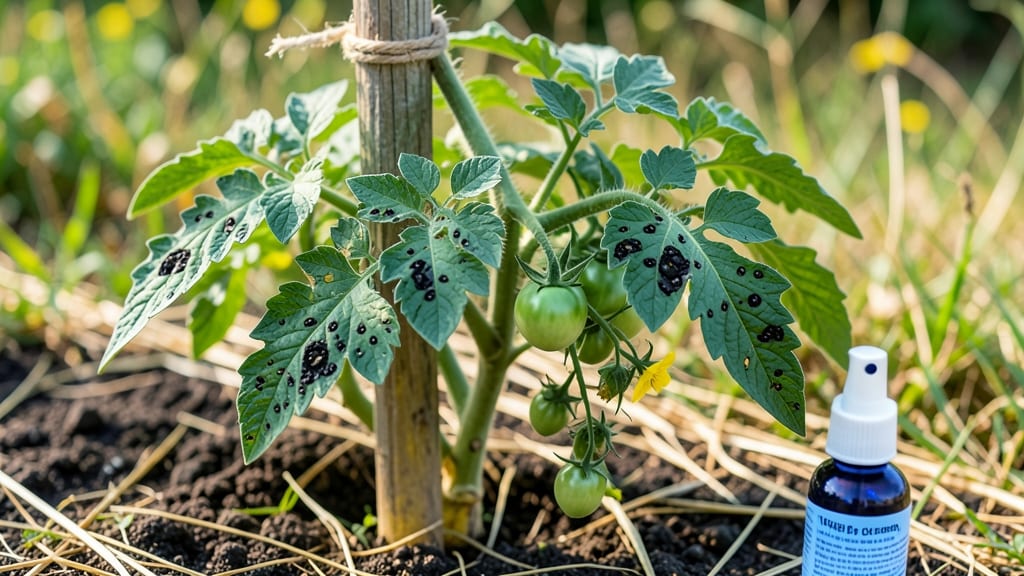
When your tomato leaves have black spots, your plants are already battling a silent but treatable crisis—one you can reverse with the right, fast-acting solutions. 🌱 I’ve saved dozens of tomato plants from this exact problem using simple, non-toxic fixes that outperform store-bought sprays.
The key is acting early and targeting the root cause, whether it’s fungal pressure, poor airflow, or overwatering. The spots look like tiny bullseyes or greasy stains? That’s your first clue. Early blight starts at the lower leaves, while late blight spreads fast with dark, water-soaked patches.
Yellowing leaves or wilting stems? Your plants are begging for help. The good news? Household items like baking soda, neem oil, and copper fungicide can turn things around in just a few days—if you catch it soon enough.
You’ll restore those leaves to vibrant green in under a week with the right treatment. The secret is combining preventive care (like pruning for airflow) with targeted sprays.
By the time your next harvest rolls around, your plants will be stronger than ever—and those black spots will be a distant memory.
Here’s the game-changer: most gardeners waste time guessing the cause. Skip the confusion and focus on the 4-step rescue plan that works for early blight, late blight, and even environmental stress.
No fancy tools needed—just a spray bottle, a little patience, and the right mix of organic solutions. Your tomatoes will thank you at harvest time.
Root Causes Of Black Spots
Black spots on tomato leaves aren’t just unsightly—they’re a plant’s cry for help. Understanding the why behind these blemishes is the first step to saving your harvest. Below, we break down the most common culprits, from invisible invaders to environmental stressors, and explain how they trigger those telltale dark marks.
Fungi like early blight (Alternaria solani) and late blight (Phytophthora infestans) are the #1 cause of black spots on tomato leaves. Here’s how they strike:
- Spores spread via water: Fungal spores hitchhike on rain, overhead irrigation, or even dew. When conditions are humid (above 75% humidity) and temperatures hover between 60–80°F (15–27°C), spores germinate and penetrate leaf tissue through natural openings like stomata.
- Concentric rings = early blight: This fungus creates target-like lesions with dark edges and light centers. It thrives in warm, dry conditions and often starts on lower leaves, working its way up.
- Oily, greasy spots = late blight: This aggressive pathogen causes dark, water-soaked patches that spread rapidly in cool, wet weather. It can destroy a plant in days if untreated.
- Crowded plants fuel outbreaks: Poor air circulation traps moisture, giving fungi the perfect breeding ground. Prune regularly to improve airflow!
💡 Pro Tip: Late blight is especially dangerous because it can jump to potatoes—a nightshade relative. If you spot it, isolate infected plants immediately.
Not all black spots are fungal. Tiny pests like aphids, spider mites, and tomato hornworms can leave behind dark, necrotic marks as they feed. Here’s how:
- Aphids and mites: These sap-suckers inject toxins while feeding, causing yellowing between leaf veins that later turns brown or black. Heavy infestations weaken the plant, making it susceptible to secondary infections.
- Hornworms and beetles: Chewing pests leave irregular, jagged holes with blackened edges from plant sap exposure. Look for frass (insect droppings) or eggs on the undersides of leaves.
- Birds and deer: Yes, even wildlife can cause blackened spots by pecking or rubbing against leaves, exposing tissue to bacteria.
🔍 Spot the Difference: Pest damage often has ragged edges or visible holes, while fungal spots are usually smooth and circular.
Water is a double-edged sword for tomatoes. Overwatering or poor drainage can lead to black spots through:
- Overhead watering: Splashing water onto leaves spreads fungal spores like wildfire. Drip irrigation or soaker hoses keep foliage dry.
- Root rot: Phytophthora and Pythium fungi thrive in waterlogged soil, causing roots to decay. Blackened, mushy leaves follow as the plant starves.
- Mineral buildup: Hard water with high calcium or magnesium can leave crusty, black deposits on leaves. Flush soil with rainwater to dilute salts.
- Drought stress: While less common, severe underwatering can cause leaf scorch—edges turn brown and crispy, then darken.
🌡️ Ideal Watering: Keep soil consistently moist but not soggy. Stick your finger 1–2 inches deep; if it’s dry, water deeply.
Sometimes, black spots are a reaction to external stressors:
- Heat stress: Temperatures above 90°F (32°C) can cause sunscald, where leaves develop brown, necrotic patches from excessive sunlight. Provide shade cloth in peak afternoon sun.
- Chemical burns: Over-fertilizing with high-nitrogen or salt-based fertilizers can scorch leaves, turning edges black. Always follow label rates and water after applying.
- Herbicide drift: If you’ve sprayed weed killer nearby, tomatoes (being nightshades) are highly sensitive. Blackened, curled leaves may appear within days.
- Poor air quality: Urban pollution or high ozone levels can cause interveinal chlorosis (yellowing between veins) that progresses to black spots.
💡 Quick Fix: Move potted tomatoes away from streets or smoky areas if you suspect air pollution.
Now that you know the why, the next step is action. [Link to the "4-Step Rescue Guide" section] to turn those black spots into a thing of the past—using only what’s in your pantry!
Fixing Black Spots on Tomato Leaves
Now that you know the culprits behind those pesky black spots on your tomato leaves—whether it’s fungal diseases, pests, or environmental stress—it’s time to roll up your sleeves and get your plants back in fighting shape! 🌱💪 Below are practical, step-by-step solutions tailored to each cause, plus tips to keep your tomatoes thriving long-term.
Fix: Act fast—fungi spread like wildfire, but these household remedies can help!
🔥 Remove Infected Leaves Immediately
- How: Snip off leaves with black spots using clean scissors or pruners.
Dispose of them in the trash (not compost!) to prevent reinfection. - Pro Tip: 💡 Sterilize your tools with rubbing alcohol (70% or higher) before and after pruning to avoid spreading spores.
🍳 Homemade Fungicide Spray
Mix 1 quart of water + 1 tbsp baking soda + 1 tbsp vegetable oil + a drop of dish soap.
Stir well and spray both sides of leaves in the morning (fungicides work best when dry). Reapply every 5–7 days until new growth appears.
🌡️ Improve Airflow & Watering Habits
- Space plants 18–24 inches apart to reduce humidity buildup.
- Water at the base (not overhead) in the early morning so leaves dry quickly.
- Mulch with straw or grass clippings to keep soil moist but prevent splashing.
🎯 Copper-Based Fungicide (Store-Bought Boost)
For severe cases, use copper fungicide (like Bonide Copper Fungicide) as directed. It’s non-toxic to humans but deadly to fungi.
Fix: These tiny troublemakers weaken leaves, making them susceptible to black spots. Kick them to the curb with these tricks!
👨🍳 Blast Them Off with Water
- How: Spray leaves forcefully with water from a hose (early morning works best). Repeat every 2–3 days until pests vanish.
- Pro Tip: 🔥 Add a few drops of neem oil to the water for extra pest-repelling power.
🥘 Neem Oil Spray (Natural Pest Repellent)
Mix 1 tsp neem oil + 1 tsp mild soap + 1 quart water. Shake well and spray all plant surfaces (avoid flowering tomatoes if you want to attract pollinators). Reapply every 5–7 days.
🔪 Introduce Beneficial Insects
Ladybugs, lacewings, and predatory mites love munching on pests. Buy them online or attract them with dill or fennel plants nearby.
⏰ Quarantine New Plants
Before adding new plants to your garden, inspect and isolate them for 2 weeks to prevent hitchhiking pests.
Fix: Sometimes, black spots are just your tomatoes screaming, “I’m stressed!” Here’s how to calm them down.
💡 Adjust Watering Routine
- Signs of overwatering: Yellowing leaves, mushy stems, or black spots with a foul smell.
- Fix: Let the top 1–2 inches of soil dry out between waterings.
Use a moisture meter if unsure. - Signs of underwatering: Crispy edges, wilting, or blackened leaf tips. - Fix: Water deeply 1–2 times per week (more in extreme heat).
🌿 Provide Shade in Extreme Heat
If temperatures hit 90°F+ (32°C+), use shade cloth (30–50%) or a lightweight row cover during peak sun hours (11 AM–3 PM).
🧴 Check for Chemical Burns
- Symptoms: Black spots with irregular edges, often on newer growth.
- Fix: Flush soil with water to dilute residues. Avoid fertilizers with high salt content (like synthetic nitrogen-heavy mixes). Switch to organic compost tea for nutrients.
🎯 Boost Soil Health
Amend soil with compost or worm castings to improve drainage and nutrient uptake. Test soil pH—tomatoes prefer 6.0–6.8.
Once your tomatoes are back in shape, lock in their health with these habits:
- Rotate crops every year to prevent soil-borne diseases.
- Plant disease-resistant varieties (like ‘Mountain Merit’ or ‘Celebrity’ tomatoes).
- Monitor leaves weekly—catch problems early!
- Encourage strong growth with balanced fertilizer (10-10-10 or compost).
- Harvest regularly—ripe tomatoes = less stress on the plant.
With these fixes, your tomato plants should bounce back in 1–2 weeks (or less if you catch it early!). 🍅✨ Keep an eye on them, and soon you’ll be feasting on spot-free, juicy tomatoes all season long.
Frequently asked questions
Are black spots on tomato leaves always caused by disease?
No! While fungal infections like early or late blight are common causes, black spots can also result from pest damage (aphids, mites, or hornworms), environmental stress (heat scorch or chemical burns), or even mineral buildup from hard water. Always check for ragged edges (pests) or concentric rings (fungi) to narrow it down.
Can I still harvest tomatoes if the leaves have black spots?
Yes, but focus on fruits that are already ripe or near-ripe. Avoid eating tomatoes from plants with late blight (dark, greasy spots) since the fungus can spread to the fruit. For other issues like early blight or pest damage, healthy tomatoes are usually safe to harvest—just treat the leaves first to protect future yields.
How often should I spray homemade fungicide on tomato plants?
Apply your baking soda or neem oil spray every 5–7 days until new growth appears. For prevention, spray once every 2 weeks during humid weather. Always apply in the early morning so leaves dry quickly—this helps prevent fungal spores from taking hold.
Will pruning tomato leaves with black spots help or hurt my plant?
Pruning is essential—remove infected leaves immediately to stop the spread of disease and improve airflow. Just avoid over-pruning (never remove more than 25% of the plant at once). Sterilize your tools with rubbing alcohol between cuts to prevent cross-contamination.
Can black spots on tomato leaves spread to other plants in my garden?
Fungal spores (like those from early or late blight) can travel via wind, water, or tools. Isolate infected tomato plants by at least 3 feet and avoid composting diseased leaves. For extra protection, spray nearby plants with a preventative fungicide like copper or neem oil.