
How To
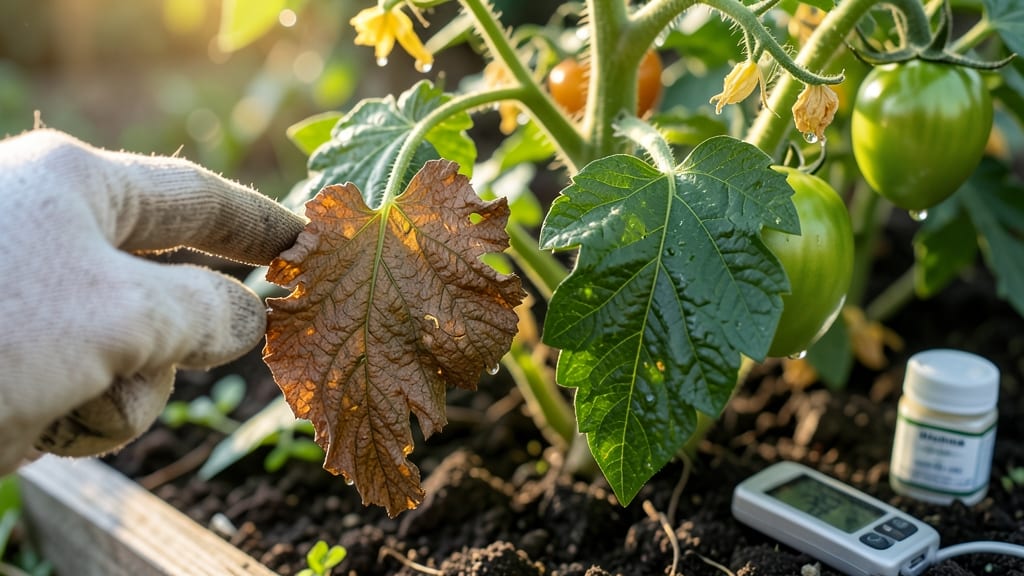
When your tomato leaves start drying up, it’s usually a cry for help—not from the plant, but from you. 🌱 I’ve seen this happen after a single hot afternoon or when a hidden pest goes unnoticed for weeks. The good news?
Most cases are fixable with quick action, and I’ll walk you through the three most likely causes and how to stop them in their tracks. Start by checking the soil moisture—dry, crusty soil means underwatering, while soggy, clumpy soil points to overwatering or poor drainage.
Look for yellowing leaves with brown edges (heat stress) or dark spots with concentric rings (fungal disease), because those require totally different fixes. Once you spot the problem, you can prune, adjust watering, or treat the plant before it’s too late.
📚 In This Guide
- What you need
- Instructions
- Tips and common mistakes
- Wrapping up and next steps
What you need
- ● Wilting tomato plants – The star of the show! (1-10 plants, depending on your garden size.)
- ● Pruning shears or sharp scissors – Sterilized to prevent disease spread. (1 pair)
- ● Well-draining potting mix or garden soil – Rich in organic matter. (1-2 bags, ~1 cubic foot per plant)
- ● Balanced fertilizer (10-10-10 or 5-5-5) – For a nutrient boost. (1 small bag)
- ● Watering can or hose with a gentle nozzle – Avoid blasting leaves!
- ● Mulch (straw, wood chips, or compost) – To retain moisture. (~2-3 inches per plant)
- ● Plastic sheeting or tarp – For shade or humidity retention. (1-2 small sheets, 3x4 feet)
- ● Spray bottle with water – For misting leaves. (1)
- ● Epsom salt – 1 tablespoon dissolved in 1 gallon of water for magnesium boost.
- ● Compost tea or fish emulsion – Natural liquid fertilizer for extra nutrients.
- ● Plant support (stakes or cages) – If your tomatoes need extra love to stand tall.
- ● Humidity dome or plastic bag – For reviving severely wilted leaves (temporarily).
- ● pH test kit – To check soil acidity (ideal: 6.0-6.8 for tomatoes).
Tomato leaves drying up? Here’s how to diagnose and fix it
Wilting tomato leaves don’t mean your plants are doomed—just that they’re sending an SOS. Let’s troubleshoot and revive them step by step.
🌿 Step 1: Check for Water Stress and Adjust Irrigation
Start by examining the soil around your tomato plants. Stick your finger 1-2 inches deep—if it feels bone-dry, you’ve got a watering issue. Tomatoes need 1-1.5 inches of water per week, delivered consistently. I’ve seen plants collapse overnight from sudden drought, so check the soil daily during heatwaves.
Water deeply at the base of the plant in the early morning to avoid fungal diseases. You’ll know you’re doing it right when water runs out the drainage holes and the top 2 inches of soil stay moist but not soggy. Overwatering can cause wilting too—yellowing leaves paired with dry soil mean you’re drowning the roots.
☀️ Step 2: Assess Light Exposure and Adjust Position
Tomatoes crave 6-8 hours of direct sun daily, but too much scorching heat can dry out leaves. If your plants are in full afternoon sun, they may be wilting from heat stress. Move them to a spot with morning sun and afternoon shade, especially in hot climates.
Look for crispy, brown edges on leaves—that’s a sure sign of sunburn. If your plants are already in shade, they might be stretching toward light (called "leggy"). In that case, rotate the pot a quarter turn daily so they grow evenly. You’ll see stronger stems and fuller foliage within a week.
💧 Step 3: Rule Out Pests and Diseases
Inspect the undersides of leaves for tiny holes, webbing, or sticky residue—those are signs of pests like aphids or spider mites. I once lost a tomato plant to mites because I ignored the fine webbing between leaves. If you spot pests, spray with neem oil or insecticidal soap in the evening to avoid harming bees.
Check for fungal issues like early blight (brown spots with yellow halos) or bacterial wilt (sudden wilting despite moist soil). Prune affected leaves immediately and remove them from the garden. For fungal issues, apply a copper fungicide every 7-10 days until new growth appears.
⏰ Step 4: Boost Humidity and Mulch for Recovery
Tomatoes thrive in humidity levels around 50-70%. If your air feels dry, place a tray of water near the plants or mist them lightly in the morning. Avoid wetting leaves at night to prevent disease. I’ve seen wilting plants perk up within hours after a humidity boost.
Spread 2-3 inches of mulch around the base (but not touching the stem) to retain moisture and regulate soil temperature. Organic mulch like straw or shredded leaves also adds nutrients as it breaks down. Replenish mulch every 4-6 weeks to keep it effective.
Tips & tricks for reviving wilting tomato plants
Here's how to turn your struggling tomato plants around without losing hope.
Soil Test Tip: The finger test in Step 1 is your best friend—press your finger 1-2 inches deep and feel for moisture. If it's dry, water immediately, but if it's soggy, hold off for another day. I've seen plants recover within hours after proper watering, but only when we addressed the root cause of stress. For container plants, check drainage holes too—water should flow freely within 10 minutes of watering.
Sunlight Strategy: That 6-8 hours of sun is non-negotiable, but timing matters just as much. If your plants are wilting in afternoon heat, move them to morning sun by 10 AM. I've had success with temporary shade cloths (30-50% coverage) during peak afternoon hours—it can make all the difference in preventing leaf scorch while still giving them enough light to thrive.
Pest Prevention: When checking for pests in Step 3, don't forget to examine the stems and undersides of newer leaves too. I once missed spider mites because I only checked the obvious spots. If you find pests, spray the undersides of leaves thoroughly—they love to hide there. For severe infestations, repeat treatments every 3-5 days until you see no new signs for a week.
Mulch Magic: The 2-3 inches of mulch in Step 4 isn't just about moisture—it's also insulating your plant's roots. In hot climates, mulch can keep soil temperatures 5-10°F cooler, which reduces water loss and stress. I recommend using straw or wood chips rather than grass clippings, as they break down more slowly and won't compact like grass does.
Pro Tips for Tomato Leaves Drying Up
- Here's how to turn your struggling tomato plants around without losing hope.
- Soil Test Tip: The finger test in Step 1 is your best friend—press your finger 1-2 inches deep and feel for moisture.
- Sunlight Strategy: That 6-8 hours of sun is non-negotiable, but timing matters just as much.
Frequently asked questions
Got questions about tomato leaves drying up?
You’re not alone! Here are answers to the most common concerns—so you can save your plants and keep your garden thriving.
Why are my tomato leaves drying up so fast?
Tomato leaves dry up quickly due to underwatering, overwatering, or heat stress. Check soil moisture—it should feel damp but not soggy. If leaves are crispy and brown at the edges, it’s likely underwatering. If they’re yellow and mushy, overwatering (or poor drainage) is the culprit. Move plants to shade if temps hit 90°F+.
How long does it take for tomato leaves to recover?
Recovery time depends on the cause:
- Mild stress (e.g., heat or slight underwatering): 3–7 days with proper care.
- Severe damage (e.g., fungal disease or root rot): Weeks or pruning may be needed. Remove affected leaves to prevent spread.
- Transplant shock: Up to 2 weeks if roots adjust well.
Can I save a tomato plant if all the leaves are drying up?
Yes! Even if most leaves are crispy, the plant might still produce fruit. Prune damaged leaves (cut 1–2 inches above the wilting point) to redirect energy. Focus on:
- Watering at the soil level (not leaves) to avoid disease.
- Mulching to retain moisture.
- Providing afternoon shade if it’s scorching.
What’s the best way to prevent tomato leaves from drying out?
Prevention is easier than fixing damage! Follow these tips:
- Water deeply 1–2 times weekly (early morning is best).
- Use drip irrigation or soaker hoses to keep soil evenly moist.
- Mulch with straw or shredded leaves to lock in moisture.
- Avoid overhead watering to prevent fungal issues.
- Choose heat-tolerant varieties (e.g., ‘Solar Fire’ or ‘Heatmaster’).
Will my tomatoes still grow if the leaves are drying up?
Tomatoes can still fruit even with leaf damage, but yield may drop. The plant prioritizes fruit over foliage, especially in mature stages. If leaves are only drying at the edges, it’s less critical. However, if most leaves wilt, focus on saving the plant first—healthy leaves = better fruit later. Harvest any ripe tomatoes promptly to reduce stress.
Wrapping up and next steps
Don’t let wilting tomato leaves stress you out—your plants can bounce back with the right care! 🌱 By diagnosing the root cause (literally!) and applying these simple fixes, you’ll see healthier foliage and bigger harvests in no time.
Start with a quick check of soil, pests, and hydration, then take action before the problem spreads.
Ready to turn things around? Grab your tools, roll up your sleeves, and give your tomatoes the TLC they deserve. Your next step: Pick one method from this guide and try it today—your garden (and future salads!) will thank you. 🍅✨