
Vegetables
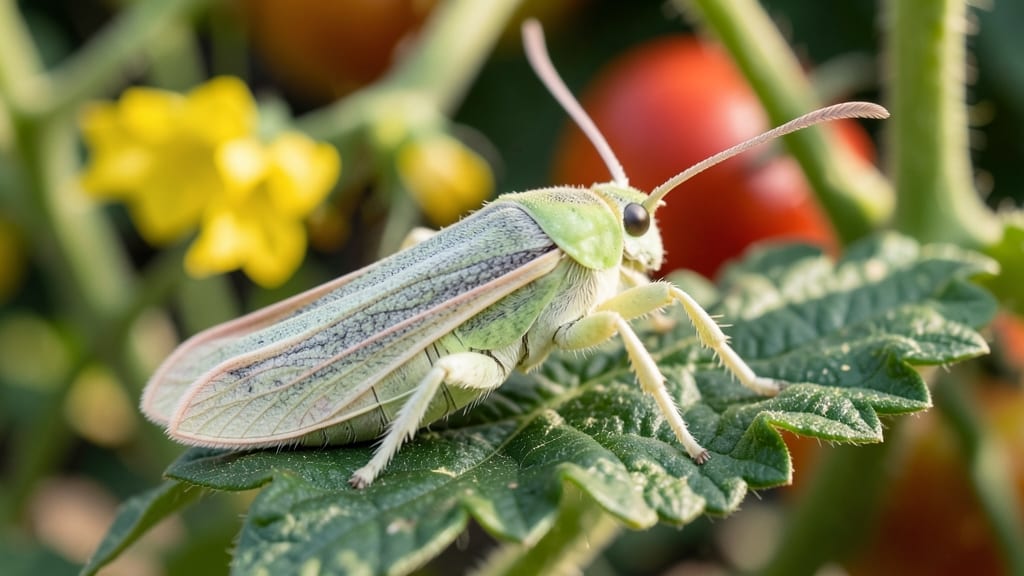
The tomato hornworm moth’s larvae can devour your plants overnight—unless you know these foolproof control secrets. ✨ I’ve lost entire tomato plants to these striped bandits, but now my harvest thrives with just a few strategic moves.
First, spot them early: Look for 3-4 inch green caterpillars with white stripes and horn-like protrusions. They hide on undersides of leaves during the day, so check regularly. Handpicking works, but it’s a race against time—these guys grow fast.
Next, invite their natural enemies: Braconid wasps lay eggs in hornworms, killing them from the inside. Plant dill, fennel, or parsley nearby to attract them. For extra protection, spray neem oil or Bt (Bacillus thuringiensis)—both are organic and safe for your plants.
With these tricks, your tomatoes will stay healthy and productive all season. No more midnight snacking by these hungry pests!
Nature’s Unseen Invaders Explained
Those voracious tomato hornworms—larvae of the Manduca sexta moth—don’t just appear out of nowhere. Their presence in your garden is the result of a mix of environmental triggers, plant chemistry, and even human activity.
Understanding these causes is the first step to outsmarting them. Let’s break down why these caterpillars turn your tomato plants into their personal buffet.
Tomato hornworms have a serious taste for nightshades, and tomatoes are their favorite. But why? These caterpillars are drawn to plants rich in alkaloids—natural compounds that act as both nutrients and defensive toxins.
Tomatoes, along with peppers, eggplants, and potatoes, produce these compounds, making them irresistible to hornworm larvae. The more lush and healthy your tomato plants, the more appealing they become to these pests.
Key triggers:
- 🌿 Volatile organic compounds (VOCs): Healthy tomato plants release scents that moths detect from miles away.
- 🍅 High nitrogen content: Fertilizer-rich soil boosts plant growth—and hornworm appetites.
- 🌞 Sun exposure: Warmer, sunnier plants grow faster, providing a faster food source for hungry larvae.
Actionable tip: If you’re growing tomatoes in high-risk areas, consider intercropping with less appealing plants like basil or marigolds to disrupt their scent trails. 🌿
The adult tomato hornworm moth is a master of timing. These moths emerge in late spring to early summer, aligning perfectly with tomato flowering and fruiting seasons. Their migration is influenced by:
| Factor | Why It Matters |
|---|---|
| 🌡️ Temperature | Warm nights (above 70°F) trigger mating and egg-laying. Cooler regions may see delayed outbreaks. |
| 🌧️ Rainfall | Moisture softens plant tissue, making it easier for newly hatched larvae to chew through leaves. |
| 🌙 Moonlight | Moths use the moon’s glow to navigate; full moons can increase mating activity. |
Pro tip: Monitor local moth activity reports (many extension services track them). If your area is in a known migration corridor, be extra vigilant in May-July. 📅
Hornworms thrive in dense, unmanaged gardens. Here’s why:
- 🍅 Less competition: Without predators (like birds or parasitic wasps) or competing pests, hornworms face little resistance.
- 🌿 Hidden foliage: Tall, bushy tomato plants provide ideal camouflage for larvae, making them hard to spot until damage is severe.
- 🚫 Lack of diversity: Gardens with only nightshade plants offer a monoculture feast, attracting more moths than mixed vegetable plots.
Solution: Prune tomato plants to improve airflow and visibility. Remove lower leaves that touch the soil (a favorite egg-laying spot for moths). 🌱✂️
Adult tomato hornworm moths don’t just land randomly—they’re drawn to specific chemical signals from tomato plants:
- 🔬 Floral nectar: Moths are attracted to the sweet nectar of tomato flowers, which they sip before laying eggs nearby.
- 🍃 Damaged plant scent: Once a few hornworms start feeding, they release pheromones that call more moths to the area (a phenomenon called mass trapping).
- 🌿 Young leaf aroma: New growth emits volatile compounds that signal "fresh food" to foraging moths.
Defense strategy: Use yellow sticky traps near tomato plants to intercept adult moths before they lay eggs. 🎯🐛
Believe it or not, gardening practices can inadvertently invite hornworms:
- 🌱 Over-fertilizing: Excess nitrogen makes plants soft and nutrient-rich, a hornworm’s dream.
- 💧 Overwatering: Damp soil encourages egg survival and attracts slugs that compete with hornworm predators.
- 🚫 Ignoring early signs: Small holes in leaves or frass (caterpillar poop) are often dismissed until the damage is catastrophic.
- 🛒 Buying infested plants: Nursery-grown tomatoes may already host hornworm eggs or larvae.
Fix it: Use balanced fertilizers (low in nitrogen) and inspect new plants thoroughly before transplanting. 🕵️♂️🌱
Simple Fixes for Garden Pests
Discovering large, green caterpillars munching on your tomato plants can be alarming, but don’t worry—there are practical, eco-friendly ways to reclaim your garden. Below, we’ll tackle the most common causes of these pests and match them with actionable solutions.
Whether you’re dealing with an overwhelming infestation or just want to prevent future attacks, these steps will help you protect your harvest without harsh chemicals.
If you catch the problem early, a hands-on approach is often the most effective. Tomato hornworms are easy to spot—they’re big, green, and fast—so act quickly before they devour your plants.
- 👨🍳 Scan your plants daily: Check the undersides of leaves and stems, especially in the morning when dew makes them sluggish.
- 🔪 Drop them in soapy water: Grab the worm by the head (use gloves if you’re squeamish) and submerge it in a bucket of soapy water to kill it instantly.
- 🐛 Relocate to a far-away garden: If you prefer not to kill them, release them in a garden where they won’t cause harm (like a wildflower patch).
Pro Tip: 💡 Bring a small container or jar with you while gardening—it makes disposal easier and prevents escapes!
Instead of fighting tomato hornworms alone, enlist the help of their natural enemies. Many beneficial insects and animals will happily police your garden for free.
| Predator | How to Attract Them | What They Eat |
|---|---|---|
| Parasitic Wasps | Plant dill, fennel, or parsley—they love these flowers. | Hornworm larvae (they lay eggs inside) |
| Ladybugs | Avoid pesticides; plant marigolds or yarrow to lure them. | Aphids, but they’ll snack on small pests too. |
| Praying Mantises | Leave some wild grasses or shrubs near your garden. | Hornworms, beetles, and other insects. |
| Birds | Install a bird feeder or bath to encourage visits. | Adult moths and larvae. |
Pro Tip: 🌡️ If you see tiny white cocoons on a hornworm’s back, don’t squish it—that’s a parasitic wasp pupa! Leave it be and let nature take its course.
If manual removal isn’t enough, organic sprays can create a protective shield around your plants. These options are non-toxic to humans and pets but still deter pests.
- 🍳 Spicy Pepper Spray:
- Mix
- Spray directly on leaves (reapply after rain).
- The capsaicin irritates their mouthparts, making them lose interest.
- Combine 2 tbsp neem oil + 1 tsp mild soap + 1 quart water.
- Spray on both sides of leaves in the evening (avoid direct sun).
- Disrupts their feeding and growth cycles.
- Blend
Pro Tip: ✨ Always test sprays on a small leaf first—some plants (like basil) are sensitive to oils.
The best defense is a healthy, resilient garden that pests avoid. Implement these habits to keep tomato hornworms at bay year-round.
- 🌿 Rotate crops: Avoid planting tomatoes in the same spot every year—this confuses moths looking for familiar scents.
- 🍅 Use row covers: Lightweight fabric covers (like floating row covers) block adult moths from laying eggs.
- 🌙 Plant companion flowers: Basil, marigolds, or nasturtiums mask tomato scents and repel moths.
- 🌱 Encourage biodiversity: A garden with varied plants, flowers, and herbs supports predator populations naturally.
- 🕒 Prune strategically: Remove damaged or yellowing leaves—they attract egg-laying moths.
Pro Tip: 🎯 Interplant tomatoes with basil—its scent confuses hornworms and deters them from settling in.
With these methods, you’ll not only save your tomato plants but also create a balanced, thriving garden ecosystem. The key is consistency and early action—so grab your gloves, spray bottle, and get ready to protect your harvest the natural way! 🌱🍅
Frequently asked questions
What do tomato hornworm moth eggs look like?
Tomato hornworm eggs are tiny, greenish-white ovals about 1/16-inch long. They’re usually laid singly on the undersides of leaves, often near leaf veins. Look closely—you’ll spot them as small, translucent specks that turn green as they mature.
How fast do hornworms grow?
These caterpillars grow astonishingly fast—up to 1 inch per day under ideal conditions! A newly hatched larva starts at 1/4-inch but can reach 3-4 inches in just 2 weeks. Their rapid growth means early detection is critical to saving your plants.
Are tomato hornworms harmful to humans?
No, they’re completely harmless to humans! While their size and appearance might be alarming, tomato hornworms are plant-eaters only. They don’t bite, sting, or carry diseases. The only risk is accidentally touching their tiny spines (which can cause mild irritation if handled roughly).
Can I use coffee grounds to repel tomato hornworms?
Coffee grounds won’t directly repel hornworms, but they can help indirectly! Sprinkle them around your tomato plants to deter adult moths (the coffee scent masks tomato aromas) and improve soil health. For better results, combine with other methods like neem oil or handpicking.
Why do I keep seeing hornworms even after removing them?
You’re likely dealing with a new generation—each female moth lays 500-2,000 eggs! If adult moths keep finding your garden, they’ll keep laying eggs. Focus on preventing moths (row covers, sticky traps) and attracting predators (parasitic wasps, birds) to break the cycle.