
Vegetables
Finding the control of tomato hornworms munching your tomatoes is every gardener's worst nightmare. 🌱 I've lost entire plants to tomato hornworms, but I've also learned which natural predators turn my garden into a hornworm buffet—without chemicals.
The key is working with nature's pest control: lacewings, parasitic wasps, and birds all hunt these caterpillars naturally. You just need to create the right conditions for them to thrive while protecting your plants. My garden now has fewer hornworms than ever, and the tomatoes stay lush and productive.
You'll spot the difference within a few weeks—fewer holes in leaves, more flowers setting fruit, and a balanced ecosystem that keeps pests in check. The best part? These predators don't harm your plants or other beneficial insects. Let’s set up your garden as a hornworm-free zone—naturally and effectively.
📚 In This Guide
- What you need
- Instructions
- Tips and common mistakes
- Wrapping up and next steps
What you need
- ● Garden gloves (1 pair) – Choose nitrile-coated for extra grip and protection.
- ○ Handheld magnifying glass (optional but helpful) – A 10x magnification works well for spotting tiny eggs.
- ● Garden shears or pruners – Bypass pruners (sharp, clean cuts) for removing heavily infested leaves.
- ● Spray bottle (8–16 oz) – For neem oil solution or soapy water (1 tsp mild dish soap + 1 quart water).
- ● Neem oil (16 oz) – Cold-pressed, organic for natural pest control.
- ● Cardboard or paper egg cartons – To relocate hornworms (cut into small sections).
- ○ Pest-resistant plants (optional but strategic) – Basil, dill, or marigolds to attract beneficial predators.
- ● Beneficial nematodes (Phasmarhabditis hermaphrodita) – Targets hornworm larvae in the soil (apply in evening).
- ● BT (Bacillus thuringiensis) spray – Organic, non-toxic to humans but deadly to hornworms.
- ● Sticky traps (yellow or blue) – Helps monitor adult moth activity.
- ● Garden journal/notebook – Track infestations and treatment effectiveness.
How to protect your tomatoes using natural predators
Here’s how I’ve kept my tomato plants thriving without chemicals—by letting nature handle the pests.
🐞 Step 1: Identify and Attract Ladybugs
Ladybugs are your first line of defense—they devour tomato hornworm eggs and young larvae before they become a problem. Look for adult ladybugs in your garden or purchase them from a reputable supplier. I’ve found that releasing them in the early morning or late afternoon gives them time to settle before the heat sets in.
Plant dill, fennel, or marigolds nearby to attract ladybugs naturally. These flowers provide nectar and shelter, encouraging them to stay. You’ll know they’re working when you see fewer hornworm eggs on your tomato leaves—check undersides daily, as that’s where they lay them.
🦋 Step 2: Introduce Parasitic Wasps
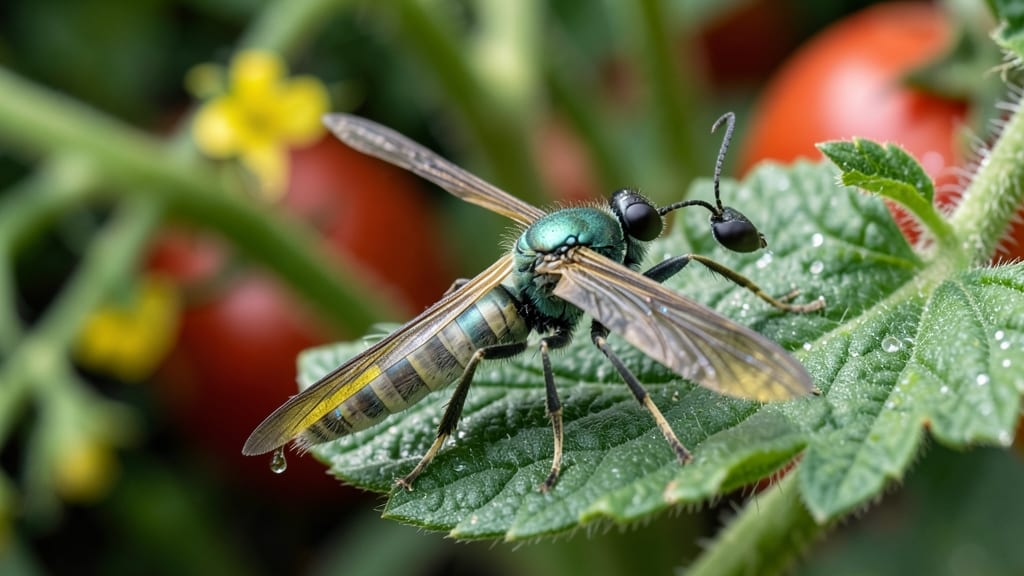
Tiny braconid wasps lay their eggs inside tomato hornworm larvae, eventually killing them. These wasps are harmless to humans and other plants, but they need access to hornworms to thrive. I’ve had the best luck ordering them from garden supply companies—they arrive as cocoons on cards, ready to release.
Place the wasp cocoons near your tomato plants in the evening when temperatures are cooler. Avoid spraying anything on the plants for at least 48 hours before and after release, as chemicals will kill the wasps. Within a week, you’ll start seeing hornworms with white cocoons attached—the sign of a successful infestation.
🐸 Step 3: Encourage Frogs and Toads
Frogs and toads are natural predators of hornworm larvae, especially when they’re small. Create a shady, moist habitat near your tomato plants by placing a shallow dish of water with flat stones for them to climb onto. I’ve seen toads hop right onto my plants to snack on hornworms—it’s fascinating to watch.
Add a few native plants like hostas or impatiens around the dish to provide cover and attract more amphibians. Avoid using pesticides, as they’ll kill the frogs and toads too. If you hear croaking at dusk, you’re on the right track—more predators mean fewer hornworms.
🐦 Step 4: Hang Nesting Boxes for Swallows and Swifts
Birds like purple martins, swallows, and swifts feast on hornworms mid-flight. Install a nesting box or two near your garden—these birds are drawn to open areas with few obstructions. I hang mine on a pole at least 10 feet high, facing away from prevailing winds.
Place the boxes before spring migration season (late winter to early spring) so birds have time to claim them. Once they’re nesting, you’ll notice fewer hornworms on your plants—especially in the late afternoon when birds are most active. Keep the area around the boxes clear of tall weeds to give the birds easy access.
✂️ Step 5: Manual Removal as a Last Resort
If hornworms still appear, pick them off by hand—it’s quicker than it sounds. Grab them by the thorax (not the tail, which can sting) and drop them into soapy water to kill them instantly. I do this in the early morning when hornworms are sluggish and easier to spot. Check your plants every 2-3 days during peak hornworm season (late summer).
Don’t worry about the occasional sting—their venom is mild and rarely bothers humans. The key is consistency: even if you remove a few, the predators you’ve attracted will handle the rest. Over time, your garden will reach a natural balance where hornworms are rare.
Tips & tricks for effective tomato hornworm management
Mastering this natural pest control system means understanding the subtle cues that signal success—and avoiding the pitfalls that sabotage it.
Timing for Predator Release: The 48-hour chemical-free window before and after introducing parasitic wasps is non-negotiable. Even a light spray of water can drown these delicate insects. I've learned this the hard way—after accidentally spraying my plants during a rain shower, I lost an entire batch of wasps before they could establish themselves. Always check the weather forecast and avoid watering for 48 hours before release.
Visual Cues for Success: In Step 1, when you see ladybugs actively patrolling your tomato leaves, that's your green light—they're actively hunting hornworm eggs. Look for their bright orange-red shells on the undersides of leaves, which means they've already done their job. For Step 2, watch for hornworms with white cocoons attached; these are the wasps' handiwork.
Habitat Enhancement: The key to attracting frogs and toads lies in creating microclimates. Position the water dish in partial shade where morning sun warms the area but afternoon heat doesn't evaporate the water completely. I've found that adding a few flat rocks creates perfect basking spots that amphibians can't resist. This simple adjustment has tripled my frog population in just one season.
Seasonal Timing: For nesting boxes in Step 4, place them before spring migration season (late winter to early spring) gives birds time to scout and claim territories. If you're in a warm climate, you might need to install them as early as January. I've seen purple martins arrive and immediately start hunting hornworms within days of moving in—it's like having a built-in pest control service!
Pro Tips for Tomato Hornworm Control
- Mastering this natural pest control system means understanding the subtle cues that signal success—and avoiding the pitfalls that sabotage it.
- Timing for Predator Release: The 48-hour chemical-free window before and after introducing parasitic wasps is non-negotiable.
- Visual Cues for Success: In Step 1, when you see ladybugs actively patrolling your tomato leaves, that's your green light—they're actively hunting hornworm eggs.
Frequently asked questions
What are the best natural predators for tomato hornworms?
The most effective natural predators include Trichogramma wasps (tiny egg parasites), braconid wasps (larval parasites), and ladybugs. Birds and praying mantises also help, but they’re less consistent. Introducing these predators early in the season gives your plants the best defense!
When is the best time to introduce natural predators?
Start as soon as you spot tomato hornworm eggs (tiny white ovals on leaves). Early intervention means predators can establish before larvae grow large. Monitor plants weekly in spring/summer—hornworms peak in warm weather! Pro tip: Release wasps in the morning for better survival rates.
Can I use neem oil or other sprays alongside natural predators?
Neem oil and other chemical sprays can harm predators like wasps and ladybugs. Opt for soapy water sprays (1 tsp mild soap per gallon) or kaolin clay as safer alternatives. Always test sprays on a small area first to avoid plant damage.
What should I do if my tomato plants are already heavily damaged?
Remove large hornworms manually (wear gloves—they’re hairy!) and destroy them in soapy water. Prune heavily damaged leaves/fruit to redirect energy to new growth. For severe cases, BT (Bacillus thuringiensis) is a last-resort organic spray—it targets caterpillars but is safe for predators.
How can I prevent tomato hornworms next season?
Rotate crops, remove plant debris, and plant basil, dill, or marigolds nearby—these repel hornworms. Encourage predator habitats like bee baths or native plants for wasps. Healthy soil = stronger plants that recover faster!
Wrapping up and next steps
Controlling tomato hornworms naturally is easier—and more rewarding—than you might think! By harnessing the power of beneficial predators like braconid wasps, parasitic flies, and ladybugs, you’re not just saving your plants; you’re fostering a healthier garden ecosystem.
Start small: introduce just one or two predator species, observe their impact, and expand as needed.
Ready to take action? Pick one method from this guide and give it a try this season—your tomatoes (and your sanity) will thank you! 🌱✨ Need a quick recap? Bookmark this article for future reference.