
Vegetables
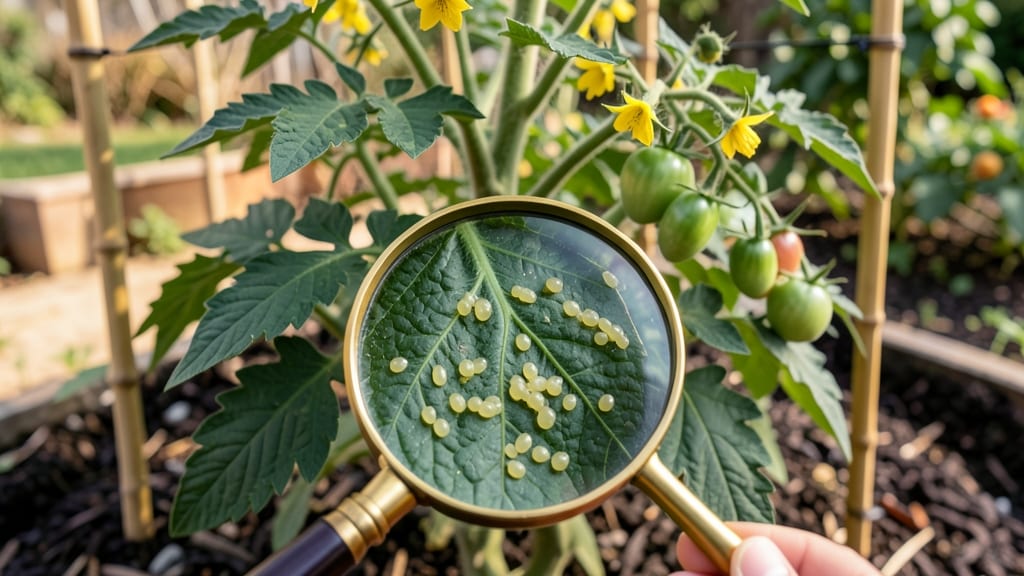
Those tiny white specks on your tomato leaves aren’t dust—they’re tomato fruitworm eggs, and they’re about to turn your harvest into Swiss cheese. 🌱 I’ve lost entire tomato plants to these sneaky pests, but I’ve also learned how to spot them early and stop them before they strike.
The eggs look like tiny grains of salt, clustered on leaves or stems, and they hatch in just 3-5 days into voracious caterpillars. The damage starts small—tiny holes in leaves—but if left unchecked, they’ll burrow into fruit, ruining your harvest.
The key is acting fast, before those eggs turn into worms.
With the right tools—like neem oil, row covers, or Bacillus thuringiensis—you can crush them before they cause real damage. I’ll walk you through how to identify them, when to treat, and the most effective organic solutions that actually work. No more mystery losses!
Whether you’re dealing with a small backyard garden or a larger plot, these steps will help you protect your tomatoes without resorting to harsh chemicals. Let’s get your plants back on track before those eggs hatch into a full-blown infestation.
📚 In This Guide
- What you need
- Instructions
- Tips and common mistakes
- Wrapping up and next steps
What you need
- ● Handheld magnifying glass (10x magnification or higher) – for spotting eggs on leaves and stems.
- ● Pruning shears or sharp scissors – to trim infested foliage without damaging the plant.
- ● Gloves (nitrile or rubber) – to protect your hands from sap and pests.
- ● Plastic bag or bucket (5-gallon size) – for collecting and disposing of infested plant debris.
- ● Neem oil or insecticidal soap (16 oz bottle) – a natural, organic treatment to deter eggs and larvae.
- ● Spray bottle (8 oz) – for applying neem oil or homemade sprays evenly.
- ○ Yellow sticky traps (2-4 traps) – optional but helpful for monitoring adult moths.
- ● Flashlight (LED, bright white) – for evening inspections when moths are most active.
- ● Diatomaceous earth (food-grade) – sprinkle lightly around the base of plants as a natural barrier.
- ● Row covers (floating fabric) – to physically block moths from laying eggs (use during peak season).
- ● Camera or smartphone with macro mode – for documenting egg clusters before removal.
- ● Label markers & tags – to track treated plants if managing a large garden.
How to identify and manage tomato fruitworm eggs early
Spotting these tiny threats before they hatch saves your harvest—and your sanity.
🔍 Step 1: Inspect Leaves and Fruit Daily
Start by examining the undersides of leaves and the tops of tomato fruit with a hand lens (10x magnification)—fruitworm eggs are nearly invisible to the naked eye. Look for tiny, flat, white ovals about 1/32 inch long, often clustered near leaf veins or stem junctions. I check my plants every 2-3 days after flowers appear, since that’s when females lay eggs.
Morning inspections work best because dew makes eggs easier to spot. If you find clusters, don’t panic—this is your only chance to stop the cycle before larvae burrow into fruit. I like to mark infested areas with a waterproof pen so I can track progress without disturbing the plant.
🌿 Step 2: Remove Eggs and Destroy Them
Use fine-tipped tweezers to carefully lift and remove eggs from leaves. Place them in a small container of soapy water to kill them instantly—never toss them back into the garden. I’ve found that dampening a cotton swab with rubbing alcohol and dabbing clusters works too, but alcohol can dry leaves, so use sparingly.
After removal, wipe the area with a damp cloth to remove any sticky residue from egg attachment. This prevents other pests from latching onto the same spot. I’ve learned the hard way that skipping this step lets residual pheromones attract more egg-laying moths—don’t skip it.
✂️ Step 3: Prune and Dispose of Infested Growth
Trim any leaves or stems with visible egg clusters at least 1 inch below the last sign of damage. Bag the clippings in a sealed plastic bag and throw them in the trash—not the compost—since larvae could still emerge. I use sterilized pruning shears for this task to avoid spreading pathogens between cuts.
For heavy infestations, consider removing entire lower branches where eggs cluster most. Tomatoes are forgiving—they’ll regrow—but you’ll save your fruit by eliminating the source. After pruning, sanitize tools with 70% isopropyl alcohol to prevent cross-contamination.
💧 Step 4: Apply Organic Barriers and Traps
Wrap sticky traps (yellow or blue cards) around the plant’s lower trunk to catch adult moths. I place 2-3 traps per plant and refresh them weekly. For extra protection, spray leaves with neem oil (1 tablespoon per quart of water) every 5-7 days—it disrupts egg development without harming beneficial insects.
Here’s the thing—neem oil works best when applied in the evening so it doesn’t degrade in sunlight. Avoid spraying when bees are active, as it can harm them too. I also mulch heavily around the base with straw to deter moths from laying eggs near the soil line.
☀️ Step 5: Monitor and Repeat as Needed
Keep inspecting every 3-4 days until fruit sets, then daily during harvest season. Fruitworm moths are relentless—they’ll keep coming back if you don’t stay vigilant. I’ve found that keeping a small notebook to log egg sightings helps track patterns (e.g., "Week 3 after flowering is peak season here").
If you spot new eggs after treatment, repeat the removal process immediately. The key is consistency—one missed batch can lead to a full-blown infestation. By harvest time, your tomatoes should be worm-free if you’ve been proactive. And trust me, the first bite of a clean tomato is worth the effort.
Tips & tricks for early detection of tomato fruitworm eggs
Here's what nobody tells you about catching these pests before they ruin your harvest.
Lighting Matters: Natural daylight is your best friend for spotting eggs—use a bright LED flashlight or clip-on magnifying lamp when inspecting plants in low light. I've found that holding the plant at a 45-degree angle to the light source makes those tiny white ovals pop out much clearer. The 10x hand lens from Step 1 works best when held close to the leaf surface, but don't press hard enough to crush eggs you haven't found yet.
Timing Secret: The 2-3 day inspection window after flowers appear is absolutely critical—this is when 90% of egg-laying happens. I set a phone reminder for every Tuesday and Friday morning (my inspection days) because consistency beats sporadic checks. If you're dealing with a severe infestation, consider checking daily until fruit sets—the extra effort prevents heartbreak later.
Tool Upgrade: Invest in a pair of fine-tipped tweezers with a magnifying lens built in—they're a game-changer for precise egg removal. I keep mine in a small container with rubbing alcohol wipes for quick sterilization between uses. For large plants, a small handheld mirror helps you see undersides of leaves without bending over awkwardly. These tools make the process faster and far less frustrating.
Documentation Strategy: That waterproof pen marking system I mentioned? Take it a step further by creating a simple chart on your phone or garden journal. Note which leaves you've treated, when you found eggs, and whether new ones appeared. I've noticed patterns like "eggs always show up on the southern side of my plants first" that help me focus inspections. This record-keeping turns you from reactive to proactive.
Pro Tips for Tomato Fruitworm Eggs
- Here's what nobody tells you about catching these pests before they ruin your harvest.
- Lighting Matters: Natural daylight is your best friend for spotting eggs—use a bright LED flashlight or clip-on magnifying lamp when inspecting plants in low light.
- Timing Secret: The 2-3 day inspection window after flowers appear is absolutely critical—this is when 90% of egg-laying happens.
Frequently asked questions
Got questions about tomato fruitworm eggs? You’re not alone!
Here are some of the most common concerns gardeners and farmers face—and how to tackle them.
How do I know if I’m seeing tomato fruitworm eggs?
Tomato fruitworm eggs are tiny (about 1mm), flattened, and usually yellowish-white. They’re laid in clusters on leaves, stems, or fruit. Use a magnifying glass or smartphone microscope—if you spot tiny specks that look like rice grains, that’s likely them! Compare with photos online for confirmation.
When is the best time to check for eggs?
Check your plants every 2–3 days, especially in the evening (egg-laying peaks at dusk). Start monitoring when tomato plants are 4–6 inches tall and continue until harvest. Warm, humid conditions (like summer afternoons) speed up egg hatching—so stay vigilant!
What’s the fastest way to remove eggs before they hatch?
Use a soft brush or damp cloth to gently wipe eggs off leaves. For stubborn clusters, spray with neem oil or insecticidal soap (follow label instructions). Pro tip: Prune heavily infested leaves and dispose of them in sealed bags—do not compost! Repeat checks 3–4 times a week for best results.
Are there natural predators that eat tomato fruitworm eggs?
Yes! Parasitic wasps (like Trichogramma) and lacewings prey on eggs. Encourage them by planting dill, fennel, or marigolds nearby. Ladybugs also help—avoid pesticides that harm these beneficial insects. Bonus: Healthy plants with strong foliage attract more predators naturally!
What if I find eggs but the larvae haven’t hatched yet?
Act immediately—eggs hatch in 3–7 days (faster in heat). Scrape them off manually or apply kaolin clay (a natural barrier). For organic growers, BT (Bacillus thuringiensis) spray is effective before hatching. Wait 24 hours after spraying before harvesting to ensure safety.
Can tomato fruitworm eggs survive winter?
Nope! These eggs cannot overwinter in most climates. They die in cold weather (<40°F/4°C). However, adult moths may return next season—so clean up plant debris in fall and use row covers early in spring to block new infestations.
Wrapping up and next steps
Spotting tomato fruitworm eggs early can save your garden—and your tomatoes! 🌱 By understanding their life cycle, using simple tools like a magnifying glass, and applying natural or chemical defenses, you’re already taking control. Don’t wait for damage to strike—act now!
Ready to protect your harvest? Start monitoring your plants this week and share your tips with fellow gardeners. Together, we can keep those tiny invaders in check and enjoy juicy, healthy tomatoes all season long! 🍅✨