
Vegetables
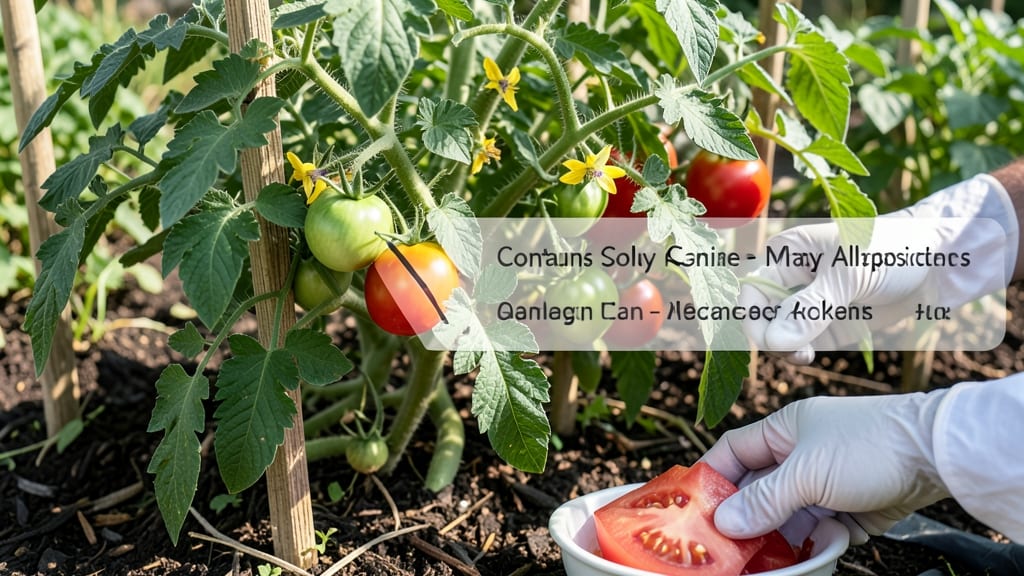
A tomato food allergy can cause reactions like hives, swelling, stomach pain, or breathing difficulties within minutes to hours after eating tomatoes or related foods. Severe cases like anaphylaxis require emergency care, while milder reactions may need antihistamines and avoiding nightshades like potatoes and peppers.
A tomato food allergy occurs when your immune system mistakenly identifies proteins in tomatoes—like those in the Solanum lycopersicum family—as harmful invaders. 🔥 This triggers an IgE-mediated response, similar to other food allergies, and can even cross-react with peppers or eggplants.
What's interesting is that cooking sometimes reduces reactivity, but not always—some people react to raw tomatoes but tolerate cooked versions. Always carry an epinephrine auto-injector if you've had severe reactions before.
If you're allergic, you'll also want to watch for hidden tomato ingredients in sauces, soups, and processed foods. Many brands use tomato paste or powder as a thickener, so reading labels carefully is key. For cooking, sun-dried tomato substitutes made from non-nightshade ingredients can be a safer alternative.
💡 In This Article
- How the Immune System Reacts to Tomato Allergies
- Safe Gardening and Handling Tomatoes for Allergy Sufferers
How the immune system reacts to tomato allergies
The immune system's reaction to tomatoes begins with specific proteins found in the Solanum lycopersicum family, particularly those in the fruit's skin and pulp. These proteins—like profilin and thaumatin-like proteins—can trigger an IgE-mediated response in sensitive individuals.
When you consume tomatoes, your immune system mistakenly identifies these proteins as threats, prompting the release of histamine and other chemicals that cause allergic symptoms. This process is similar to how pollen allergies work but occurs internally when food is ingested.
One fascinating aspect is cross-reactivity with other nightshades. If you're allergic to tomatoes, your body may also react to potatoes, peppers, or eggplants because they share similar protein structures.
For example, the profilin protein found in tomatoes is nearly identical to those in peppers, which can lead to oral allergy syndrome (OAS) symptoms like itching or swelling in the mouth.
Cooking tomatoes can sometimes break down these proteins, reducing reactivity, but this isn't guaranteed—some people still react to cooked tomato products like sauces or soups.
Symptoms vary widely but often include hives, swelling, digestive distress, or respiratory issues within minutes to hours after exposure. The severity depends on the individual's sensitivity and the amount consumed.
For instance, someone might develop mild hives after eating a single cherry tomato, while another could experience anaphylaxis—a life-threatening reaction—after just a few bites of tomato sauce. This unpredictability is why carrying an epinephrine auto-injector is critical for those with severe allergies.
The skin of tomatoes contains the highest concentration of allergens, which is why peeling can reduce (but not eliminate) reactivity for some people. However, even the flesh contains trace amounts of these proteins, so complete avoidance is often necessary.
Interestingly, sun-dried tomatoes can be more concentrated in allergens due to the drying process, making them riskier than fresh tomatoes for some individuals. Always test small amounts first if you're unsure.
Diagnosing a tomato allergy typically involves skin prick tests or blood tests to measure IgE antibodies. However, these tests aren't always accurate for food allergies, so an oral food challenge under medical supervision is often required for confirmation.
If you suspect an allergy, consult an allergist to develop a personalized avoidance plan and emergency protocol.
Understanding these mechanisms helps you make informed decisions about food choices and cross-contamination risks. For example, if you're allergic to tomatoes, you'll want to avoid not just fresh tomatoes but also hidden sources like tomato paste, sauce, or even tomato-based spices.
Always double-check labels, as these ingredients can appear in unexpected places, such as soups, stews, or even some bread products.