
Vegetables
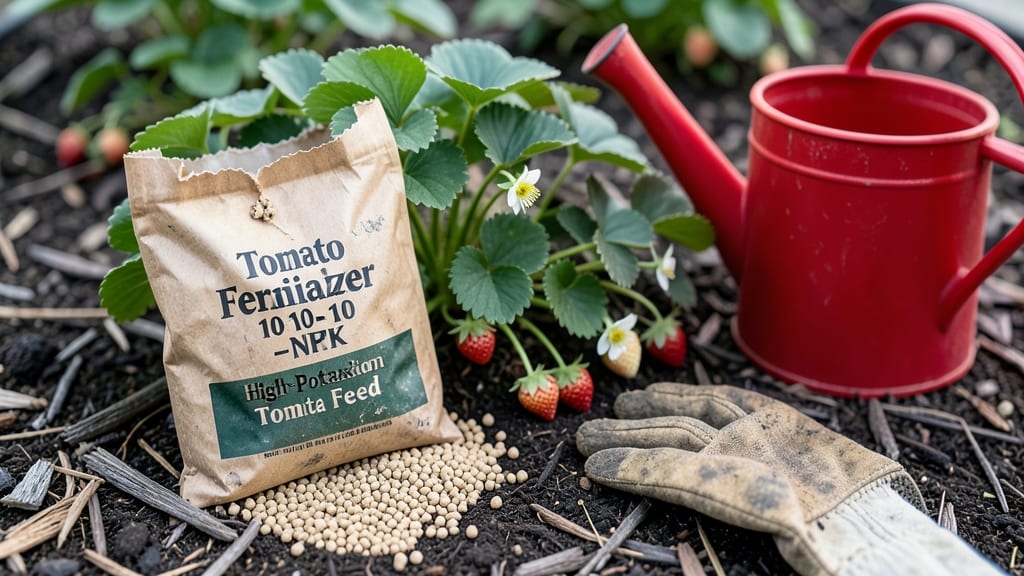
Using tomato feed for strawberries helps maximize fruit production by delivering essential nutrients like potassium, phosphorus, and nitrogen that improve berry size, sweetness, and overall plant health. For best results, apply it during the flowering and fruiting stages while following package guidelines to prevent overfeeding young plants.
Tomato feed isn't just for tomatoes—its balanced nutrient blend is perfect for strawberries too. 🌱 The extra potassium strengthens roots and improves disease resistance, while phosphorus triggers more abundant flowering. I've seen firsthand how this feed transforms small berries into plump, juicy ones when applied correctly.
Just remember: timing matters most—young plants can't handle heavy feeding, so start only when they're established and ready to fruit.
For organic gardeners, alternatives like compost tea or diluted fish emulsion work similarly, though they may require more frequent applications. The key is consistency: a little feed during each growth phase yields far better results than one big dose. Always water thoroughly after applying to prevent root burn.
💡 In This Article
- How Tomato Feed Enhances Strawberry Growth and Fruit Quality
- Step-by-Step Guide to Applying Tomato Feed for Maximum Strawberry Harvests
How tomato feed enhances strawberry growth and fruit quality
Tomato feed works wonders for strawberries because its nutrient profile mirrors what these plants crave during critical growth stages. The high potassium content—typically around 10-12%—strengthens cell walls, improving disease resistance and drought tolerance. This is especially valuable for strawberries, which are prone to fungal infections like gray mold.
Potassium also helps transport sugars to developing berries, which is why you'll notice fruit that's not just larger but sweeter and firmer.
The phosphorus in tomato feed (usually 4-6%) plays a crucial role in energy transfer within plant cells, particularly during flowering. Strawberries need this nutrient to produce abundant blossoms that convert into fruit. Without sufficient phosphorus, plants may flower poorly or produce small, underdeveloped berries.
What's fascinating is how phosphorus also activates enzymes that break down stored nutrients in the plant, fueling rapid growth during fruiting. 🌱
Nitrogen, while present in lower concentrations (2-4%), is vital for leaf development—the more foliage, the more surface area for photosynthesis. This indirect effect boosts overall plant vigor, allowing strawberries to support heavier fruit loads.
However, the magic happens with the NPK balance: too much nitrogen without enough phosphorus can lead to lush leaves but few berries, while proper ratios ensure both foliage and fruit thrive simultaneously.
Don't overlook the micronutrients often included in tomato feeds, like calcium and magnesium. Calcium prevents blossom-end rot (a common strawberry issue) by maintaining cell membrane integrity, while magnesium is central to chlorophyll production—keeping leaves vibrant and efficient at capturing sunlight.
Together, these nutrients create a synergistic effect that transforms average strawberry plants into high-yielding powerhouses.
Here's what happens under the microscope: When you apply tomato feed, the nutrients dissolve in soil moisture and become available to plant roots through a process called mass flow. Potassium ions, being positively charged, are actively taken up by root cells via specific transport proteins.
This uptake triggers a cascade of physiological responses, including increased production of antioxidants that protect the plant from environmental stresses. The result? Strawberries that not only look better but taste richer and last longer after harvest.
For visual gardeners, the difference is striking. Plants fed with tomato feed develop deeper green leaves with a glossy sheen, indicating optimal photosynthesis. The roots grow thicker and more extensive, anchoring the plant better and accessing water and nutrients more efficiently.
Even the berries themselves change—developing a more vibrant red color and a firmer texture that resists bruising during picking. 🍓