
How To
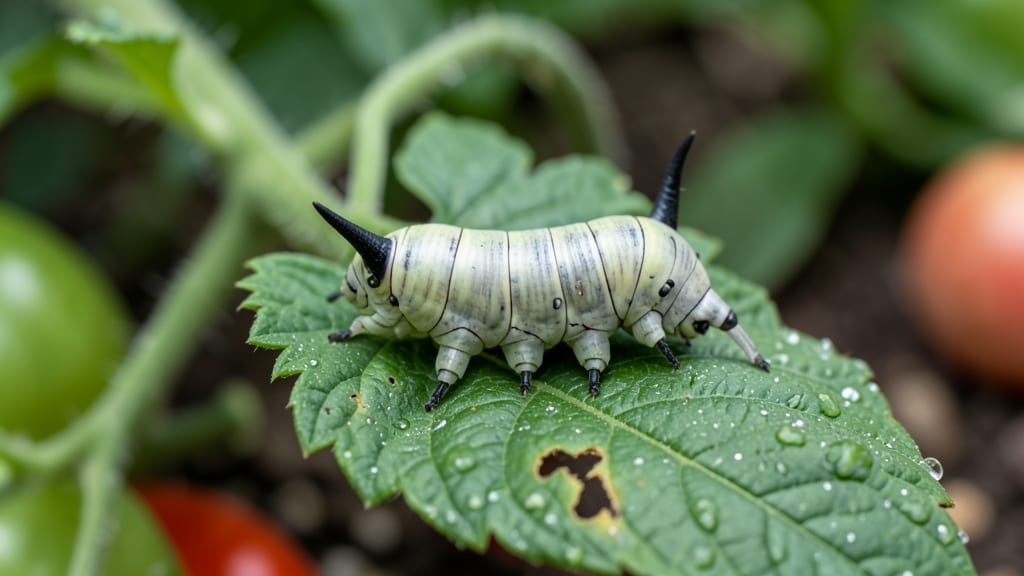
Those striped tomato caterpillars—like the poisonous-looking hornworms—aren’t just plant devourers; they’re harmless to humans but devastating to your garden. 🌱 I’ve wrestled with them for years, and the key is removing them safely without damaging your tomatoes or the ecosystem. The good news?
They’re not poisonous to touch or eat, but their appetite for tomato leaves can strip a plant bare in days. The moment you spot one, act fast—manual removal is the most effective method, but there are organic alternatives too. You’ll protect your plants while keeping your garden’s natural balance intact.
No harsh chemicals needed—just smart techniques that work with nature, not against it. Here’s how to spot them early, remove them safely, and prevent future infestations without harming your garden’s delicate balance.
Natural Defenses Gone Wrong
The tomato hornworm caterpillar—often mistaken for a harmless garden guest—packs a surprising chemical punch. While its venom isn’t lethal to humans, it can cause painful skin irritation, swelling, or even blisters when touched.
But why does this happen? The answer lies in the caterpillar’s evolutionary survival tactics and the plants it calls home. Let’s break down the science behind its sting.
Tomato hornworms (Manduca sexta) feed on Solanaceae plants—tomatoes, peppers, eggplants, and potatoes—many of which produce natural toxins to deter pests. These plants store alkaloids like solanine and nicotine in their leaves, stems, and even fruits.
When caterpillars ingest these compounds, they don’t just digest them—they metabolize and concentrate them in their own bodies.
Here’s how it works:
- Sequestration: The caterpillar’s body absorbs and stores these toxins in specialized tissues, particularly in its setae (tiny, hair-like spines covering its body). These spines act like microscopic hypodermic needles.
- Deterrent Display: Bright green coloration with diagonal stripes isn’t just for camouflage—it signals to predators (including humans) that the caterpillar is not a tasty snack. The toxins make it unpalatable or even nauseating.
- Spine Mechanics: The setae are hollow and can break off easily when touched, injecting venom directly into skin. The venom contains histamine-like compounds that trigger allergic reactions in sensitive individuals.
💡 Pro Tip: If you’ve ever handled a tomato hornworm and felt a sudden sting, you’re likely reacting to these plant-derived toxins—not the caterpillar’s own saliva. The pain usually fades within minutes, but washing the area with soap and water can help.
The tomato hornworm’s venomous spines aren’t a random quirk—they’re the result of a millions-of-years-old arms race between caterpillars and their predators. Here’s the breakdown:
| Predator Pressure | Caterpillar Adaptation | Result |
|---|---|---|
| Birds pecking at leaves | Developed camouflage (green body, striped pattern) | Harder to spot on tomato plants |
| Insectivorous mammals (e.g., opossums) | Evolved venomous setae and foul-tasting toxins | Predators learn to avoid them |
| Parasitoid wasps (natural enemies) | Grew thicker exoskeletons and faster growth rates | Survives longer to pupate |
The venom serves a dual purpose: it deters predators while also protecting the caterpillar from microbial infections. Some studies suggest the toxins may have antimicrobial properties, keeping bacteria at bay on the caterpillar’s skin.
While tomato hornworms aren’t aggressive, humans often unintentionally provoke their defensive response. Here’s how:
- Physical Handling: Picking up, squishing, or even brushing against the caterpillar can cause setae to break off and embed in skin. The more you disturb it, the more spines may inject venom.
- Garden Work: Pruning tomato plants or harvesting fruits near where caterpillars hide (like under leaves or in blossoms) increases the risk of accidental contact.
- Curiosity Factor: Children or pets are more likely to touch caterpillars out of inquisitiveness, leading to higher exposure to venom.
⚠️ Warning: Unlike fire ants or bees, tomato hornworms don’t chase or attack. Their venom is a last-resort defense. If you see one on your plants, the best approach is to avoid direct contact and use tools (like tongs or a spray bottle) to remove it safely.
Understanding these causes isn’t just about avoiding stings—it’s about protecting your garden ecosystem. While the caterpillar’s venom is a survival tool, its presence also signals an imbalance in your tomato plants’ natural defenses. The next section will cover how to remove them safely without harming your crops.
Quick Fixes for Tomato Caterpillar Woes
Discovering caterpillars munching on your tomato plants can be frustrating, but the good news is that most solutions are simple, effective, and won’t harm your garden.
Below, we’ve mapped out practical fixes based on the most common causes—whether it’s hornworms, tomato fruitworms, or other pests—and how to tackle them safely. Plus, we’ll share prevention tips to keep your tomatoes thriving.
Before acting, confirm what’s chewing on your plants. Common tomato caterpillars include:
- Hornworms: Large green caterpillars with white stripes and a "horn" at the back.
- Tomato fruitworms: Smaller, green or brown, often found inside tomatoes.
- Loopers or cutworms: Less common but still destructive.
Pro tip: 🔍 Use a magnifying glass or take a photo to compare with online guides. Knowing the pest helps you choose the right fix!
For small infestations, your hands (and a little patience) are your best tools.
🔥 Handpick Hornworms
- Wait for morning dew: Caterpillars are sluggish and easier to spot when plants are damp.
- Wear gloves: Some gardeners dislike the slimy texture—gloves help!
- Grab and go: Pinch the caterpillar firmly (avoid squishing—it releases a foul odor) and drop it into soapy water.
- Check leaves daily: Repeat every 2–3 days until no more are visible.
🍅 Inspect Tomatoes for Fruitworms
- Squeeze gently: Press ripe tomatoes to feel for movement inside.
- Cut open: If you suspect eggs or larvae, slice the tomato open and remove them by hand.
- Dispose properly: Toss infested tomatoes in sealed bags (not compost) to prevent reinfestation.
Pro tip: 🌡️ Do this in the early morning or late evening when caterpillars are least active—you’ll have an easier time!
If manual removal isn’t enough, try these low-toxicity methods.
🍳 DIY Caterpillar Trap
- Fill a jar with a mix of water, a little dish soap, and a splash of vinegar.
- Place near plants: Caterpillars are attracted to the scent and will fall in.
- Refresh weekly: Replace the mixture every 7–10 days for best results.
👨🍳 Row Covers or Netting
- Cover young plants with lightweight fabric before pests arrive.
- Secure edges: Use clips or soil weights to prevent gaps.
- Remove when flowering: Let bees pollinate, but reapply if needed during fruiting.
🥘 Beneficial Insects
Introduce natural predators like:
- Parasitic wasps (they lay eggs in caterpillars—harmless to humans!).
- Ladybugs or lacewings (eat eggs and small larvae).
Pro tip: ✨ Buy these from garden centers or order online. Release them in the evening for higher survival rates!
When caterpillars persist, use these sprays (safe for plants and pets):
🌿 Bacillus Thuringiensis (Bt)
- Mix Bt powder with water as directed on the package.
- Spray thoroughly: Focus on leaves and fruit, especially undersides.
- Reapply after rain: Bt washes off easily.
🍎 Neem Oil Spray
- Combine 1 tsp neem oil, 1 tsp mild soap, and 1 quart of water.
- Shake well and spray on affected areas.
- Apply in the evening: Avoid direct sunlight to prevent plant stress.
Pro tip: 🎯 For extra potency, add a few drops of garlic oil to neem spray—it repels pests and adds a natural scent barrier!
Stop caterpillars before they start with these long-term strategies:
- 🌱 Rotate crops: Avoid planting tomatoes in the same spot yearly to disrupt pest life cycles.
- 🌿 Plant companions: Interplant with basil, marigolds, or onions—they repel caterpillars naturally.
- 🕰️ Time it right: Start seeds indoors and transplant after the last frost to give plants a head start.
- 🧹 Clean up debris: Remove fallen leaves and fruit in autumn to eliminate hiding spots for eggs.
- 🌙 Use yellow sticky traps: Caterpillars are attracted to yellow—place traps near plants to catch adults.
With these solutions, your tomato plants can bounce back quickly—and you’ll enjoy pesticide-free, homegrown tomatoes all season long! 🍅🌟
Frequently asked questions
Are tomato caterpillars (like hornworms) dangerous to touch?
They’re not deadly, but their spines can cause painful stings or skin irritation. The venom comes from plant toxins (like solanine) they absorb from tomatoes. Wash your hands with soap and water if touched, and avoid direct handling.
Can I eat tomatoes with caterpillars inside?
Only if the caterpillars are small and you remove them first! Fruitworms inside tomatoes are usually harmless to eat, but they can make tomatoes mushy. Cut open suspect tomatoes, remove any pests, and cook or eat the rest.
What’s the fastest way to remove tomato caterpillars without chemicals?
Handpick them in the morning when they’re sluggish. Use tongs or wear gloves to avoid stings, then drop them in soapy water. For stubborn infestations, try Bacillus thuringiensis (Bt) spray—it’s organic and kills caterpillars within hours.
Will tomato caterpillars harm my other garden plants?
Mostly just tomatoes, peppers, and eggplants (all in the nightshade family). They rarely bother other veggies, but they’ll happily munch on basil or marigolds if desperate. Planting these companions can actually help repel them!
How do I know if my tomato plant has a caterpillar problem?
Look for chewed leaves with ragged edges, black droppings, or the caterpillars themselves hiding on undersides. Check fruit for tiny holes or squishy spots—signs of fruitworms. Inspect plants every 2-3 days during growing season.