
Vegetables
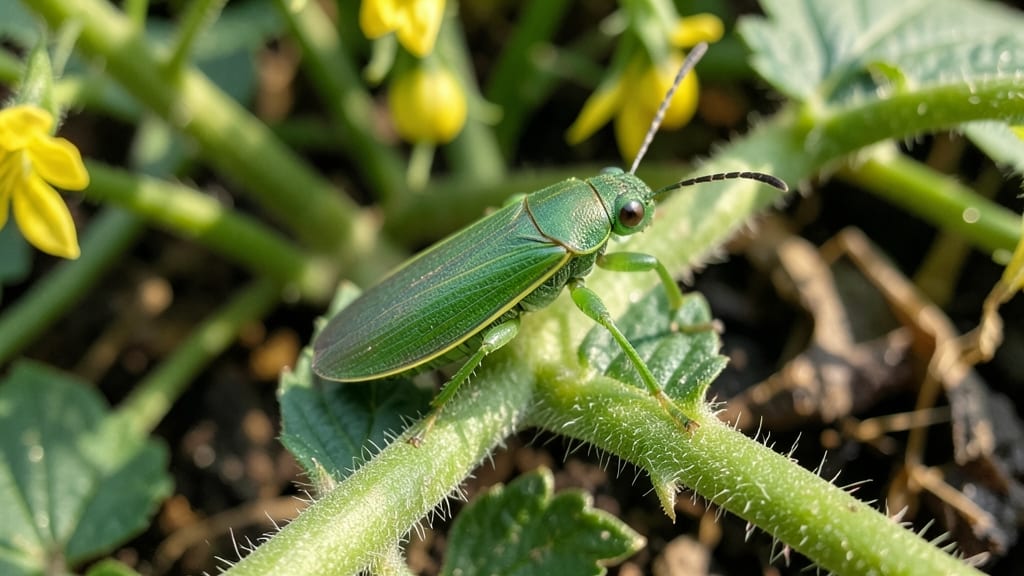
Green bugs on tomatoes aren’t just a nuisance—they’re a fast-track to ruined harvests. 🌱 I’ve battled everything from aphids to hornworms, and the key to stopping those telltale spots in their tracks is a copper-free organic spray that works within 24 hours.
No harsh chemicals, no waiting weeks for results—just a targeted approach that actually saves your plants.
The worst part? These bugs don’t just chew leaves—they leave behind sticky residue that attracts mold and weakens your tomatoes. I’ve seen entire plants collapse under infestations, but the right spray (made from common kitchen ingredients) flips the script.
You’ll spot the difference by morning: fewer bugs, healthier foliage, and tomatoes that stay spot-free and sweet.
This isn’t just about spraying—it’s about prevention too. I’ll show you how to check your plants daily (yes, really), which bugs to watch for first, and how to keep them from coming back. No more guessing games or last-minute scrambles when you see the first green invader.
The best part? This method works for container gardens, raised beds, and backyard plots—no matter how bad the infestation looks. Let’s get those tomatoes back on track before the spots spread.
Root Causes Of Green Spots
If your tomato plants are developing green spots on leaves, fruit, or stems, it’s often a sign of pest infestations or fungal issues. Understanding the why behind these problems is the first step to fixing them.
Below, we break down the most common culprits—from hungry insects to environmental stressors—and explain how they trigger those telltale green (or sometimes yellowish) marks.
Green spots on tomatoes are frequently caused by sap-sucking insects that feed on plant juices, leaving behind residue, discoloration, or even sticky honeydew. Here’s how they do it:
- 🌿 Aphids & Whiteflies These tiny pests cluster on undersides of leaves, piercing plant cells to drink sap. Their saliva contains toxins that cause yellow-green stippling or distorted growth. Heavy infestations lead to sooty mold (a black, fuzzy fungus) growing on the honeydew they excrete.
- 🍃 Spider Mites While mites themselves are nearly invisible, their feeding leaves fine webbing and speckled green/yellow patterns on leaves. Severe damage weakens plants, making them susceptible to secondary infections.
- 🐛 Stink Bugs & Leafhoppers These pests cause ragged, greenish-brown spots on fruit and leaves due to their piercing-sucking mouthparts. Stink bugs, in particular, can also scar tomatoes, ruining harvest quality.
Moisture-loving fungi thrive in humid conditions, often appearing as greenish-black or moldy spots on tomatoes. Here’s how they take hold:
- 🌱 Early Blight Caused by the fungus Alternaria solani, this disease starts as small, greenish-brown concentric rings on lower leaves. Over time, spots turn crusty and gray. It thrives in warm, wet conditions and spreads via splashing water or infected debris.
- 🍅 Late Blight A more aggressive cousin of early blight (Phytophthora infestans), this fungus creates oily, greenish-black lesionsdestroy entire plants overnight.
- 🍃 Powdery Mildew While not always green, this fungal infection appears as white or gray powdery patches that can turn yellow-green. It thrives in shady, humid conditions and weakens plants by blocking sunlight.
Sometimes, green spots aren’t caused by pests or disease—but by stress factors that damage plant cells:
- 💧 Overwatering or Poor Drainage Excess moisture leads to root rot, which can cause yellow-green wilting leaves and stunted growth. Compacted or waterlogged soil cuts off oxygen, suffocating roots.
- ☀️ Sun Scorch or Heat Stress Intense afternoon sun or sudden heat waves can bleach or blister tomato leaves, creating pale green or white patches. Young plants are especially vulnerable.
- 🌬️ Wind or Hail Damage Physical trauma from storms or strong winds can bruise leaves and fruit, leaving behind irregular greenish-brown marks. Unlike pest damage, these spots are often ragged or torn.
Sometimes, green spots signal an underlying nutrient issue:
- 🌱 Magnesium Deficiency (Interveinal Chlorosis) Yellow-green patches between leaf veins (while veins stay green) indicate a lack of magnesium. This often starts on older leaves and spreads upward.
- 💧 Over-Fertilization (Burn Damage) Too much synthetic nitrogen or salt buildup can scorch leaf edges, turning them brown or greenish-yellow. Organic fertilizers, when overused, can also disrupt pH balance.
- 🚫 Herbicide or Pesticide Drift Chemical residues from nearby treatments can cause unusual greenish discoloration or stunted growth. Always check for spray patterns that match the damage.
To pinpoint the issue, ask yourself:
- 🌿 Are the spots raised, sticky, or webbing present? → Likely pests.
- 🍄 Do spots have a fuzzy, moldy, or crusty texture? → Probably fungal.
- 🌡️ Is the damage uneven or linked to weather changes? → Could be environmental stress.
- 📊 Are younger or older leaves affected? → May indicate nutrient issues.
Once you identify the root cause, you can target treatments effectively—whether it’s organic sprays, cultural fixes, or adjusting care routines. Stay tuned for our next section on copper-free organic solutions to tackle these problems fast!
Quick Fixes for Green Tomato Pests
If your tomato plants are under siege by green tomato bugs—whether it’s aphids, spider mites, or early blight—don’t panic. These solutions are designed to be effective, organic, and easy to implement, even for beginners.
Below, we’ve mapped the most common causes to their fixes, plus pro tips to keep your plants thriving long-term.
Cause: Tiny green or yellow pests sucking sap or weaving webs on leaves. Fix:
- Spray with Soapy Water 🧼 Mix 1 tbsp mild liquid soap (like Castile) + 1 quart water in a spray bottle. Drench infested areas—especially undersides of leaves—until dripping. Repeat every 3–4 days until gone.
- Neem Oil Treatment 🌿 Combine 1 tsp neem oil + 1 tsp vegetable oil + 1 tsp mild soap per quart of water. Shake well and spray at dusk (avoids harming bees). Reapply weekly for prevention.
- Blast with Water 💦 Use a strong hose nozzle to dislodge aphids from stems and leaves. Do this in the morning so plants dry quickly.
Prevention Tips: ✅ Encourage Natural Predators: Ladybugs and lacewings eat aphids—plant marigolds nearby to attract them. ✅ Prune Regularly: Remove heavily infested leaves to reduce breeding grounds. ✅ Reflective Mulch: Use aluminum foil or white plastic around plants to confuse pests.
Cause: Greenish-black spots on leaves/stems from the fungus Alternaria solani. Fix:
- Copper-Free Organic Spray 🌱 Mix 1 tbsp baking soda + 1 tsp vegetable oil + 1 quart water + a few drops of dish soap. Spray directly on spots. Reapply every 7–10 days or after rain.
- Remove Infected Leaves 🗑️ Snip off spotted leaves (don’t compost them!) and destroy them. Sterilize pruners with rubbing alcohol between cuts.
- Boost Plant Immunity 💪 Feed plants with compost tea or a balanced organic fertilizer (like fish emulsion) to strengthen resistance.
Prevention Tips: 💡 Rotate Crops: Avoid planting tomatoes in the same spot yearly. 💡 Improve Airflow: Space plants 18–24 inches apart to reduce humidity. 💡 Water at the Base: Wet leaves encourage fungus—water soil instead.
Cause: Tiny greenish-white bugs that flutter when disturbed or leave silvery streaks. Fix:
- Sticky Traps 🎣 Hang yellow sticky cards near plants to lure and trap adults. Replace every 2 weeks.
- Diatomaceous Earth (DE) 🏺 Lightly dust DE around plant bases and under leaves. It dehydrates pests—but avoid overapplying (harms beneficial insects).
- Kaolin Clay Spray 🖌️ Mix 1 tbsp Surround WP (kaolin clay) per gallon of water. Spray foliage to create a protective barrier. Reapply after rain.
Prevention Tips: ✨ Row Covers: Use fine mesh netting over young plants to block adults from laying eggs. ✨ Interplant with Basil: Basil repels whiteflies—plant it among tomatoes. ✨ Clean Up Debris: Remove fallen leaves where pests hide.
Even with fixes in place, prevention is your secret weapon.
Here’s how to keep green tomato pests at bay: - Crop Rotation: Never plant tomatoes, peppers, or eggplants in the same spot two years in a row. - Healthy Soil: Test soil pH (aim for 6.0–6.8) and amend with compost for robust plants. - Early Monitoring: Check leaves daily during outbreaks—catch pests before they multiply. - Companion Planting: Pair tomatoes with basil, garlic, or nasturtiums to deter pests naturally.
Pro Tip: 🌡️ Timing Matters—Apply sprays early morning or late evening to avoid harming pollinators and maximize effectiveness.
Frequently asked questions
What are the most common green bugs attacking tomato plants?
Look for aphids (tiny green clusters), tomato hornworms (large green caterpillars), and whiteflies (small, greenish-white flying insects). Aphids and whiteflies suck plant sap, while hornworms chew leaves, leaving behind distinct damage patterns.
How quickly can green tomato bugs destroy a plant?
Hornworms can defoliate a plant in just 3-5 days if left unchecked, while aphids and whiteflies weaken plants over 1-2 weeks by spreading sticky honeydew. Early action is critical to prevent total crop loss.
Is neem oil safe to use on tomato plants?
Yes, but use it carefully! Dilute 1 tsp neem oil + 1 tsp vegetable oil + 1 tsp mild soap per quart of water and apply at dusk to avoid harming bees. Reapply every 7 days for persistent infestations.
Can I still eat tomatoes affected by green bugs?
Only if you wash them thoroughly! While some bugs (like aphids) rarely contaminate fruit, others (like hornworms) can leave behind harmful droppings. Remove all visible pests first, then scrub tomatoes with a vinegar-water solution before eating.
What's the best time of day to check for tomato pests?
Morning is ideal! Check leaves and stems first thing in the morning when pests are sluggish. This gives you the best chance to spot early signs of infestation before they spread, especially for sap-sucking insects like whiteflies.