
How To
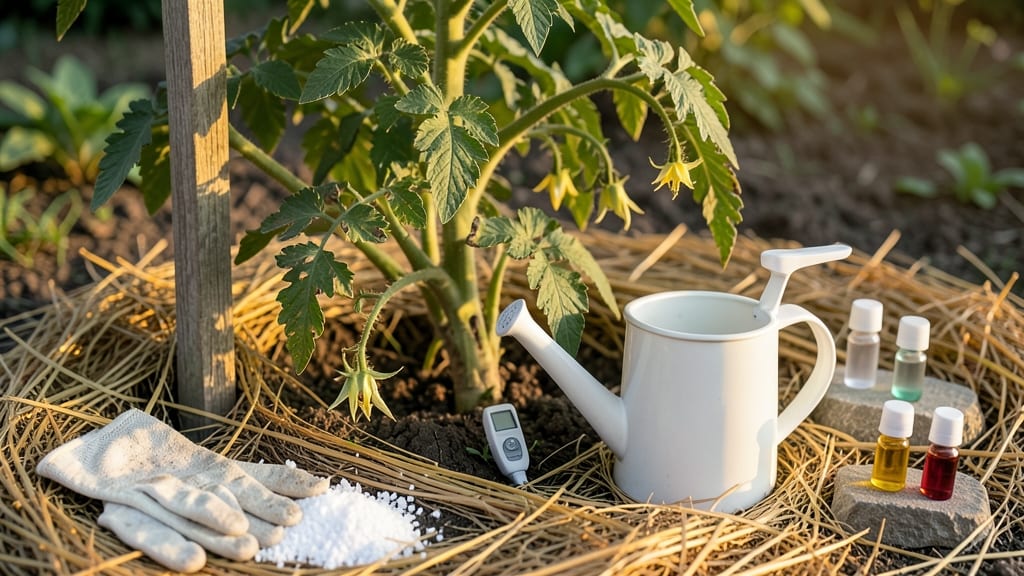
Your tomato plants are in trouble—those sunken, black spots signaling the tomato blossom end rot cure is long overdue, but the fix is simpler than you’d expect. 🌱 I’ve saved dozens of tomato harvests from this sneaky problem with a few targeted moves, and you can too.
The key isn’t just fixing the damage but stopping it before it ruins another crop.
Blossom end rot starts when calcium can’t reach the fruit fast enough—usually because inconsistent watering or poor soil drains too fast. Mulching with straw keeps moisture steady, while a quick calcium boost (like crushed eggshells or gypsum) gets results in days.
The best part? You’ll see new growth filling in within a week if you act fast.
By the time your next tomatoes ripen, you’ll have a foolproof system: even watering, calcium-rich amendments, and a watchful eye for early signs. The payoff? Juicy, blemish-free fruit straight from your garden—no more tossing imperfect tomatoes in the compost.
Works for all tomato varieties, whether you’re growing in containers or raised beds. Here’s how to turn those black spots into a thing of the past—starting today.
Root Causes of Blossom End Rot
Blossom end rot isn’t just a random tomato woe—it’s a clear signal that your plants are crying out for help. The most common triggers are calcium deficiency, watering woes, and environmental stress.
Let’s break down the science behind why your tomatoes develop those ugly, sunken brown patches at the blossom end.
Calcium is the structural backbone of plant cell walls, especially in fast-growing fruits like tomatoes. When your plants can’t absorb enough calcium—even if the soil has it—they prioritize delivering it to new leaves and roots, leaving young fruit vulnerable.
Why it happens:
- Poor soil calcium availability: Even if your soil tests high in calcium, it might be locked up in forms (like gypsum or limestone) that roots can’t access quickly.
- Imbalanced nutrients: Too much potassium or nitrogen (common in fertilizers) can block calcium uptake, creating a competition for absorption.
- pH problems: Soil pH below 6.0 or above 7.5 makes calcium less soluble, so roots struggle to take it up.
- Root stress: Damaged or compacted roots (from overwatering, drought, or poor drainage) can’t absorb calcium efficiently.
Fun fact: Calcium moves passively through the plant—it doesn’t get "pushed" from old leaves to new fruit. If roots can’t supply enough, the blossom end (the oldest part of the fruit) collapses first.
Tomatoes are drought-tolerant but hate inconsistency. Blossom end rot thrives when water availability swings wildly, causing calcium uptake to stall.
Why it happens:
- Drought stress: When soil dries out, roots can’t absorb water (and calcium) fast enough. The fruit swells quickly after rain or watering, but the calcium supply can’t keep up.
- Overwatering: Soggy soil oxygen-deprives roots, slowing nutrient absorption. It also leaches calcium out of the root zone.
- Inconsistent moisture: Plants need steady hydration, not feast-or-famine cycles. Even a single day of drought can trigger rot in developing fruit.
Pro tip: 🌡️ Check soil moisture daily—stick your finger 1–2 inches deep. If it’s dry, water deeply until moisture reaches 6–8 inches down.
Extreme temperatures, harsh winds, or even transplant shock can disrupt calcium flow to your tomato fruit.
Why it happens:
- Heat stress: High temps (above 90°F) increase transpiration (water loss), but roots can’t pull enough calcium to compensate. The fruit grows faster than calcium can arrive.
- Cold snaps: Chilly nights (below 50°F) slow root activity, reducing calcium uptake. Young fruit gets starved.
- Transplant shock: Moving seedlings stresses roots, temporarily halting calcium absorption. That’s why rot often appears 1–2 weeks after transplanting.
- Salt buildup: Over-fertilizing or poor-quality water can create salty soil, which burns roots and blocks calcium.
Did you know? 🌱 Mulching (with straw or grass clippings) keeps soil temps stable and reduces stress on roots.
If your tomato roots are squeezed like a stress ball, they can’t do their job—including delivering calcium to fruit.
Why it happens:
- Heavy clay soil: Compacts easily, restricting root growth and oxygen flow.
- Overworked beds: Repeated tilling or foot traffic crushes roots, reducing their ability to absorb nutrients.
- No drainage: Water pools around roots, causing anaerobic conditions (no oxygen) and nutrient lockout.
Fix it fast: 🔥 Aerate soil with a garden fork or add compost to improve structure.
Key takeaway: Blossom end rot is almost always a calcium delivery failure, triggered by one (or more) of these factors. The good news? Once you identify the cause, you can reverse it in minutes—we’ll show you how next!
Fix Blossom End Rot Fast
Now that you know the root causes of tomato blossom end rot—from calcium deficiency to inconsistent watering—it’s time to turn things around. The good news? Most fixes are simple, cost-effective, and can save your plants in no time.
Below, we’ll map the most common causes to practical solutions, including quick rescues and long-term prevention.
Problem: Your tomatoes are starving for calcium, leading to those ugly black spots.
Fix It:
- 🍳 Emergency Calcium Boost: Mix 1 tablespoon of calcium chloride or gypsum into a gallon of water. Water your plants at the base (not the leaves) every 2–3 days for a week. This gives roots a rapid calcium infusion.
- 🥘 Soil Remedy: Amend your soil with crushed eggshells (baked and crushed for easier absorption) or cottonseed meal (high in calcium). Work it into the top 2–3 inches of soil.
- 🌱 Prevention: Use a balanced fertilizer (like 10-10-10) with added calcium, such as calcium nitrate. Apply it every 2–4 weeks during the growing season.
💡 Pro Tip: Avoid over-fertilizing with nitrogen—it can worsen calcium uptake issues. Stick to a low-nitrogen, high-calcium ratio for best results.
Problem: Fluctuating moisture levels stress roots, preventing calcium absorption.
Fix It:
- 👨🍳 Consistent Watering: Keep soil evenly moist (not soggy, not dry). Water deeply 1–2 times per week, depending on weather, rather than shallow daily sprinkles.
- 🥘 Mulch Like a Pro: Apply 2–3 inches of organic mulch (straw, grass clippings, or wood chips) around plants to lock in moisture and regulate soil temperature.
- 🔥 Drip Irrigation Hack: If possible, switch to drip irrigation or soaker hoses to deliver water slowly and directly to roots, reducing evaporation and runoff.
🌡️ Prevention: Monitor soil moisture with your finger—top 1–2 inches should stay damp. If it’s bone-dry, water immediately.
Problem: Temperature swings (especially below 55°F or above 90°F) disrupt calcium absorption.
Fix It:
- 🌿 Shield from Heat: Use shade cloth (30–50%) during peak afternoon sun in hot climates. Alternatively, plant tomatoes in partial shade if possible.
- 🥘 Cold Weather Guard: If nights dip below 50°F, cover plants with frost blankets or row covers to maintain stable temps.
- 🌱 Choose Heat-Tolerant Varieties: Next season, opt for heat-resistant tomatoes like ‘Solar Fire’ or ‘Heatmaster.’
✨ Prevention: Plant tomatoes in late spring (after the last frost) and avoid early-season planting when soils are still cold.
Problem: Too much nitrogen or potassium can outcompete calcium, leading to deficiency.
Fix It:
- 🔪 Flush the Soil: Water plants heavily for 10–15 minutes to leach out excess salts from fertilizers.
- 🥘 Switch to Calcium-Rich Fertilizers: Use bone meal, kelp meal, or fish emulsion (all contain calcium). Avoid pure nitrogen boosters like urea.
- 🌱 Soil Test First: Before fertilizing, test your soil’s pH (6.0–6.8 ideal) and nutrient levels. Many garden centers offer affordable test kits.
🎯 Prevention: Follow the label instructions on fertilizers—more isn’t better! A little goes a long way.
If your tomatoes already show blossom end rot, don’t toss them! Here’s how to salvage them:
- 🍅 Cut Off the Bad Bite: Snip off the blackened end (1/4 inch below the rot) with sterilized scissors.
The rest of the tomato is still safe to eat! - 🥘 Cook It Up: Blossom end rot doesn’t affect flavor—use affected tomatoes in sauces, soups, or salsas where the texture won’t matter. - 🔄 Compost the Rest: If the rot is severe, compost the fruit (avoid composting if pests are present).
Final Reminder: The key to curing (and preventing) blossom end rot is calcium + consistent care. Start with a calcium boost, stabilize watering, and protect plants from stress. With these fixes, your next tomato harvest will be plump, red, and rot-free! 🍅💚
Frequently asked questions
Can I use coffee grounds to fix tomato blossom end rot?
Coffee grounds won't directly cure blossom end rot since they don't provide enough calcium. However, they can help improve soil structure and acidity levels (tomatoes prefer 6.0-6.8 pH). For a real fix, mix crushed eggshells or gypsum into the soil instead. Coffee grounds work better as a mulch to retain moisture and prevent future stress.
How quickly will my tomatoes recover after treating blossom end rot?
With proper treatment, you'll typically see new fruit forming without rot within 5-7 days. Existing affected tomatoes won't recover, but the plant will redirect calcium to developing fruit. For fastest results, combine a calcium boost (like gypsum) with consistent watering and mulching. Monitor soil moisture daily to prevent recurrence.
Will blossom end rot affect the taste of my tomatoes?
Not at all! The rot only affects the texture, not the flavor. You can safely use affected tomatoes in sauces, soups, or salsas where texture isn't critical. Simply cut off the blackened end (1/4 inch below the rot) before cooking. The rest of the tomato remains perfectly edible and delicious.
Can I use Epsom salt to prevent blossom end rot?
Epsom salt (magnesium sulfate) won't help with calcium deficiency, but it can improve overall plant health by addressing magnesium needs. For blossom end rot, focus on calcium sources like gypsum or eggshells instead. However, a light application of Epsom salt (1 tablespoon per gallon of water) every 4-6 weeks can support green growth alongside your calcium treatments.
Why does blossom end rot happen more in container-grown tomatoes?
Container tomatoes are more prone because small pots dry out faster, causing inconsistent moisture. Roots also have limited access to calcium in confined soil. To prevent it: water deeply when the top inch feels dry, use larger containers (at least 5 gallons), and add calcium-rich amendments like crushed eggshells to the potting mix. Mulch with straw to maintain steady moisture.