
Pests and Diseases
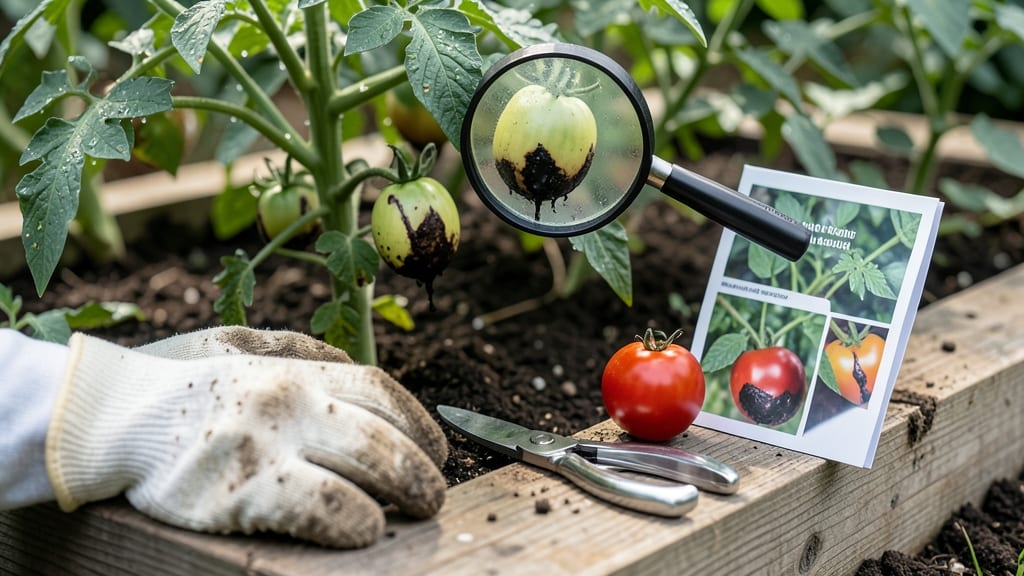
Your tomatoes are turning black from the bottom, and it’s not blossom-end rot—it’s tomato black bottom disease, and it’s worse than you think. 🌱 This fungal nightmare (or calcium crisis) can ruin an entire harvest if you don’t act fast, but I’ve saved my plants year after year with simple fixes most gardeners overlook.
The problem starts with either a Phytophthora infection (love wet conditions) or a calcium deficiency that makes fruit soft and prone to rot. Overwatering, poor drainage, or even too much nitrogen fertilizer can turn your prize tomatoes into mushy black messes.
The good news? You can stop it before it spreads—just like I did after losing half my heirlooms last summer.
Here’s the game-changer: remove infected fruit immediately, adjust your watering schedule, and add crushed eggshells (for calcium) or a copper spray (for fungus). Within weeks, your plants will bounce back—and your next harvest will stay firm, red, and healthy from top to bottom.
Works for containers, raised beds, or in-ground gardens. The key is catching it early and fixing the root cause—no more guessing games. Let’s get those tomatoes thriving again!
Root Causes Of Blackened Tomato Bottoms
Understanding why your tomatoes develop that unsightly black bottom isn’t just about spotting the symptom—it’s about diagnosing the real culprits lurking in your garden. Let’s break down the science behind this frustrating issue, so you can tackle it head-on.
Tomatoes are finicky about temperature, and when conditions swing from too hot to too cold—or when nights stay unnaturally warm—your fruit pays the price. Here’s how it happens:
- Daytime Heat Spikes: When temperatures soar above 85°F (29°C), the tomato’s calyx (the leafy part at the blossom end) struggles to form properly.
This leads to uneven ripening and oxidation of the fruit’s skin, turning it black or brown. - Nighttime Warmth: If nights stay above 70°F (21°C), the fruit doesn’t get the cool-down period it needs to develop normally.
This disrupts ethylene production (the hormone that triggers ripening), causing premature darkening. - Cold Snaps: Sudden drops below 50°F (10°C) can also shock the fruit, leading to cell damage and blackened bottoms.
💡 Pro Tip: Use shade cloth during peak afternoon sun and row covers at night if your climate swings wildly. Mulching with straw or black plastic can also regulate soil temps.
Water isn’t just about keeping plants alive—it’s about how and when you deliver it. Poor watering habits are a top cause of black bottom disease.
- Overwatering or Poor Drainage:
- Excess moisture near the calyx creates a low-oxygen environment, promoting fungal growth (like Alternaria or Phytophthora) that rots the fruit from the inside out.
- Soggy soil weakens the plant’s cuticle (its natural protective layer), making it easier for pathogens to invade.
- Solution: Ensure 1–1.5 inches of water per week (more in extreme heat) and raise beds if your soil drains poorly.
- Inconsistent Watering: - Uneven moisture causes the fruit to shrink and swell, stressing the skin. This leads to cracking and oxidation, turning the bottom black. - Solution: Use drip irrigation or soaker hoses to deliver water directly to the roots, avoiding the fruit.
Water early in the day so leaves dry quickly.
- End-of-Day Watering:
- Leaving water on the leaves at night traps humidity, creating the perfect breeding ground for fungal spores. These spores then infect the blossom end as the fruit develops.
- Solution: Water before 10 AM and avoid overhead sprinklers.
While black bottom can be physiological (caused by environmental stress), pathogens often play a role—especially in humid or crowded gardens.
- Alternaria & Early Blight:
- These fungi thrive in warm, damp conditions and create dark, sunken lesions on the fruit’s bottom.
- Signs: Tiny black spots that expand into larger, irregular patches.
- Solution: Apply copper fungicide preventatively and prune lower leaves for better airflow.
- Phytophthora & Pythium (Water Mold):
- Overwatered or waterlogged soil invites these soil-borne pathogens, which rot the fruit from the inside.
- Signs: Soft, mushy black bottoms that ooze when pressed.
- Solution: Improve drainage with compost or sand, and avoid compacting soil.
- Bacterial Spot (Xanthomonas):
- Bacteria enter through wounds (like from hail or poor handling) and cause water-soaked black spots.
- Solution: Rotate crops annually and sterilize pruners with rubbing alcohol.
Even if your tomatoes look healthy, pollination problems can lead to deformed, blackened fruit.
- Lack of Bees or Wind:
- Tomatoes need vibration (from bees or wind) to release pollen. Without it, small, malformed fruit develops with uneven ripening.
- Solution: Hand-pollinate by gently shaking plants or using a small brush to transfer pollen.
- Overcrowded Plants:
- Competition for nutrients leads to small, stressed fruit that ripens unevenly.
- Solution: Prune suckers and space plants 18–24 inches apart for better airflow and sunlight.
- Nutrient Deficiencies:
- Low calcium (even in well-drained soil) causes blossom-end rot, which can mimic black bottom.
- Solution: Add crushed eggshells or calcium nitrate to soil and avoid over-fertilizing with nitrogen.
Sometimes, the issue stems from external stressors you might not have considered.
- Herbicide or Pesticide Drift:
- Systemic herbicides (like glyphosate) or copper-based fungicides applied too close to harvest can damage the fruit’s skin, leading to blackening.
- Solution: Follow label instructions and avoid spraying within 21 days of harvest.
- High Soil Salinity:
- Over-fertilized or poorly amended soil can cause osmotic stress, leading to poor fruit development.
- Solution: Test soil pH and salinity and flush soil with water if needed.
- Physical Damage:
- Bruising from harvesting, transportation, or birds pecking can expose the fruit to oxidation and rot.
- Solution: Handle fruit gently and harvest when fully ripe (but firm).
🔥 Key Takeaway: Black bottom disease is rarely just one thing—it’s usually a combo of stress factors. By addressing temperature, water, pathogens, and pollination, you’ll give your tomatoes the best shot at staying plump, red, and blemish-free!
Fixing Blighted Tomato Bottoms
Tomato black bottom disease—caused by Phytophthora infestans—can turn your harvest into a soggy, rotten mess if left unchecked. But don’t toss those plants just yet! With the right fixes and prevention strategies, you can save your tomatoes and keep your garden thriving.
Below, we break down targeted solutions based on the root causes, from immediate fixes to long-term prevention.
Problem: Once tomatoes show black, mushy bottoms, they’re beyond saving and can spread spores. Fix:
- 🍅 Pick and toss all affected fruit immediately—don’t compost them (spores survive!). Seal in a trash bag and discard.
- 🔪 Prune infected leaves (especially lower ones) with sterilized pruners (wipe with 70% isopropyl alcohol between cuts).
- 🌡️ Avoid wetting foliage when watering—use drip irrigation or water at the base early in the day so leaves dry quickly.
Problem: Overhead watering or poor drainage creates the perfect damp environment for Phytophthora. Fix:
- 💧 Switch to drip irrigation or soaker hoses to keep soil moist but leaves dry.
- ⏰ Water in the morning (before 10 AM) to allow foliage to dry by nightfall.
- 🏗️ Improve drainage in containers or garden beds by amending soil with perlite, sand, or compost.
- 🌧️ Raise beds or use containers if your garden sits in a low-lying, waterlogged area.
Problem: Phytophthora spreads fast—catch it early with fungicides. Fix:
- 🛡️ Copper-based sprays (like copper fungicide) or 🌿 neem oil (mix 1 tbsp neem oil + 1 tsp mild soap per gallon of water) as a preventative spray every 7–10 days.
- 💊 For severe cases, use phosphite-based fungicides (e.g., Phostrol or ProPhyt). Follow label instructions for timing and safety.
- 🔄 Rotate treatments to prevent resistance—don’t rely on one product long-term.
Problem: Weak, stressed tomatoes are more susceptible to disease. Fix:
- 💪 Fertilize properly: Use a balanced fertilizer (10-10-10) at planting, then switch to low-nitrogen, high-phosphorus (5-10-10) when flowers appear to strengthen roots.
- 🍃 Mulch with straw or grass clippings (not wood chips) to keep soil moist and prevent spore splash from soil to leaves.
- 🌿 Space plants 18–24 inches apart for airflow—crowded tomatoes trap humidity and spread disease faster.
Problem: Phytophthora can survive in soil for years. Fix:
- 🌱 Rotate crops: Don’t plant tomatoes, potatoes, or peppers in the same spot for at least 3 years.
- 🔥 Solarize soil (if possible): Cover beds with clear plastic for 4–6 weeks in hot sun to kill pathogens.
- 🌿 Plant resistant varieties: Try ‘Mountain Merit,’ ‘Defiant PhR,’ or ‘Big Beef’—these hybrids have genetic resistance to Phytophthora.
- 🧴 Disinfect tools and hands between gardens to avoid cross-contamination.
- 💡 Early detection is key: Check the undersides of leaves for white, fuzzy mold (a sign of Phytophthora) before fruit shows symptoms.
- 🌡️ Avoid nighttime watering—cool, damp nights are prime spore germination conditions.
- 🎯 Test your soil pH: Aim for 6.0–6.8—acidic soil (below 5.5) encourages Phytophthora growth.
- 🌿 Companion plant with marigolds—they repel pests and may deter fungal spores.
With these steps, you can turn the tide on black bottom disease and protect your tomato harvest. Stay vigilant, adjust your watering habits, and give your plants the care they need to fight back! 🍅💪
Frequently asked questions
What’s the difference between tomato black bottom disease and blossom-end rot?
Black bottom disease causes soft, mushy blackening from the blossom end, often with fungal growth inside the fruit. Blossom-end rot creates dry, leathery brown/black patches due to calcium deficiency. The key difference? Black bottom spreads through water/moisture, while rot is purely a nutrient issue.
Can I still eat tomatoes with black bottom disease?
Only if the blackened area is small and dry—cut it off before eating. Never consume mushy, oozing, or severely infected fruit, as it may contain harmful Phytophthora spores. When in doubt, toss it to avoid spreading the disease to healthy plants.
Why does my tomato plant have black bottom disease even though I water carefully?
Even consistent watering can’t prevent black bottom if your soil has poor drainage or your garden stays too humid. Fungal spores thrive in moist, warm conditions—check for overcrowded plants or nighttime watering, which traps moisture on leaves. Try raising beds or using drip irrigation.
How long does it take for fungicides to work on black bottom disease?
Most fungicides (like copper sprays) need 7–14 days to show results, but prevention is key. Apply at first sign of symptoms and repeat every 7–10 days during wet seasons. For severe cases, phosphite-based fungicides may work faster but require careful application.
Will black bottom disease spread to other plants in my garden?
Yes! Phytophthora spores can spread via water splash, tools, or even wind. Remove infected plants immediately, sterilize tools with alcohol, and avoid planting tomatoes in the same spot for 3 years. Rotate crops and use resistant varieties to minimize risk.