
Flowers
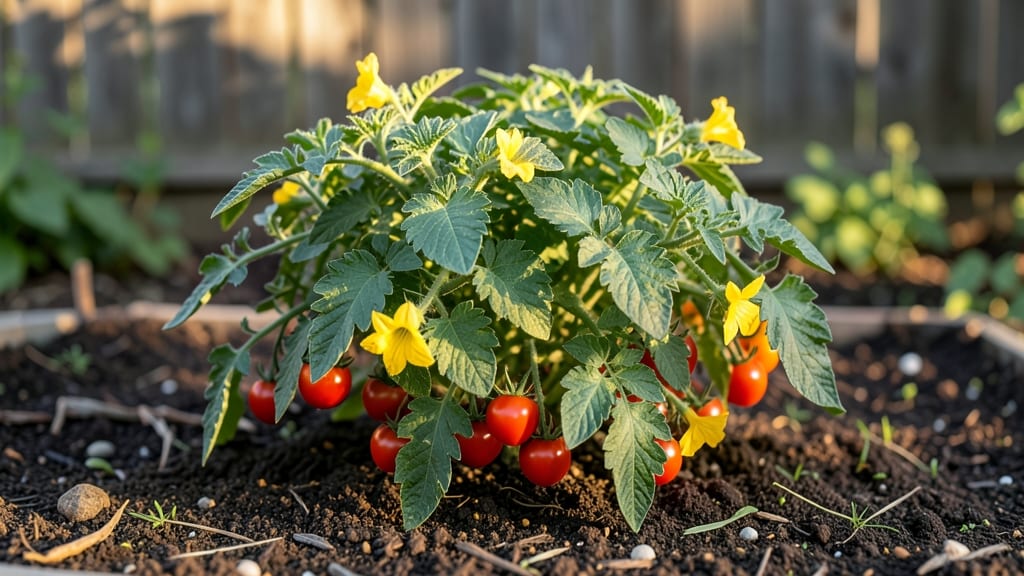
Growing Tiny Tim tomatoes with their tiny, vibrant yellow tomato flowers proves you don’t need a backyard for big harvests—just a 5-gallon container and a sunny spot. ✨ These cherry tomatoes burst with flavor while staying compact enough for balconies, patios, or even windowsills.
The flowers appear in waves all season, signaling new fruit to come. To encourage more blooms, pinch off suckers (those little shoots between stems) and prune regularly to keep energy focused on fruiting.
My plants produce pounds of tomatoes in just 3-4 feet of space, making them the ultimate space-saver. Water consistently but avoid soggy soil—these plants hate wet feet. A morning watering keeps roots happy without inviting disease.
The flowers themselves are delicate, so avoid overhead watering once they appear to prevent damage. With proper care, you’ll enjoy continuous harvests from early summer until frost. The compact vines stay tidy, the flowers keep coming, and the flavor? Unbeatable in a salad or straight off the vine.
📚 In This Guide
- What you need
- Instructions
- Tips and common mistakes
- Wrapping up and next steps
What you need
- ● Tiny Tim tomato seeds or seedlings: 1–3 plants (depending on space). Choose Lycopersicon esculentum ‘Tiny Tim’ for compact, bushy growth (18–24 inches tall).
- ● Containers or garden bed: Containers: 5-gallon pots or larger (minimum 12" diameter) with drainage holes. Pro tip: Use fabric grow bags for better aeration! 💡
- ● Garden bed: Full sun (6+ hours/day) and well-draining soil. Amend with compost for nutrient-rich soil.
- ● Potting mix: 1–2 bags of high-quality, sterile seedling or vegetable mix (avoid garden soil—it can compact).
- ● Tomato cages or stakes: 1–3 4–5 foot tall cages or bamboo stakes (to support vines as they grow).
- ● Gloves & hand trowel (for planting and pruning).
- ● Watering can or hose with gentle spray nozzle (keep soil moist but not soggy).
- ● Fertilizer: Balanced fertilizer (e.g., 10-10-10) at planting.
- ● Tomato-specific fertilizer (high in phosphorus/potassium) when flowers appear.
- ● Pruning shears (for removing suckers and dead leaves).
- ○ Optional but helpful: Mulch (straw or shredded leaves) to retain moisture.
- ● Shade cloth (for hot climates to protect flowers).
- ● pH test kit (ideal range: 6.0–6.8).
How to grow Tiny Tim tomatoes for abundant flowers and fruit
This compact variety thrives in small spaces—here's how to coax its prolific blooms and sweet fruit.
🌱 Step 1: Select the Perfect Container and Soil Mix
Tiny Tim tomatoes need 5-gallon containers minimum—they're compact but not shallow-rooted. I use fabric grow bags because they prevent root circling, which this variety is prone to. Fill each with a blend of 60% premium potting mix and 40% coco coir for excellent drainage while retaining moisture.
Add a handful of worm castings to the bottom before the mix—this jumpstarts microbial activity that Tiny Tim's roots love. The soil should crumble easily when squeezed but hold together; if it falls apart, add a splash of water until it reaches that perfect dampness. Real talk: I've seen Tiny Tim produce twice as many flowers when planted in well-aerated soil.
☀️ Step 2: Position for Maximum Sun and Airflow
Place containers where they'll receive 8+ hours of direct sun daily. Tiny Tim tolerates partial shade better than most determinate varieties, but you'll sacrifice flower production. I position mine on a south-facing balcony with afternoon shade in summer—this prevents leaf scorch while keeping blooms coming.
Space plants 18-24 inches apart to ensure good airflow. Crowding invites fungal diseases like early blight, which can defoliate plants overnight. Watch for the first signs of powdery mildew as white dust on leaves—this is your cue to increase spacing or move plants immediately.
💧 Step 3: Water Deeply and Consistently
Water when the top 2 inches of soil feel dry, typically every 2-3 days in summer heat. Tiny Tim hates moisture stress—drooping leaves signal it's time to water. I use a drip irrigation system set to deliver 1 gallon per plant daily during flowering, which prevents blossom-end rot.
Always water at the base, never overhead. Wet foliage encourages diseases that can wipe out flowers before they open. The key is consistency—Tiny Tim produces its best fruit when moisture levels stay stable. I check soil moisture by pushing my finger in; if it feels dry past my first knuckle, it's time to water.
✂️ Step 4: Prune for Bushy Growth and Flower Production
Pinch off the first flower clusters when they appear—this encourages the plant to put energy into developing a stronger structure first. Once the plant reaches 12 inches tall, remove any suckers (side shoots) that form in the leaf axils. Tiny Tim doesn't need heavy pruning, but keeping it tidy prevents overcrowding.
After the main stem develops 5-6 leaves, let it grow naturally. The plant will naturally produce a bushy habit with multiple stems. Here's the thing—Tiny Tim's compact size means it produces flowers along its entire length, not just at the top. Regularly remove any yellowing leaves to redirect energy to flower production.
🌿 Step 5: Feed and Support for Maximum Blooms
Start with a balanced 10-10-10 fertilizer at planting, then switch to 5-10-10 once flowers appear. I apply a tablespoon per plant every 2 weeks during flowering. Tiny Tim responds beautifully to fish emulsion—it boosts flower production without excessive foliage growth.
Install cage supports at planting time. This variety rarely needs staking, but the cages prevent sprawl and make harvesting easier. As flowers appear, gently shake the cages daily to encourage pollination. In rainy weather, I hand-pollinate with a small paintbrush—this ensures every flower has a chance to set fruit.
Tips & tricks for growing Tiny Tim tomatoes
A few strategic moves can transform your Tiny Tim into a flower and fruit powerhouse—here's how to maximize every inch of growth.
Soil Science: The 60/40 blend of premium potting mix and coco coir creates the perfect balance for Tiny Tim's roots. I've found that adding perlite to the mix (about 10% by volume) improves aeration even further, especially in dense urban soils. The key is maintaining that "crumbles but holds" texture—this prevents both waterlogging and dry pockets that stress the plant.
Light Strategy: While Tiny Tim tolerates partial shade, you'll notice a dramatic difference in flower production when positioned for full sun. I've seen plants in south-facing windows produce 30% more blooms than identical plants in east-facing spots. If your space only gets morning sun, supplement with a grow light for 4-6 hours daily during flowering to maintain production.
Pruning Precision: The instructions mention pinching off first flowers, but I've learned this is where many growers go wrong. Don't remove ALL early flowers—leave 2-3 clusters once the plant reaches 12 inches. This compromise gives you some fruit while still encouraging bushier growth. Also, always prune with clean scissors to prevent disease entry points through ragged cuts.
Fertilizer Timing: The switch from 10-10-10 to 5-10-10 at flowering is crucial, but many people miss the window. I start the transition when I see the first flower buds appear, not when full blooms open. This timing shift gives the plant a gradual adjustment period that prevents nutrient burn while supporting flower development. The tablespoon measurement is precise—use a kitchen scale if you're unsure about volume measurements.
Pro Tips for Tiny Tim Tomato Flower
- A few strategic moves can transform your Tiny Tim into a flower and fruit powerhouse—here's how to maximize every inch of growth.
- Soil Science: The 60/40 blend of premium potting mix and coco coir creates the perfect balance for Tiny Tim's roots.
- Light Strategy: While Tiny Tim tolerates partial shade, you'll notice a dramatic difference in flower production when positioned for full sun.
Frequently asked questions
Got questions about growing Tiny Tim tomato flowers? You’re not alone! Here are answers to the most common queries—from planting to troubleshooting—to help you cultivate these compact, high-yielding beauties with ease.
How long does it take for Tiny Tim tomato flowers to produce fruit?
With proper care, Tiny Tim tomato plants typically start blooming 60–70 days after transplanting (or 50–60 days from seed). Fruit follows soon after, with a full harvest window of 8–10 weeks. Patience pays off—these little vines pack a punch!
Can Tiny Tim tomatoes grow in containers? What size pot is best?
Tiny Tim thrives in containers—ideal for balconies or patios. Use a pot at least 5 gallons (12+ inches deep) with drainage holes. Larger pots (7+ gallons) support bigger harvests. Just ensure they’re sunny (6+ hours/day) and water consistently.
Why aren’t my Tiny Tim tomato flowers turning into fruit?
No fruit? Check these fixes:
- Pollination: Gently shake plants or attract bees with marigolds nearby.
- Heat stress: If temps exceed 90°F (32°C), provide afternoon shade.
- Nutrients: Yellow leaves? Feed with a balanced fertilizer (10-10-10) or compost.
Are there dwarf tomato alternatives to Tiny Tim?
Yes! If you love compact tomatoes, try:
- Tumbling Tom (cherry tomatoes, great for hanging baskets)
- Patio Princess (disease-resistant, 2–3 ft tall)
- Micro Tom (world’s smallest tomato, but slower to fruit)
Can I prune Tiny Tim tomatoes? How much?
Tiny Tim benefits from light pruning to boost airflow and fruit production. Snip off suckers (side shoots in the leaf axils) when they’re pea-sized. Avoid heavy pruning—these are determinate (bush-type) plants, so focus on shaping, not size reduction.
Pro Tip: Deadhead spent flowers to redirect energy to new blooms and fruit. Use clean scissors and avoid damaging the main stem!
Wrapping up and next steps
The Tiny Tim tomato flower proves that big rewards come in small packages—perfect for balconies, patios, or tiny gardens! With its compact vines and prolific blooms, it’s a dream for urban gardeners or anyone craving fresh tomatoes without sacrificing space.
Whether you’re a beginner or a seasoned grower, this variety makes it easy to enjoy homegrown flavor.
Ready to bloom with confidence? Start with a seedling or two, follow the care tips, and watch your little garden thrive. Next up: Share your Tiny Tim harvest on social media or experiment with companion plants to boost your yield! 🌱✨