
Vegetables
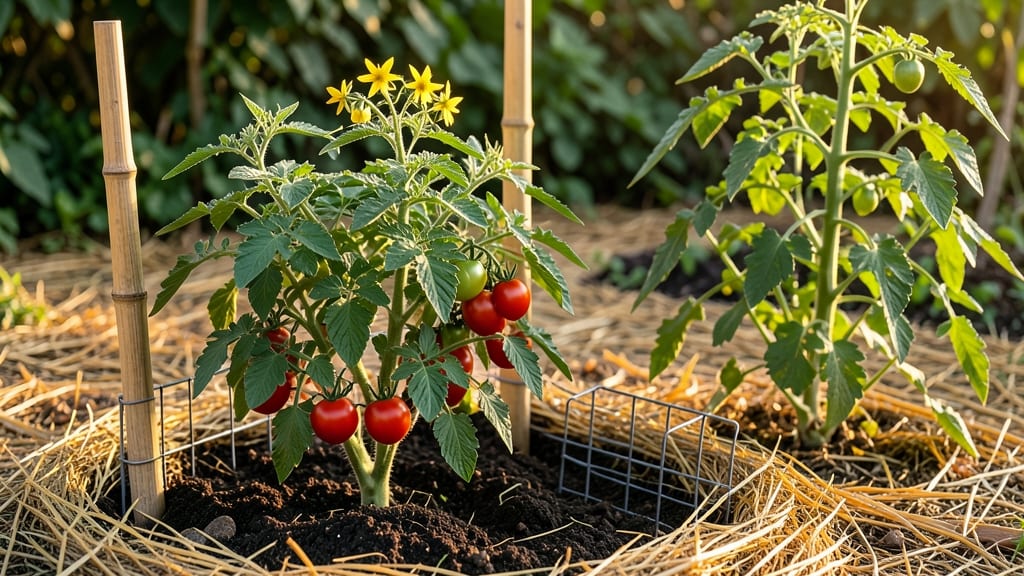
Deciding between determinate and indeterminate Sunsugar tomatoes can make or break your harvest. 🌱 The determinate version stops growing at about 3-4 feet tall, while indeterminate plants keep climbing until frost—each with its own trellis needs and yield quirks.
I’ve grown both for years, and the difference in fruit load and care is night-and-day.
Determinate Sunsugar plants produce all their fruit at once, perfect for canning or heavy harvests in a short window. They need a sturdy cage or 4-foot trellis since their weight can snap weaker supports.
Indeterminate types, though, keep bearing all season long—think 6-8 feet of vertical growth—so you’ll need a tall stake or sturdy trellis system to handle their weight.
With determinate varieties, you’ll get a heavy crop in 2-3 weeks of ripening, while indeterminate plants reward patience with continuous harvests. Both thrive in full sun and well-draining soil, but indeterminate types need more pruning to direct energy upward. The key? Match your trellis to the plant’s growth habit.
For maximum productivity, feed both types regularly and watch for disease signs—especially on indeterminate plants, which stay vulnerable longer. Harvest determinate fruits as they ripen to encourage more production, while indeterminate plants benefit from consistent picking to keep the vines climbing.
Either way, you’re guaranteed a bountiful harvest if you plan ahead!
📚 In This Guide
- What you need
- Instructions
- Tips and common mistakes
- Wrapping up and next steps
What you need
- ● Sunsugar tomato seeds or seedlings: Choose either determinate (bush-type, ~3–4 ft tall) or indeterminate (vining, 6–10+ ft tall). Start with 2–4 plants for a small harvest or 6+ plants for a family-sized yield.
- ● Trellis or support system: Determinate: Sturdy 3–4 ft tall cages (18–24" diameter) or wooden stakes (5–6 ft) with twine.
- ● Indeterminate: 6–10 ft tall trellis (e.g., A-frame, tomato tower, or sturdy bamboo stakes with heavy-duty twine).
- ● High-quality potting mix: 10–15 gallons per plant (or sterile garden soil amended with compost). Look for a blend with 50% organic matter for drainage and nutrients.
- ● Fertilizer: Balanced fertilizer (10-10-10) for planting (1 tbsp per plant).
- ● Tomato-specific fertilizer (high in phosphorus/potassium, e.g., 5-10-10) for fruiting (1 tbsp every 2–3 weeks).
- ● Mulch: 2–3 inches of straw or shredded leaves to retain moisture and suppress weeds.
- ● Gloves (nitrile or leather for prickly vines).
- ● Pruning shears (for indeterminate varieties to remove suckers).
- ● Drip irrigation kit or soaker hoses (to keep soil consistently moist).
- ● Plant ties or soft Velcro strips (to secure vines to trellises).
- ● Row cover or shade cloth (30–50% shade for indeterminate plants in hot climates).
- ● Cage reinforcement: Zip ties or wire to secure flimsy cages in windy areas.
How to choose and set up the right trellis for Sunsugar tomatoes
Sunsugar tomatoes need sturdy support—here's how to match your trellis height to the variety's growth habit.
☀️ Step 1: Identify Your Sunsugar Type and Growth Pattern
Determinate Sunsugar varieties grow to 4-5 feet tall and produce fruit all at once, making them ideal for cages or low trellises. Look for labels specifying "determinate" or "bush" types—they'll naturally top out without pruning. Indeterminate types, however, can reach 6-8 feet or more with continuous vine growth and staggered fruiting.
Check your seed packet or plant tag for height estimates—this tells you whether to plan for a 4-foot cage (determinate) or a 6-foot+ vertical trellis (indeterminate). I always verify with the seed supplier if unsure, as misidentifying growth type leads to collapsed plants under heavy fruit loads.
🪴 Step 2: Select the Right Trellis Structure for Your Variety
For determinate Sunsugar, install a 5-foot tall tomato cage with 16-gauge galvanized wire and 12-inch grid spacing. These varieties bear all their fruit in 2-3 weeks, so sturdy cages prevent stem breakage. I recommend 3-4 cages per plant when planting in rows, as the fruit clusters can weigh 5-10 pounds each.
Indeterminate types need a 6-foot vertical trellis with 18-inch horizontal supports. Use 2x4 lumber for the frame and twine or soft plant ties to secure vines. The trellis must extend 1 foot beyond the plant's expected height to accommodate upward growth. I always err on the taller side—nothing's worse than watching a vine outgrow its support mid-season.
✂️ Step 3: Install Trellis at Planting and Train Vines Early
Set up your trellis or cage at planting time—never after the plant establishes. For determinate types, press the cage 2 inches into the soil around the base to prevent toppling. For indeterminate varieties, drive 2x4 stakes 18 inches deep on either side of the plant and attach the trellis frame between them.
Start training vines immediately. For determininate types, gently weave stems through cage wires as they grow. Indeterminate vines need weekly pruning to remove suckers (side shoots) below the first flower cluster. This redirects energy upward and prevents overcrowding. I use soft fabric ties to secure main stems—never wire, which can girdle the plant over time.
💧 Step 4: Maintain Support Through Fruiting Season
Check trellis stability every 10-14 days as fruit sets. Add temporary supports (like wooden dowels) under heavy clusters if the main structure sags. For indeterminate types, tie new growth to the trellis every 6 inches to prevent flopping. The goal is to keep all foliage and fruit off the ground—this improves air circulation and reduces disease risk.
Water at the base deeply but infrequently (every 3-4 days in hot weather) to prevent sudden weight from causing stems to snap. I always water in the morning so foliage dries before evening, which is critical for Sunsugar's susceptibility to blight. A well-supported plant with proper watering will produce 20-30 pounds of fruit per season—but only if the trellis holds up.
Tips & tricks for perfect Sunsugar tomato trellising
These practical insights will help you avoid common mistakes and maximize your harvest—no matter which Sunsugar variety you're growing.
Variety-Specific Support: For determinate types, the 5-foot cage height is perfect because their 4-5 foot growth and concentrated fruit load (5-10 pounds per cluster) demand immediate, sturdy support. I've learned the hard way that skipping the extra cage when planting in rows leads to collapsed stems when fruit sets. For indeterminate varieties, that extra foot beyond the 6-foot trellis is crucial—it's the difference between a plant that thrives and one that gets tangled in its own growth by mid-summer.
Installation Timing: Setting up your trellis or cage at planting time (as mentioned in Step 3) prevents transplant shock and gives vines immediate structure to climb. I always install mine before transplanting seedlings, even if it means building the frame a few days early. This one-step-ahead approach saves you from struggling with established plants later. The 2-inch soil depth for determinate cages and 18-inch stake depth for indeterminate trellises are non-negotiable—they're what keeps your entire structure from toppling when fruit loads peak.
Pruning Strategy: That weekly pruning for indeterminate types (Step 3) isn't just about removing suckers—it's about creating an architectural framework. I focus on keeping only the main stem and the first few strong lateral branches, which directs all energy upward. This creates a more manageable plant that's easier to tie and produces fruit at a height where it's less susceptible to soil-borne diseases. Think of it as sculpting your plant rather than just trimming—every cut should serve a purpose in creating that strong vertical structure.
Pro Tips for Sunsugar Tomato Determinate Or Indeterminate
- These practical insights will help you avoid common mistakes and maximize your harvest—no matter which Sunsugar variety you're growing.
- Variety-Specific Support: For determinate types, the 5-foot cage height is perfect because their 4-5 foot growth and concentrated fruit load (5-10 pounds per cluster) demand immediate, sturdy support.
- Installation Timing: Setting up your trellis or cage at planting time (as mentioned in Step 3) prevents transplant shock and gives vines immediate structure to climb.
Frequently asked questions
about Sunsugar tomatoes—whether determinate or indeterminate—can make all the difference in your garden’s success. Here are answers to the most common queries to help you grow like a pro!What’s the best trellis height for Sunsugar determinate vs. indeterminate varieties?
Determinate Sunsugar tomatoes (bush-type) typically need a 4–5 foot trellis—they’re compact but still benefit from support. Indeterminate varieties (vining) can climb 6–8 feet or higher since they grow continuously. Use sturdy stakes or cages to avoid sagging under heavy fruit loads.
When should I prune indeterminate Sunsugar tomatoes for better yield?
Prune indeterminate Sunsugar tomatoes throughout the growing season, focusing on removing suckers (shoots between the stem and branches) when they’re 1–2 inches long. Aim to keep 2–3 main stems for airflow and sunlight. Avoid heavy pruning late in the season—it can stress the plant before harvest.
Can I grow Sunsugar tomatoes in containers? If so, what size?
Yes! Both determinate and indeterminate Sunsugar tomatoes thrive in containers, but size matters. For determinate types, use a 5-gallon pot with a sturdy trellis. Indeterminate varieties need 7–10 gallons and a tall cage (6+ feet). Ensure pots have drainage holes and use a balanced fertilizer every 2–3 weeks.
Why are my Sunsugar tomatoes cracking, even with proper support?
Cracking often happens due to uneven watering—soak the soil deeply 1–2 times per week, then let it dry slightly between waterings. Over-fertilizing with nitrogen can also cause rapid growth and stress. Mulch around plants to retain moisture and reduce temperature swings, which help prevent cracks.
Are Sunsugar tomatoes self-pollinating, or do I need to help them?
Sunsugar tomatoes are self-pollinating, so you usually don’t need to shake the plants. However, gentle vibrations (like tapping the trellis) on calm days can boost pollination if you notice poor fruit set. Bees and wind also help—just avoid pesticides that harm pollinators!
Wrapping up and next steps
Choosing between determinate and indeterminate Sunsugar tomatoes depends on your garden goals—whether you crave compact, early harvests or towering vines with continuous bounty. Both varieties thrive with the right trellis height and care, so pick what fits your space and patience! 🌱
Ready to grow? Start by sketching your garden layout, gathering supplies, and planting with confidence. Whether you’re a beginner or a seasoned gardener, your Sunsugar tomatoes will reward you with sweet, juicy rewards—just imagine the salsa, salads, or sauces ahead! 🍅✨