
How To
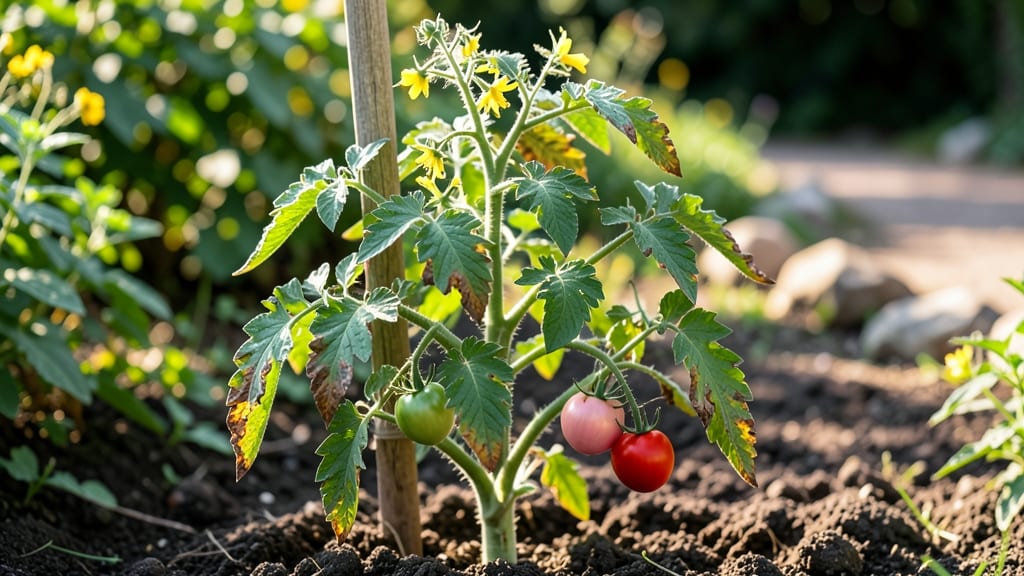
Your tomato plants are screaming for help—those crispy, white-edged leaves aren’t just ugly, they’re a sign your tomatoes are sunburned. 🌞 I’ve nursed back more scorched tomato leaves than I’d like to admit, and the good news?
With just three targeted fixes, you can revive them faster than you think. The key is acting fast before the damage spreads to the fruit.
Sunburn happens when leaves get hit with too much direct sun too quickly—think of it like a sunburn on your skin, but for plants. Young leaves, thin foliage, and sudden heat waves are the usual culprits.
I’ve seen it happen after a cloudy spell followed by a scorching afternoon, or when plants get moved from shade to full sun without warning. The damage isn’t always permanent, but it will stress your plants if you ignore it.
Here’s the game-changer: prune the worst leaves immediately, move plants to partial shade for a week, and water deeply in the morning to cool the soil. Within days, you’ll see new growth pushing through, and your tomatoes will bounce back stronger than ever.
The best part? This fix works for other sun-sensitive plants too—peppers, eggplants, even herbs can thank you later.
Once your plants recover, keep them happy with mulch to regulate soil temperature and gradual sun exposure for new growth. And next season? Start with shade cloth or dappled sunlight for young plants—trust me, your future harvests will thank you. Let’s get those leaves healing!
Root Causes Of Leaf Scorching
Understanding why your tomato leaves develop those telltale signs of sunburn—crispy edges, bleached patches, or wilted spots—starts with recognizing the environmental and physiological triggers at play. Here’s a breakdown of the most common culprits, explained in simple terms with actionable insights:
Tomatoes thrive in sunlight, but too much direct UV radiation can overwhelm their natural defenses. When leaves absorb more light energy than they can process, excess photons damage cell membranes, leading to oxidative stress—a fancy term for "sun damage on a cellular level."
- Why it happens:
- Young, tender leaves lack the protective pigments (like carotenoids) mature plants have.
- High-intensity sunlight (especially in 10 AM–4 PM) can exceed a tomato’s photosynthetic capacity, causing photobleaching (white or yellow patches).
- Reflective surfaces (concrete, water, or light-colored mulch) amplify UV rays, acting like a magnifying glass.
- Actionable fix:
- Provide dappled shade during peak hours using floating row covers or shade cloth (30–50%).
- Train vines to grow vertically (using trellises) to reduce leaf exposure to scorching ground-reflected heat.
Sunburn isn’t just about UV—water loss plays a critical role. When tomatoes lose moisture faster than roots can replace it, leaves wilting or curling exposes them to direct sun damage, similar to how your skin burns faster when dehydrated.
- Why it happens:
- Underwatering causes stomata (leaf pores) to close, trapping heat inside cells and accelerating sunburn risk.
- Overwatering (especially in containers) can lead to root rot, which weakens the plant’s ability to regulate water and heat.
- Wind exposure increases transpiration rates, drying leaves out before they can cool themselves.
- Actionable fix:
- Water deeply 1–2 times per week (check soil moisture 2 inches down—it should feel like a damp sponge).
- Use mulch (straw or grass clippings) to retain moisture and cool root zones.
- Mist leaves lightly in the early morning to create a temporary protective film (avoid evening misting to prevent fungal issues).
Tomatoes are heat-loving plants, but sudden swings—like hot days followed by cold nights—disrupt their ability to handle sunlight. When temperatures exceed 90°F (32°C), enzymes responsible for photosynthesis and repair slow down, leaving leaves vulnerable.
- Why it happens:
- Heatwaves cause protein denaturation in leaf cells, breaking down their structural integrity.
- Cold snaps (below 50°F/10°C) weaken the plant’s cuticle layer, making it harder to block UV rays.
- Greenhouse effect (from plastic covers) can trap heat, turning leaves into frying pans.
- Actionable fix:
- Hardening off seedlings gradually (expose them to outdoor conditions over 7–10 days) to build resilience.
- Avoid plastic mulch in extreme heat—opt for organic mulch or black landscape fabric to moderate soil temps.
- Prune lower leaves to improve airflow and reduce heat buildup near the soil.
Healthy soil = healthy leaves. When tomatoes lack key nutrients, their cell walls weaken, making them more susceptible to sun damage. Calcium and potassium deficiencies, in particular, are linked to blossom-end rot and leaf burn.
- Why it happens:
- Calcium deficiency (common in sandy or acidic soils) causes cell wall collapse, leading to crispy, dead patches.
- Potassium deficiency reduces the plant’s ability to regulate water and heat stress.
- Nitrogen excess promotes rapid leaf growth but makes leaves thinner and more fragile, increasing sunburn risk.
- Actionable fix:
- Test your soil (pH 6.0–6.8 is ideal) and amend with crushed eggshells (calcium) or wood ash (potassium).
- Use a balanced fertilizer (10-10-10) at planting and switch to a low-nitrogen, high-potassium feed (like 5-10-10) when fruit sets.
- Compost regularly to improve soil structure and water retention.
Mature tomato leaves develop carotenoids and anthocyanins—pigments that act like natural sunscreen. But young leaves or varieties with low pigmentation (like some heirlooms) are prime targets for sunburn.
- Why it happens:
- Genetics play a role—some varieties (e.g., Black Krim) have thicker cuticles, while others (like Cherry Tomatoes) are more prone to scorching.
- Shade-grown tomatoes (common in greenhouses) produce less protective pigment when suddenly exposed to full sun.
- Actionable fix:
- Choose heat-tolerant varieties like Solar Fire, Heatmaster, or Cherokee Purple for outdoor growing.
- Gradually acclimate greenhouse-grown plants to sunlight over 2–3 weeks.
- Apply foliar sprays with seaweed extract or humic acid to boost natural pigment production.
Sometimes, sunburn is a secondary symptom of other hidden issues.
Keep an eye out for: - Pesticide or fertilizer burn (chemical residue on leaves acts like a magnifying glass). - Hail or insect damage (broken leaves absorb more UV rays). - Container heat (black pots absorb sunlight, cooking roots and leaves).
Quick check: Inspect the underside of leaves—if you see yellowing or stippling, it’s often a sign of indirect stress compounding sun damage.
Pro Tip: 💡 Monitor your tomatoes daily—if leaves start looking dull or waxy, it’s a red flag (pun intended) that they’re struggling to cope with sunlight. Act fast, and your plants will bounce back!
Quick Fixes for Scorched Tomato Foliage
Sunburned tomato leaves don’t have to mean the end of your harvest—with the right steps, you can nurse your plants back to health and prevent future damage.
Below, we’ve mapped out practical solutions tailored to the most common causes of sunburn, from intense afternoon rays to poor acclimation or overwatering stress. Each fix is designed to be easy to implement, even for beginner gardeners. Let’s get your tomatoes thriving again!
Problem: Too much direct sunlight, especially in hot climates or after sudden heatwaves.
🔥 Step 1: Provide Immediate Shade Relief
- Quick fix: Use shade cloth (30-50% coverage) or lightweight row covers to block harsh midday sun (10 AM–4 PM).
- DIY hack: Prop up old bedsheets or burlap sacks around the plant base for temporary shade.
- For containers: Move pots to a slightly shaded spot (e.g., under a patio awning or near a north-facing wall).
🌿 Step 2: Mulch to Cool the Soil
- Spread 2–3 inches of organic mulch (straw, wood chips, or grass clippings) around the base to insulate roots and retain moisture.
- Pro tip: 💡 Wet the mulch before applying—this helps it stick and work faster!
💧 Step 3: Water Deeply (But Strategically)
- Morning watering is key: Soak the soil early in the day (before 10 AM) to give leaves time to dry and reduce scorching.
- Avoid wetting foliage: Use drip irrigation or soaker hoses to target roots, not leaves.
- Sign of overwatering? Yellowing leaves with sunburn?
Let the soil dry slightly between waterings.
Problem: Leaves crisping after moving plants outdoors or from sudden heat changes.
🍳 Step 1: Gradually Harden Off Young Plants
- If you’re starting seedlings indoors, move them outside for 1–2 hours daily, increasing time over 7–10 days.
- Reverse the process if bringing plants in from a greenhouse—acclimate them to indoor conditions slowly.
👨🍳 Step 2: Prune Damaged Leaves (But Don’t Overdo It)
- Snip off only the worst sunburned leaves (brown, crispy, or curled) with clean scissors.
- Leave healthy foliage intact—it helps the plant recover faster.
- Avoid heavy pruning—this stresses the plant further.
🌡️ Step 3: Adjust Temperature Stress
- For heatwaves: Mist leaves lightly in the early morning (avoid evening misting—it encourages disease).
- For cold snaps: Use frost blankets or move potted tomatoes to a sheltered spot (like a garage or under eaves).
Problem: Sunburn-like symptoms (yellowing, crispy edges) from root rot or waterlogged soil.
🔪 Step 1: Check the Roots
- Gently dig around the base—if roots smell sour or are mushy, root rot is likely.
- Fix: Repot in fresh, well-draining soil (mix in perlite or vermiculite).
⏰ Step 2: Adjust Your Watering Schedule
- Tomatoes hate soggy feet! Water only when the top 1–2 inches of soil are dry.
- Test the soil: Stick your finger in—if it’s damp, wait another day.
🌱 Step 3: Improve Soil Drainage
- Amend heavy clay soil with compost or coconut coir to loosen it.
- For containers: Ensure pots have drainage holes and use a lightweight potting mix.
Once your tomatoes recover, lock in their health with these long-term strategies:
- 🌿 Choose heat-tolerant varieties like ‘Solar Fire,’ ‘Heatmaster,’ or ‘Black Krim’ for hot climates.
- 🎯 Plant strategically: Use trellises to elevate leaves away from scorching ground heat.
- ✨ Boost nutrition: Feed with balanced fertilizer (10-10-10) or compost tea to strengthen cell walls.
- 🔄 Rotate containers if growing in pots—this ensures even sun exposure.
Remember: Sunburned leaves are a sign your tomatoes are fighting back—with these fixes, they’ll bounce back stronger. 🍅💪 Stay patient, and your harvest will thank you!
Frequently asked questions
Why do only the newer leaves get sunburned while older ones stay fine?
Young tomato leaves have thinner protective layers and fewer natural pigments like carotenoids, making them more vulnerable to intense sunlight. Mature leaves develop thicker cuticles and protective compounds over time, while new growth lacks these defenses. Think of it like how sun-sensitive skin burns faster than your naturally tanned areas!
Can I save a tomato plant with severely sunburned leaves?
Yes, but act fast! Prune off the most damaged leaves immediately to reduce stress, then provide shade for 3-5 days using shade cloth or a light sheet. Water deeply in the morning and avoid wetting foliage. Most plants recover within 1-2 weeks if roots are healthy—just watch for new growth pushing through!
Will sunburned tomato leaves affect my fruit quality?
Not necessarily! While sunburned leaves reduce the plant's energy production, tomatoes are resilient. The fruit itself won't develop sunburn—only leaves do. However, severe leaf damage may slightly delay ripening. Focus on reviving the plant first, and your tomatoes will still taste great once they mature!
How can I prevent sunburn in container-grown tomatoes?
Use light-colored containers (they reflect heat instead of absorbing it), and place pots in partial shade during peak afternoon sun. Elevate containers with pot feet to improve airflow, and water consistently—containers dry out faster. For extra protection, try 30% shade cloth during heatwaves!
Is there a difference between sunburn and heat stress in tomatoes?
Sunburn shows as crispy, white or brown patches on leaves from direct UV damage, while heat stress causes general wilting, curling, or yellowing without the distinct burned edges. Both require shade and proper watering, but heat stress often needs evening cooling (like misting) to help plants recover overnight.