
Vegetables
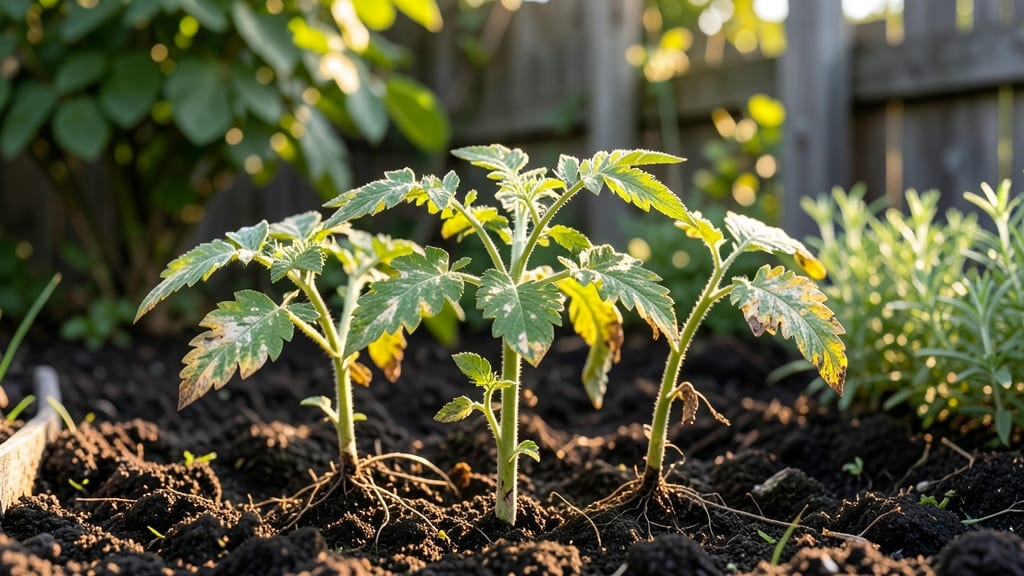
Sunburned tomato seedlings can look like crispy, bleached paper—those white or yellow patches mean your plants are struggling under too much direct sun. 🌱 I’ve nursed back dozens of seedlings from this exact problem, and the good news is they’re tougher than they look.
The key is acting fast to protect their tender leaves while giving them a chance to recover.
Most sunburn happens when seedlings go from a shaded tray to a hot, sunny spot too quickly. Even a few hours of intense afternoon sun can cause damage, especially in hot climates or when transplanting.
The symptoms—crispy edges, wilting, or stunted growth—are your plants’ way of saying, "Slow down!" But with the right care, they can bounce back stronger than ever.
Start by moving seedlings to a shadier spot for a few days, like under a tree or with a simple shade cloth. Water deeply at the base to help stressed roots recover, and avoid overhead watering, which can worsen damage.
Within a week, you’ll see fresh, green growth pushing through as the seedlings adjust to their new conditions.
Prevention is easier than rescue: harden off seedlings gradually over 7-10 days before planting, and avoid setting them out on scorching afternoons. A little patience now means healthier plants—and a bigger harvest—later. Trust me, your tomatoes will thank you.
📚 In This Guide
- What you need
- Instructions
- Tips and common mistakes
- Wrapping up and next steps
What you need
- ● Sunburned tomato seedlings – The star of the show! Ensure they’re wilting, yellowing, or showing crispy patches.
- ● Watering can or spray bottle – With a fine mist setting (1 gallon capacity recommended).
- ● Pruning shears or sharp scissors – Sterilized to avoid spreading disease (rubbing alcohol wipe works!).
- ● Shade cloth (30-50% blockage) – At least 3 feet by 3 feet (adjust based on seedling size).
- ● Lightweight mulch (straw or grass clippings) – 2-3 inches thick to retain moisture and protect roots.
- ● Balanced liquid fertilizer (5-5-5 or 10-10-10) – Diluted to half-strength (1 tbsp per gallon of water).
- ● Hydrogen peroxide (3%) or seaweed extract – 1 tbsp per gallon of water for a gentle root boost.
- ● Spray bottle with water – For misting leaves (avoid direct spray on sunburned areas).
- ● Copper-based fungicide – If seedlings show signs of stress-related fungal issues.
- ● Reflective mulch film – To redirect sunlight away from delicate seedlings.
- ● Humidity dome or plastic wrap – For creating a mini greenhouse effect (remove once recovery starts).
- ● pH test kit – To check soil pH (ideal range: 6.0–6.8 for tomatoes).
- ● Compost or worm castings – For enriching soil after recovery.
Step-by-Step instructions for reviving sunburned tomato seedlings
Here's the straightforward method I've used to nurse back sunburned tomato seedlings—no fancy tools, just smart care.
🌿 Step 1: Identify and Protect Damaged Areas
First, examine your seedlings closely. Sunburn shows up as white or yellow patches on leaves, often with crispy edges or a papery texture. These areas can't recover on their own, so you'll need to remove them to redirect the plant's energy. Use clean, sharp scissors to snip off only the damaged portions—never tear leaves by hand, as this can introduce infections.
Focus on removing leaves that are more than 50% affected. Healthy green tissue will stay attached to the stem. This might seem harsh, but pruning damaged foliage prevents the plant from wasting energy trying to revive dead tissue. After trimming, discard the clippings in the trash—not the compost—to avoid spreading any potential disease.
☀️ Step 2: Adjust Light Exposure Immediately
The fastest way to stop further damage is to move your seedlings out of direct sunlight. Find a spot that offers bright, indirect light—think of it as a gentle recovery room. A north-facing window or a shaded patio works well. If you're using grow lights, increase the distance to 12-18 inches away from the seedlings to reduce intensity.
Watch for signs of improvement within 24-48 hours. You'll notice new leaves emerging with a deeper green color, and the plant will start to look perkier. If you can't move the seedlings, use a sheer curtain or lightweight shade cloth to filter the sunlight. Avoid plastic covers—they trap too much heat and can worsen the damage.
💧 Step 3: Hydrate and Support Recovery
Sunburned seedlings often lose moisture through damaged tissue, so consistent watering is key. Water deeply at the base of the plant, ensuring the soil is evenly moist but not soggy. Use room-temperature water to avoid shocking the roots. I like to water in the early morning so the leaves have time to dry before evening, reducing the risk of fungal issues.
Add a balanced, water-soluble fertilizer (like a 10-10-10 mix) to the water at half-strength to give your seedlings a gentle nutrient boost. Fertilize every 7-10 days until you see new growth. Avoid over-fertilizing—this can stress the plant further. Keep an eye out for new leaves with smooth edges and vibrant color; these are your signs that the seedlings are on the mend.
Tips & tricks for reviving sunburned tomato seedlings
Here's the thing—sunburned seedlings can bounce back with the right care. These simple tricks will help you spot early signs of recovery and avoid common pitfalls that could set your plants back.
Pruning Precision: When removing damaged leaves in Step 1, cut just above a leaf node where new growth can emerge. Look for the small bump where leaves attach to the stem—this is where your plant will send out fresh foliage. I've seen seedlings recover faster when pruned this way because it encourages the plant to focus its energy on healthy growth points.
Light Transition Strategy: Moving seedlings to bright, indirect light in Step 2 is crucial, but don't rush it. Start with partial shade for the first 24 hours, then gradually increase exposure over 3-4 days. This slow transition helps prevent shock from sudden light changes. I've had seedlings wilt dramatically when moved too quickly—this gradual approach makes all the difference.
Watering Wisdom: The key in Step 3 isn't just how much you water, but when. Water in the early morning so leaves dry completely before evening. I've noticed that damp leaves overnight lead to fungal issues, which can undo all your recovery efforts. A light misting in the evening can help cool the plants, but avoid soaking the foliage.
Fertilizer Timing: While the instructions mention fertilizing every 7-10 days, I've found that waiting until you see new growth is even better. The first fertilizer application should come after you notice at least one new leaf with vibrant color. This prevents overloading a stressed plant with nutrients it can't yet use effectively.
Pro Tips for Sunburn Tomato Seedlings
- Here's the thing—sunburned seedlings can bounce back with the right care.
- Pruning Precision: When removing damaged leaves in Step 1, cut just above a leaf node where new growth can emerge.
- Light Transition Strategy: Moving seedlings to bright, indirect light in Step 2 is crucial, but don't rush it.
Frequently asked questions
What does sunburn look like on tomato seedlings?
Sunburned tomato seedlings often show white, bleached patches or yellowing leaves on the sides exposed to direct sunlight. In severe cases, leaves may crisp, curl, or develop brown spots. Unlike pests, sunburn damage is usually one-sided (e.g., only the south/west-facing leaves are affected).
How long does it take for sunburned seedlings to recover?
With proper care, most seedlings show improvement in 3–7 days. Move them to partial shade (e.g., under 30–50% shade cloth) and keep soil moist. If damage is severe (e.g., crispy leaves), prune affected foliage to redirect energy to new growth. Avoid transplanting until new leaves emerge!
Can I prevent sunburn in tomato seedlings before it happens?
Yes! Start by hardening off seedlings gradually (expose to sunlight for 1–2 hours daily, increasing time over 7–10 days). Use shade cloth (30–50%) for the first week after transplanting. Avoid placing seedlings in full sun until they’re at least 4–6 inches tall with 2–3 true leaves.
What’s the difference between sunburn and heat stress in tomato seedlings?
Sunburn is direct UV damage (visible as bleached/yellowed spots), while heat stress causes wilting, drooping, or stunted growth without visible marks. Both occur in hot, dry conditions, but sunburn is localized, while heat stress affects the whole plant. Solution for heat stress: Provide afternoon shade and mulch to retain moisture.
Should I trim sunburned leaves off my seedlings?
Yes, but only if the damage is severe (e.g., crispy, blackened leaves). Use sterilized scissors to snip affected areas just above a leaf node. This helps the plant focus energy on recovery. Avoid pruning healthy leaves—keep at least 2–3 strong leaves per seedling to ensure photosynthesis continues.
Wrapping up and next steps
Sunburned tomato seedlings might seem like a setback, but with the right care, you can nurse them back to health and watch them thrive! 🌱 The key is acting quickly—hydrate, shade, and protect your plants to prevent further damage.
Remember, even a little effort can make a big difference in your garden’s success.
Now that you’re armed with these revival tips, it’s time to roll up your sleeves and give your seedlings the TLC they deserve. Next up: Keep an eye on their progress and enjoy the rewards of a bountiful harvest! 🍅✨