
Companion Plants
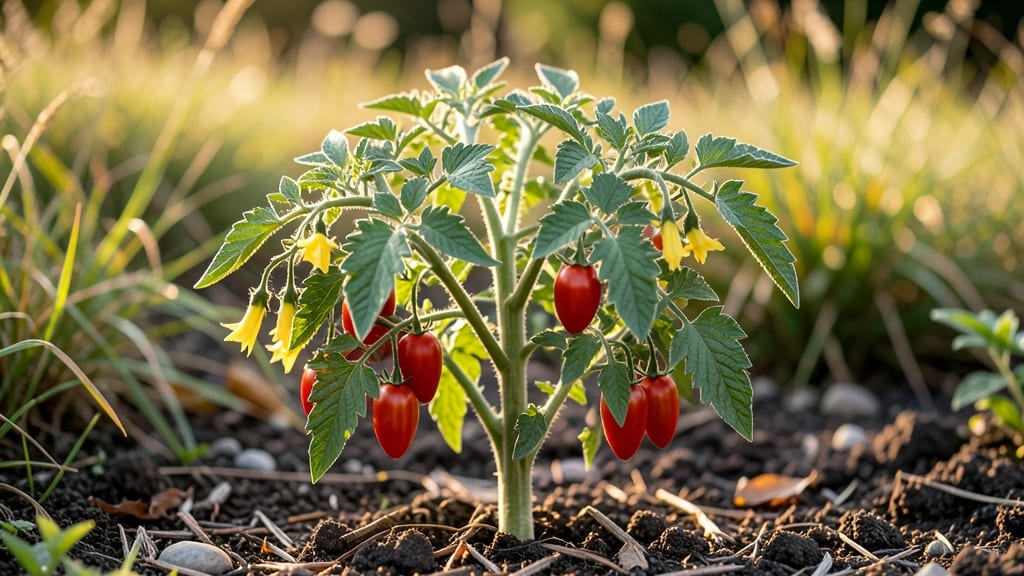
Growing striped Roman tomato plants means harvesting vibrant pink-and-yellow striped fruits that look like edible art—and they’re just as delicious. 🌱 I’ve grown this heirloom variety for three seasons, and the secret to their disease resistance and productivity starts with the right soil prep and planting timing.
These tomatoes aren’t just pretty; they’re hardy, productive, and perfect for slicing or sauce-making. The key to success begins with well-draining soil rich in compost, planted in full sun (6-8 hours daily) after the last frost.
Unlike many heirlooms, Striped Romans tolerate heat and humidity better than most, making them a foolproof choice for gardeners in zones 5-10. I’ve found that staking or caging early prevents sprawl, and consistent watering at the base (not the leaves) keeps the fruit striped and sweet.
By midsummer, you’ll be harvesting 10-15 pounds of tomatoes per plant, with flavors that balance sweetness and acidity. The striped pattern deepens as they ripen, and their disease-resistant skin means fewer losses to blight or cracks.
Prune suckers regularly to focus energy on fruit production, and watch for hornworms—my biggest pest battle, but easily managed with neem oil. These tomatoes shine in summer salads, fresh salsa, or sun-dried slices, and their striking appearance makes them a conversation starter.
Whether you’re a beginner or a seasoned grower, Striped Romans reward patience with beautiful, bountiful harvests that taste as good as they look. Let’s get those seeds in the ground!
📚 In This Guide
- What you need
- Instructions
- Tips and common mistakes
- Wrapping up and next steps
What you need
- ● Striped Roman tomato seeds or seedlings: 3–5 plants (for a small garden) or 10+ (for larger harvests). Choose organic, disease-resistant varieties if possible.
- ● Containers or garden bed: Containers: 5-gallon pots or larger (1 plant per container with drainage holes).
- ● Garden bed: Well-draining soil in a sunny spot (6+ hours of sunlight daily).
- ● High-quality potting mix: 5–10 lbs (2.3–4.5 kg) of organic, well-draining soil amended with compost (avoid garden soil—it’s too dense!).
- ● Fertilizer: Balanced fertilizer (10-10-10): 1–2 lbs (0.5–1 kg) for soil amendment.
- ● Tomato-specific fertilizer (high in potassium): 1–2 lbs (0.5–1 kg) for feeding during flowering/fruiting.
- ● Support system: 5–6 ft tall cages or sturdy stakes (1–2 per plant) to prevent sprawling.
- ● Hand trowel or transplanting spade (for planting/seeding).
- ● Watering can or hose with gentle spray nozzle (avoid blasting leaves!).
- ● Pruning shears (for trimming suckers and dead leaves).
- ● Mulch (straw or shredded leaves) (2–3 inches thick to retain moisture).
- ○ Drip irrigation or soaker hose (optional) for consistent watering.
- ○ Compost or worm castings (optional) for extra nutrients.
- ○ Row cover or shade cloth (optional) for early-season protection from pests.
Step-by-step guide to cultivating striped Roman tomato plants
Here's how to grow these stunning, disease-resistant beauties from seed to harvest.
🌱 Step 1: Start Seeds Indoors for Strong Transplants
Begin seeds 8-10 weeks before your last frost date in biodegradable pots filled with sterile seed-starting mix. I like to use 2-3 inch deep pots because Roman tomatoes develop deep root systems early. Moisten the mix until it holds together when gently squeezed—think of a damp sponge, not a dripping towel.
Plant 2-3 seeds per pot at a depth of ¼ inch, just below the seed's diameter. Cover lightly with additional mix, then mist the surface until evenly damp. Place pots in a warm spot—75-85°F is ideal—using a seedling heat mat if needed. You'll see sprouts in 7-14 days, depending on your climate.
☀️ Step 2: Provide Optimal Light and Prevent Leggy Growth
As soon as seedlings emerge, move them to a south-facing window or under grow lights providing 14-16 hours of light daily. Without enough light, seedlings stretch toward the window, creating weak stems that can't support heavy fruit later. I position my lights 2-4 inches above the plants and raise them weekly as seedlings grow.
Watch for first true leaves—these are the second set after the initial seed leaves. Once you see them, thin to the strongest seedling per pot by snipping the others at soil level. This prevents overcrowding and gives the remaining plant room to develop a sturdy root system.
🪴 Step 3: Transplant Outdoors After Hardening Off
Two weeks before your last frost date, begin hardening off seedlings by placing them outside in a sheltered spot for 1-2 hours daily. Gradually increase exposure, adding 1 hour each day until they can handle a full day outdoors. This process teaches plants to tolerate wind and temperature fluctuations without shock.
Transplant after 4-6 weeks when seedlings have 5-7 leaves and strong stems. Choose a location with full sun (6-8 hours daily) and well-draining soil. Dig holes twice as wide as the root ball to encourage root spread. Space plants 24-36 inches apart—Romans grow tall and need room for airflow.
💧 Step 4: Water Deeply and Support for Maximum Fruit Production
Water deeply 1-2 times weekly, aiming for 1-1.5 inches of water per week. Let the soil dry slightly between waterings—consistent moisture prevents cracking in the striped fruit. I use a drip irrigation system to keep water at the base, avoiding wetting foliage, which reduces disease risk.
Install cages or stakes at planting to support the plants as they grow. Romans can reach 5-6 feet tall, and their heavy fruit needs sturdy support. Prune suckers (the shoots in the leaf axils) to focus energy on fruit production. Harvest when fruits are fully colored and slightly soft to the touch—this ensures peak flavor and encourages more blooms.
Tips & tricks for growing stunning striped Roman tomatoes
Here's what I've learned after years of growing these showstopping varieties—tricks that make all the difference between good and extraordinary harvests.
Seed Starting Wisdom: The 8-10 week indoor starting window is non-negotiable for Roman tomatoes, but here's the secret: use bottom heat consistently. Place your seedling heat mat at 75-85°F and maintain that temperature day and night. I've found that seedlings grown with bottom heat develop root systems 30% faster than those without, giving you stronger transplants ready for outdoor conditions.
Lighting Strategy: When setting up your grow lights for the crucial 14-16 hours of daily light, position them just 2-3 inches above the seedlings initially. This intense light prevents leggy growth by creating natural shade. As your plants grow, raise the lights weekly—if they're touching the seedlings, you're too close! The key is to mimic the natural light intensity they'd get in full sun.
Transplanting Preparation: The 4-6 week transplant window might seem long, but don't rush it. Use this time to harden off properly by gradually increasing outdoor exposure. I've seen many gardeners skip this step, only to have their transplants wilt dramatically when planted. Start with just 1-2 hours daily in a sheltered spot, then increase by 1 hour each day—this gradual approach builds resilience that makes all the difference in your garden's success.
Watering Technique: The 1-1.5 inches of water per week guideline is perfect, but timing matters just as much. Water in the early morning so foliage has plenty of time to dry before evening. This simple habit dramatically reduces disease risk. I also recommend using a moisture meter to check soil moisture—Romans hate soggy roots but also won't tolerate drought stress, which causes fruit cracking.
Pro Tips for Striped Roman Tomato Plants
- Here's what I've learned after years of growing these showstopping varieties—tricks that make all the difference between good and extraordinary harvests.
- Seed Starting Wisdom: The 8-10 week indoor starting window is non-negotiable for Roman tomatoes, but here's the secret: use bottom heat consistently.
- Lighting Strategy: When setting up your grow lights for the crucial 14-16 hours of daily light, position them just 2-3 inches above the seedlings initially.
Frequently asked questions
Got questions about growing striped Roman tomato plants? You’re not alone! Here are some of the most common queries—plus quick, practical answers to help you grow like a pro.
When is the best time to plant striped Roman tomatoes?
Striped Roman tomatoes thrive in warm soil, so wait until after the last frost when nighttime temps stay above 50°F (10°C). For cooler climates, start seeds indoors 6–8 weeks before transplanting. If you’re in a short-season area, opt for early-maturing varieties or use black plastic mulch to warm the soil faster.
How do I tell if my striped Roman tomatoes are ripe?
These tomatoes ripen from the stem end upward, turning a deep red with bold green or yellow stripes. They should feel slightly soft when gently squeezed and pull away from the vine easily. If they stay firm or green too long, they may need more sun or warmer temps. Pro tip: Harvest before they overripe to avoid cracking!
Are striped Roman tomatoes really disease-resistant? What should I watch for?
Yes! They’re bred to resist verticillium and fusarium wilt, but they can still get blight or pests like aphids. To prevent issues, rotate crops yearly, prune lower leaves for airflow, and avoid overhead watering. If you spot yellowing leaves or spots, remove affected foliage immediately and treat with neem oil if needed.
Can I grow striped Roman tomatoes in containers? What size pot do I need?
These indeterminate vines need at least a 5-gallon pot (bigger is better) with drainage holes. Use a lightweight potting mix and stake or cage the plant early—vines can grow 6+ feet tall! Place containers in full sun (6+ hours daily) and fertilize weekly with a balanced tomato feed once fruiting starts.
What’s the best way to use striped Roman tomatoes in cooking?
Their sweet, meaty texture makes them perfect for slicing on sandwiches, stuffing (try mozzarella and basil!), or sun-drying. They also shine in sauces, salads, and roasted dishes—their stripes add a fun visual pop! For best flavor, let them ripen fully on the vine or at room temp before cooking.
What should I do if my striped Roman tomatoes crack?
Cracking happens when tomatoes grow too fast (often from inconsistent watering or heavy rain after drought). To prevent it, water deeply once or twice a week (not daily) and mulch to retain moisture. If cracks appear, harvest the tomatoes immediately—they’re still safe to eat! For next time, try a drip irrigation system for steady hydration.
Wrapping up and next steps
Growing striped Roman tomato plants is a rewarding way to add vibrant color and flavor to your garden while enjoying their impressive disease resistance. Whether you're a seasoned gardener or just starting out, these striking plants bring beauty and productivity to your harvest. 🌱
Ready to take the next step? Start by planting your seeds or seedlings this season and watch your garden transform into a thriving, striped tomato paradise!