
Plants
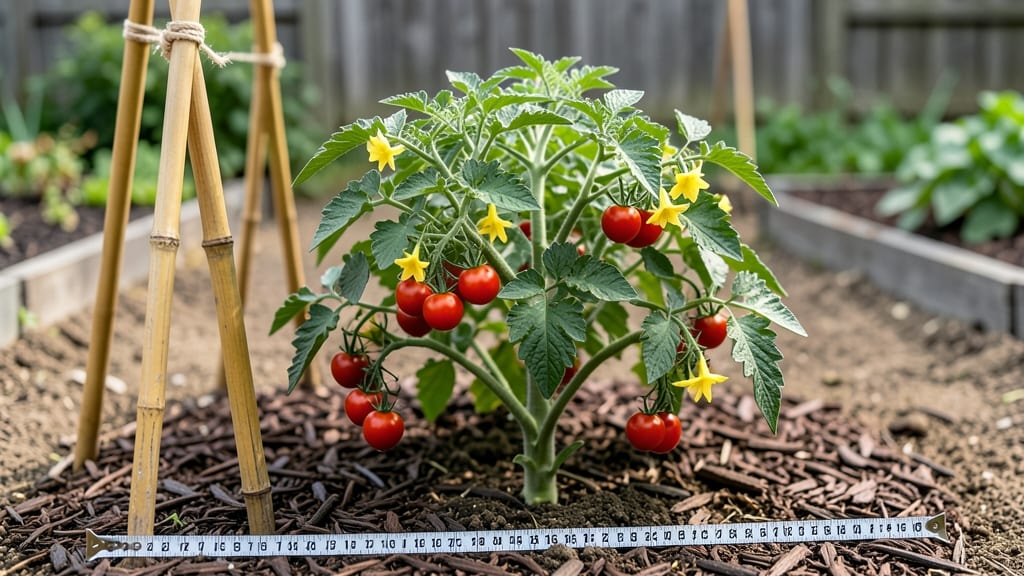
Spacing cherry tomato plants correctly is the difference between a bountiful harvest of sweet, plump 🍅 fruits and a garden full of stunted, disease-prone vines.
If you’ve ever watched your cherry tomato plants look healthy but produce tiny, underripe fruits, you’re not alone. The issue often boils down to spacing—too close, and your plants compete for sunlight and air, leading to poor airflow and fungal diseases like blight.
Too far apart, and you’re wasting precious garden space. The 3-4 foot grid isn’t just a suggestion; it’s a proven strategy to maximize yield and keep your plants thriving.
But here’s the catch: not all cherry tomato varieties or growing conditions are the same. Whether you’re planting in containers, trellising vertically, or dealing with humid summers, the ideal spacing can shift.
In this guide, I’ll break down the science behind the 3-4 foot rule, how to adjust for different varieties, and practical tips to ensure your plants get the room they need for heavy fruit loads.
You’ll also discover how companion planting and smart pruning can work with spacing to boost your harvest, so you’re not just guessing—you’re growing like a pro.
Why 3-4 feet spacing maximizes cherry tomato yield and health
If you've ever planted cherry tomatoes too closely and ended up with stunted growth or disease-ridden leaves, you're not alone. The 3-4 foot spacing rule isn't arbitrary—it's based on how these plants compete for resources and respond to environmental stress.
When plants are too crowded, they fight for sunlight, water, and nutrients, leading to smaller fruits and increased susceptibility to fungal diseases like early blight.
Cherry tomatoes thrive when they have enough room to spread their vines and develop strong root systems. Studies show that proper spacing can increase yield by 30-50% by allowing each plant to maximize photosynthesis and reduce competition.
Without this space, your plants might look lush but produce tiny, underdeveloped fruits or fail to ripen fully due to stress.
Here's the science behind it: Air circulation is critical for preventing diseases. When plants are too close, humidity builds up between leaves, creating the perfect conditions for fungal spores to thrive.
Proper spacing also ensures even sunlight exposure across the plant, which is essential for fruit development and sugar production. Without these conditions, your cherry tomatoes won't reach their full potential.
Let's break down how spacing impacts your harvest in three key ways: fruit size, quantity, and plant health. Each of these factors directly affects your final yield, and getting the spacing right can mean the difference between a modest harvest and a bountiful one.
The right spacing also makes it easier to access plants for pruning and harvesting without damaging neighboring plants.
One of the most common mistakes gardeners make is overcrowding cherry tomato plants to fit more into a small space. While this might seem like a good way to maximize garden output, it actually reduces overall yield due to resource competition.
Plants in crowded conditions compete for nutrients in the soil, leading to poor root development and stunted growth. Additionally, the lack of airflow creates a breeding ground for fungal diseases like early blight and powdery mildew, which can destroy your entire crop if left unchecked.
Another issue is uneven sunlight exposure. When plants are too close, the outer leaves get full sun while the inner leaves remain in shade. This leads to uneven fruit ripening, where some tomatoes ripen fully while others stay green and underdeveloped.
Proper spacing ensures that every part of the plant gets adequate sunlight, leading to more uniform and higher-quality fruits.
For container gardening, the spacing rule still applies but is adjusted for the limited space. In pots, you can space plants 12-18 inches apart, but you'll need to prune aggressively and use vertical supports to mimic the benefits of wider spacing.
The key is to balance root growth with above-ground expansion—otherwise, you'll end up with small, stressed plants that produce fewer fruits.
If you're growing cherry tomatoes in a greenhouse or high-density setup, you can reduce spacing slightly to 24-30 inches, but you must increase airflow with fans or open vents.
This helps prevent disease buildup while still allowing the plants to compete effectively for resources. The goal is to find the sweet spot between space efficiency and plant health.
Remember,
How to adjust spacing for different cherry tomato varieties and growing conditions
Not all cherry tomato varieties thrive with the same spacing—compact 'Tiny Tim' needs half the room of sprawling 'Sun Gold'. Understanding your specific variety and growing setup lets you optimize space while boosting yields.
For example, determinate types like 'Sweet 100' stay bushy and compact, while indeterminate varieties like 'Black Cherry' grow vining and need extra vertical support.
Container gardening changes the game entirely—crowding plants in pots can stunt growth due to root competition. In small containers, reduce spacing to 12-18 inches apart, but pair with dwarf varieties like 'Tumbling Tom' to prevent overcrowding.
Vertical trellising also transforms spacing needs, letting you grow indeterminate types in tight spaces by training vines upward instead of outward.
Climate matters too: Humid regions demand wider spacing (36-48 inches) to prevent fungal diseases like early blight, while arid areas can handle closer spacing (24-30 inches) thanks to better airflow. Even within your garden, microclimates affect spacing—shady corners need tighter spacing than sun-drenched beds.
For container gardening, prioritize root depth over spacing. Use large pots (at least 5 gallons per plant) to prevent root competition. If you’re growing multiple varieties in one container, space them 12-18 inches apart and prune aggressively to maintain airflow.
Vertical gardening with trellis systems lets you fit indeterminate types into small spaces—just ensure vines aren’t touching each other to avoid disease spread.
In humid climates, increase spacing by 12 inches to improve airflow and reduce fungal risks. In arid regions, you can reduce spacing slightly (24 inches) since dry air minimizes disease pressure.
Always monitor your plants—if leaves start yellowing or fruits develop blossom end rot, it’s a sign you’re overcrowding or under-spacing.
Pro tip: Use companion planting to your advantage. Pair cherry tomatoes with basil or marigolds to improve airflow at the base of plants, reducing disease while maximizing your garden’s efficiency.
With the right spacing tweaks, you’ll turn every inch of your garden into prime real estate for bigger, healthier cherry tomatoes! 🌱