
Companion Plants
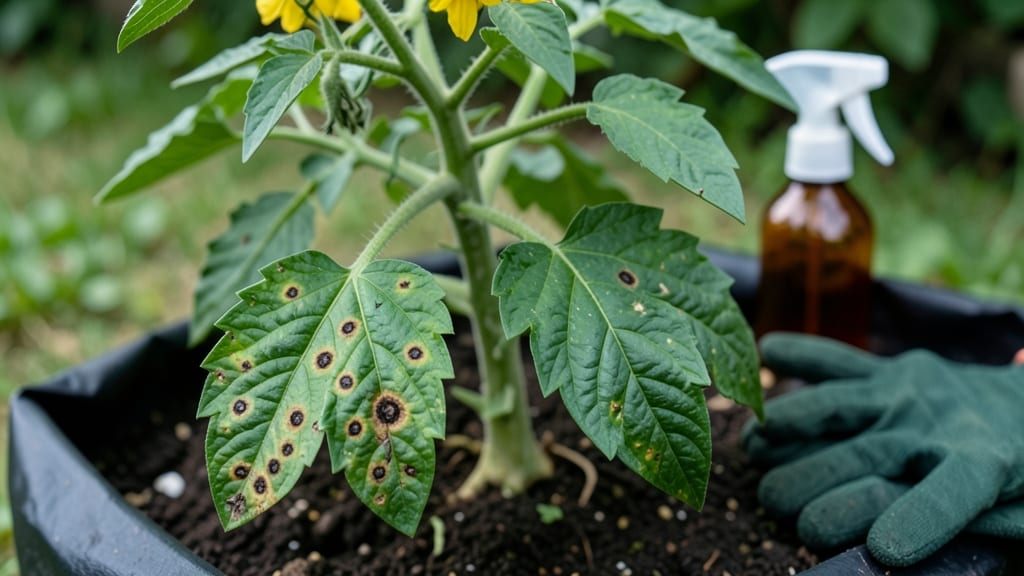
Those tiny black spots with yellow rings on your septoria tomato plants? That’s the sneaky fungus that turns lush plants into sad, spotty shadows. 🌱 I’ve lost entire tomato seasons to it—until I discovered this garlic-chili spray trick that actually works.
The secret weapon is a homemade spray using garlic, chili, and a touch of soap that disrupts the fungus’s life cycle without harsh chemicals. You’ll need just 5 ingredients, and it takes 10 minutes to mix. What’s even better?
It’s not just a quick fix—it builds long-term resistance in your plants. By the end of summer, your tomatoes will stay vibrant green, producing fruit well past the usual fungal onslaught. The spray’s pungent aroma also deters pests, giving you double protection in one easy step.
Works for greenhouse, container, or in-ground tomatoes—just adjust the spray frequency based on humidity. Let’s get those leaves fighting back!
📚 In This Guide
- What you need
- Instructions
- Tips and common mistakes
- Wrapping up and next steps
What you need
- ● Garlic: 1 head (or 10-12 cloves), organic and fresh
- ● Dried chili peppers: 2-3 peppers (like cayenne or jalapeño, for heat!)
- ● Water: 4 cups (950 mL) of distilled or filtered water (chlorine can harm plants)
- ● Blender or food processor: For crushing garlic and peppers into a fine paste
- ● Fine mesh strainer or cheesecloth: To filter out chunks
- ● Spray bottle or pump sprayer: 16 oz (475 mL) capacity (glass is best for reusability)
- ○ Neem oil (optional but recommended): 1 tsp (5 mL) for extra fungal defense
- ○ Castile soap (optional): ½ tsp (2.5 mL) as a natural emulsifier
- ● Healthy tomato plants: Start with Septoria-resistant varieties (e.g., ‘Mountain Merit’ or ‘Defiant PhR’)
- ● Early morning spray time: Apply when plants are dry (avoid evening dew)
- ○ Protective gear: Gloves (optional, but chili peppers can sting!) and a mask if sensitive to garlic fumes
- ● Weather check: No rain forecast for 24 hours post-application
Step-by-step instructions for preventing septoria leaf spot organically
Here’s how I keep my tomatoes thriving without chemical sprays—just natural barriers and proactive care.
🌱 Step 1: Select Septoria-Resistant Varieties and Space Properly
Start with resistant varieties like 'Mountain Merit' or 'Defiant PhR'—they’re bred to fight septoria naturally. I plant mine in full sun with 18-24 inches between plants and 3 feet between rows to ensure airflow. Crowded plants trap moisture, creating perfect conditions for septoria spores to spread.
Use drip irrigation instead of overhead watering to keep foliage dry. Water early in the day so leaves have time to dry before evening. Wet leaves at night invite septoria to take hold overnight.
🌿 Step 2: Apply Garlic-Chili Spray as a Preventive Barrier
Mix 1 tablespoon minced garlic, 1 tablespoon cayenne pepper, and 1 quart water in a spray bottle. Let it steep overnight for maximum potency. Strain before use to avoid clogging the nozzle. This spray disrupts spore germination and deters fungal growth naturally.
Apply the mixture every 7-10 days at dawn or dusk when humidity is high. Focus on the undersides of leaves—that’s where septoria spores lurk. Reapply after heavy rain to restore the protective barrier.
✂️ Step 3: Prune Strategically to Improve Airflow and Light
Remove lower leaves up to 12 inches from the ground to eliminate hiding spots for spores. I also prune suckers (those little shoots in the leaf axils) to redirect energy to fruit production. This keeps the plant’s center open and reduces humidity buildup.
Thin out overcrowded branches to ensure sunlight reaches the inner foliage. You’ll see fewer yellow spots and slower disease progression. Always use sterilized pruners (wipe with rubbing alcohol between cuts) to avoid spreading spores accidentally.
💧 Step 4: Mulch and Monitor for Early Signs of Infection
Spread 2-3 inches of organic mulch (like straw or shredded leaves) around the base of plants to prevent soil splashing onto leaves. This keeps the lower stems dry and reduces spore dispersal during watering. Check the undersides of lower leaves weekly for tiny brown spots with yellow halos—that’s septoria’s first sign.
At the first sign of infection, remove and destroy affected leaves immediately (don’t compost them). Isolate infected plants if possible to stop the spread. A copper fungicide spray (organic-approved) can help contain outbreaks if needed.
☀️ Step 5: Adjust Care for Late-Season Prevention
As summer winds down, reduce nighttime watering entirely. Septoria thrives in cool, damp evenings, so keeping foliage dry becomes even more critical. Harvest ripe tomatoes promptly—overripe fruit on the vine can harbor spores and reinfect the plant.
In fall, clean up all plant debris (including old mulch) and rotate crops next season. I also sterilize garden tools and store them in a dry place to prevent overwintering spores. This breaks the disease cycle and keeps next year’s tomatoes healthy.
Tips & tricks for organic septoria defense in tomato plants
The secret to healthy tomato plants lies in these proactive strategies that strengthen natural defenses against septoria before it takes hold.
Variety Selection Matters: While resistant varieties like 'Mountain Merit' are your first line of defense, I've found that planting them in raised beds with excellent drainage adds another layer of protection. The improved airflow in raised beds reduces humidity buildup where septoria spores thrive. For container growers, choose compact resistant varieties like 'Defiant PhR' and ensure pots have drainage holes to prevent waterlogging.
Spray Timing Strategy: The garlic-chili spray's effectiveness depends on timing—apply it at dawn or dusk when humidity is naturally highest, creating an immediate protective film on leaves. I've noticed the spray works best when applied just before predicted rain—check your local weather forecast and preemptively spray 24 hours ahead of forecasted precipitation. This creates a natural barrier that rain can't easily wash away.
Pruning Precision: When removing lower leaves up to 12 inches from the ground, I use a sharp, sterilized knife rather than pruners to make clean cuts that heal faster. For suckers, I wait until they're about 2-3 inches long—smaller ones are harder to spot and may harbor hidden spores. Always prune on dry, sunny days when wounds can dry out quickly, reducing infection risk.
Mulch Depth Technique: The 2-3 inches of organic mulch should be spread in a cone shape away from the stem to prevent moisture from pooling against the plant. I prefer straw over shredded leaves because it breaks down more slowly, maintaining its protective properties longer. For containers, use 1-2 inches of mulch and refresh it monthly to prevent compaction.
Pro Tips for Septoria Tomato Plants
- The secret to healthy tomato plants lies in these proactive strategies that strengthen natural defenses against septoria before it takes hold.
- Variety Selection Matters: While resistant varieties like 'Mountain Merit' are your first line of defense, I've found that planting them in raised beds with excellent drainage adds another layer of protection.
- Spray Timing Strategy: The garlic-chili spray's effectiveness depends on timing—apply it at dawn or dusk when humidity is naturally highest, creating an immediate protective film on leaves.
Frequently asked questions
What are the first signs of Septoria in tomato plants?
Look for small, dark spots (about 1/8 inch) with gray centers and yellow halos on leaves, often along the edges. As it spreads, spots develop tiny black dots (fungal spores). Check the lower leaves first—they’re usually the first to show symptoms. Early action is key!
When is the best time to apply the garlic-chili spray for prevention?
Start preventively when plants are 6–8 inches tall and repeat every 7–10 days during wet or humid conditions. For treatment, apply at the first sign of spots (morning or evening for best adhesion). Consistency is critical—don’t skip sprays during rain or high humidity!
Can I still harvest tomatoes if Septoria is present?
Yes! Only remove and destroy infected leaves—never compost them. The fungus doesn’t spread to fruit, so tomatoes are safe to eat. Focus on pruning for airflow and removing lower leaves to protect the rest of the plant. Your harvest won’t suffer if you act fast!
Are there companion plants that help repel Septoria naturally?
Plant basil, marigolds, or onions nearby—they deter fungal spores and improve airflow. Avoid overcrowding tomatoes, and interplant with garlic or chives (they boost the garlic-chili spray’s effectiveness). Companion planting + sprays = a double defense!
What if my plants are already severely infected? Can I save them?
For advanced cases, prune all infected foliage (wear gloves!) and apply the garlic-chili spray weekly with a copper fungicide (organic option). If defoliation is heavy, the plant may focus energy on fruit—but expect lower yields. Prevention next season is your best bet!
Wrapping up and next steps
Septoria leaf spot doesn’t have to ruin your tomato harvest! By blending garlic-chili sprays with smart companion planting, you’ve got a powerful, organic defense plan at your fingertips. These natural barriers not only protect your plants but also boost their resilience—so you can enjoy plump, disease-free tomatoes all season long.
Ready to put your newfound knowledge into action? Start by prepping your garlic-chili spray this weekend and pair it with companion plants like basil or marigolds. Your future self (and your taste buds!) will thank you. 🌱✨