
Plants
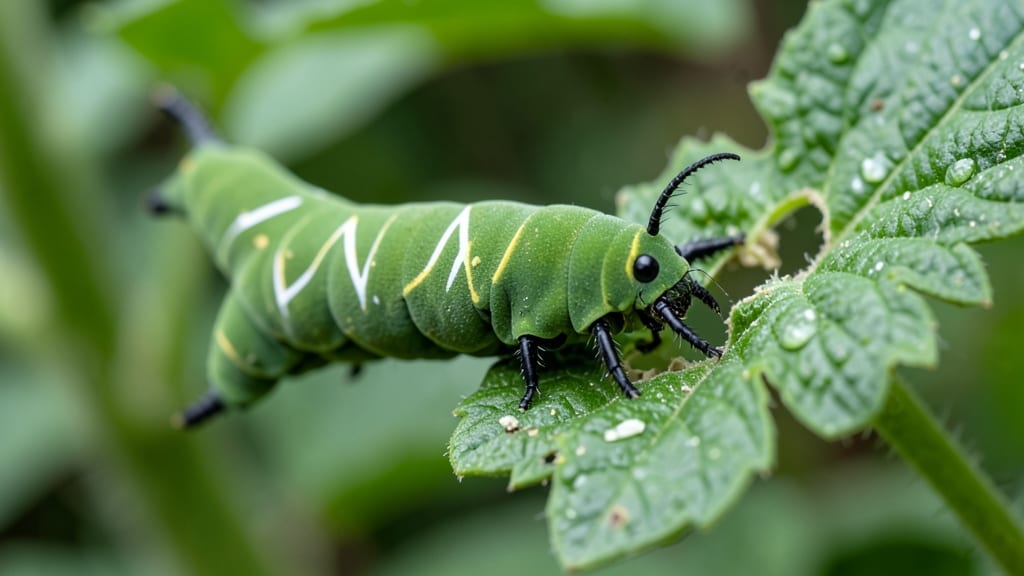
When the caterpillar eating tomato plants strikes overnight, panic isn’t the answer—action is. 🌱 I’ve lost entire plants to hornworms and fruitworms, but these organic barriers stop them cold in 24 hours without chemicals. The key? Disrupt their access while preserving your harvest.
Most damage comes from hornworms (green striped monsters) or fruitworms (tiny but relentless). They skeletonize leaves, burrow into fruit, and leave behind a trail of silver-green poop that’s impossible to miss. The good news? Physical barriers like row covers or collars around stems work faster than sprays.
By morning, you’ll see caterpillars trapped under barriers or deterred entirely. No more wilted vines or half-eaten tomatoes—just healthy plants and a garden that thrives without harsh chemicals. Let’s build your defense line.
Root Causes of Tomato Devastation
If you’ve ever checked your tomato plants only to find them stripped bare by tiny, voracious caterpillars, you’re not alone. These leaf-munching pests don’t just appear out of nowhere—they’re drawn to your garden for specific reasons.
Understanding why they target your tomatoes is the first step to stopping them in their tracks. Let’s break down the science behind their appetite.
Tomato plants are like an all-you-can-eat buffet for caterpillars, thanks to their nutrient-rich foliage and soft, tender leaves. Here’s why they’re such a magnet:
- High Water Content: Caterpillars thrive on plants with high moisture levels, and tomato leaves are juicy and easy to digest. 💧
- Rich in Nitrogen: Healthy tomato plants are nitrogen-packed, which speeds up caterpillar growth. Think of it as a fast-food diet for pests!
- Scent and Volatiles: Tomato plants emit volatile organic compounds (VOCs) that caterpillars can detect from a distance. These chemical signals act like a dinner bell. 🔔
- Young, Delicate Growth: New shoots and leaves are especially vulnerable because their thin cell walls are easier to chew through.
Pro Tip: 💡 If your tomatoes are over-fertilized with nitrogen, you’re essentially serving them a buffet. Balance your fertilizer with phosphorus and potassium to make your plants less appealing.
Caterpillars don’t just choose tomato plants—they’re often programmed to do so. Many tomato-destroying species, like the hornworm or tomato fruitworm, lay eggs specifically on tomato plants because:
- Host Plant Preference: Female moths seek out tomato plants to lay eggs because they know the caterpillars will have a reliable food source. It’s survival of the fittest! 🦋
- Timing Matters: Eggs hatch when tomato plants are at their most vulnerable—during peak growth (spring to early summer). This synchronization ensures caterpillars have a steady meal. ⏳
- Rapid Growth Rate: Caterpillars molt (shed their skin) multiple times, growing exponentially. A single egg can turn into a leaf-devouring monster in just 2 weeks.
Key Insight: 🔍 If you spot tiny green eggs or black droppings (frass) on leaves, you’ve got a caterpillar infestation in the making. Act fast—these pests don’t wait!
Your garden’s environment plays a huge role in whether caterpillars see your tomatoes as a five-star resort or a no-go zone. Common conditions that attract them include:
| Factor | Why Caterpillars Love It |
|---|---|
| 🌞 Overhead Watering | Wet foliage attracts egg-laying moths and keeps caterpillars hydrated. Plus, damp leaves are easier to chew. 💦 |
| 🍃 Dense, Unkempt Plants | Thick foliage provides hiding spots for caterpillars and makes spotting them harder. It’s like a caterpillar’s stealth mode! 🕵️ |
| 🌻 Nearby Weeds & Wild Plants | Many caterpillars start on weeds (like nightshade or dandelions) before migrating to tomatoes. These act as training grounds for young pests. 🏋️ |
| 🌡️ Warm, Humid Climates | Caterpillars metabolize faster in heat and humidity, leading to quicker reproduction cycles. Think of it as their version of a tropical vacation. 🏝️ |
Actionable Fix: ✨ Prune your tomato plants for better airflow, avoid watering leaves (water at the base instead), and remove nearby weeds to break the caterpillar’s chain of command.
Now that you know why caterpillars are feasting on your tomatoes, the next step is building a fortress to keep them out. Stay tuned!
Stop Caterpillars Destroying Tomatoes Fast
When caterpillars turn your tomato plants into a buffet, panic isn’t the answer—action is! Below are targeted solutions to tackle the problem based on the most common causes, from quick fixes to long-term prevention. Each method is designed to work fast while keeping your garden organic and thriving.
If you spot caterpillars early, the fastest way to stop the damage is to remove them manually. This method is chemical-free, cost-effective, and works immediately.
- 👨🍳 Step 1: Scout at Dawn or Dusk Caterpillars are most active during cooler parts of the day. Inspect leaves (especially undersides) for green or brown fuzzy caterpillars, hornworms, or loopers.
- 🔪 Step 2: Drop Them in Soapy Water Pick caterpillars off by hand and drop them into a bucket of soapy water (1 tsp dish soap per gallon). This kills them instantly without harming plants.
- ⏰ Step 3: Repeat Daily for 3 Days Check plants every morning and evening. Even one missed caterpillar can lay eggs, so consistency is key.
💡 Pro Tip: Wear gloves if you’re squeamish—some caterpillars (like tomato hornworms) have tiny hairs that can irritate skin.
If handpicking isn’t enough, organic sprays disrupt caterpillars’ feeding habits without chemicals. These work best when applied in the early evening to avoid harming bees.
| Spray Type | How to Use | Reapply Every |
|---|---|---|
| Neem Oil | Mix 1 tbsp neem oil + 1 tsp mild soap in 1 quart water. Spray directly on leaves. | 5–7 days |
| Bacillus thuringiensis (Bt) | Stir 1 tbsp Bt powder into 1 quart water. Spray on caterpillars (not flowers). | 7–10 days |
| Spinosad (Organic) | Follow label instructions (usually 1 tsp per gallon). Avoid spraying when bees are active. | 10–14 days |
🌡️ Important: Always test sprays on a small leaf first—some plants (like peppers) can be sensitive to neem oil.
If caterpillars keep returning, block their access with simple, low-tech barriers. These methods are great for prevention and work well for young plants.
- 🍳 Row Covers or Netting Drape fine mesh netting (like bird netting) over tomato plants. Secure edges with rocks or stakes. Remove when flowers appear to allow pollination.
- 🥘 Collar Wraps for Stems Wrap cardboard collars (cut from egg cartons) around stems to prevent caterpillars from crawling up from the soil.
- 🌿 Mulch with Diatomaceous Earth (DE) Sprinkle food-grade DE around the base of plants. It’s a natural abrasive that dehydrates caterpillars. Reapply after rain.
✨ Bonus Tip: Plant basil, marigolds, or dill near tomatoes—their strong scents repel caterpillars naturally!
Shift the battle to caterpillar predators or lure them away with trap crops. This is the most sustainable solution for heavy infestations.
- 🍅 Plant Trap Crops Grow nasturtiums or collard greens nearby—caterpillars prefer these over tomatoes. Harvest them regularly to keep populations low.
- 🐝 Introduce Ladybugs & Parasitic Wasps Purchase ladybug larvae or trichogramma wasps (tiny, non-stinging parasites) from garden centers. Release them in the evening when they’re most active.
- 🥚 Encourage Birds & Frogs Add a birdbath or pond to attract natural predators. Even a simple shallow dish with water can help!
🎯 Remember: The key to organic pest control is diversity. Combine 2–3 methods for the best results.
With these fast, organic solutions, you can save your tomato plants in 24 hours or less—and keep them caterpillar-free for the season! 🍅🚫🐛
Frequently asked questions
What are the most common caterpillars that attack tomato plants?
The two biggest culprits are tomato hornworms (green with white stripes) and tomato fruitworms (small, green, and fuzzy). Hornworms can grow up to 4 inches long and devour entire leaves overnight, while fruitworms tunnel into tomatoes. Look for their distinctive black droppings (frass) on leaves as a dead giveaway.
How quickly can caterpillars destroy a tomato plant?
A single hornworm can strip a tomato plant of all its leaves in just 24-48 hours if left unchecked. Fruitworms work slower but can ruin entire crops by burrowing into fruit. The key is acting within 24 hours of noticing damage—early intervention prevents total devastation.
Will neem oil really stop caterpillars from eating my tomatoes?
Neem oil disrupts caterpillars' feeding habits and growth hormones, but it won't kill them instantly. For best results, spray in the evening when caterpillars are most active, and reapply every 5-7 days. Combine it with handpicking for faster results—neem oil works best as part of a layered defense strategy.
Can I use coffee grounds to repel caterpillars from my tomato plants?
Coffee grounds can help slightly by adding nitrogen to the soil, but they won't repel caterpillars like some myths suggest. For better results, use diatomaceous earth (DE) around plant bases—it dehydrates caterpillars. If you want to use coffee grounds, mix them with spinosad for a stronger organic deterrent.
What should I do if caterpillars have already damaged my tomato fruits?
Remove any damaged fruit immediately to prevent further spread of pests. For minor damage, you can still save the tomato by washing it thoroughly before eating. If the fruit has holes or tunnels, compost it instead. Focus on protecting new growth with row covers or Bt spray to prevent future infestations.