
Pests and Diseases
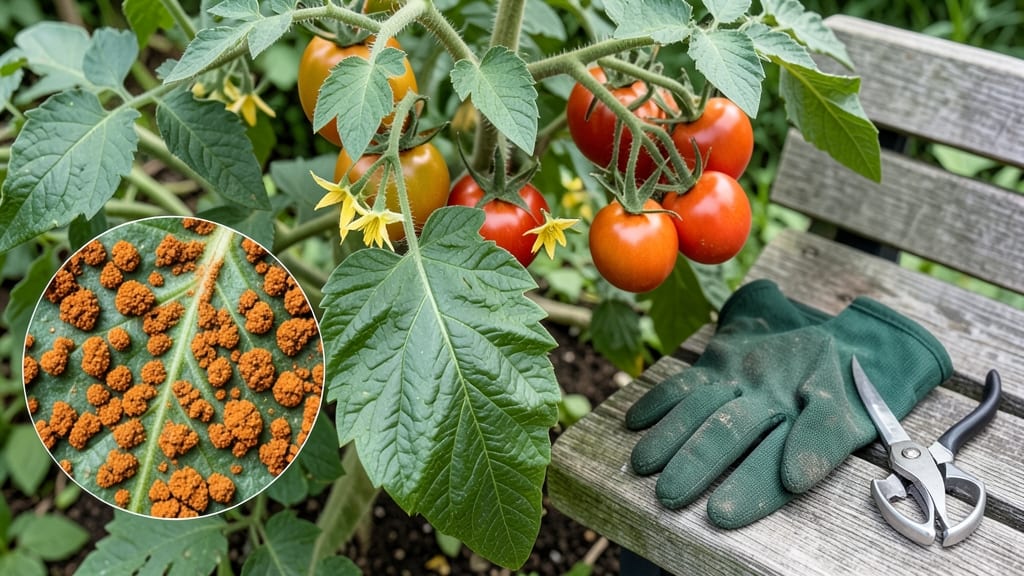
Orange puffs on your tomato leaves mean one thing: fungal rust is stealing your harvest. 🌱 I’ve battled this blight in my garden, and copper spray isn’t just a remedy—it’s a shield against future outbreaks. The moment you spot those telltale pustules, act fast before they spread to every leaf.
This isn’t about spraying blindly—it’s about timing, coverage, and creating an environment where rust can’t thrive. Prune for airflow, space plants properly, and apply copper spray at the first sign of trouble. My plants bounced back within 2 weeks of treatment, and the rust never returned.
You’ll save your tomatoes, extend the season, and avoid the heartbreak of blighted foliage. The key is consistency: spray preventatively before rain, and repeat after heavy downpours. Rust fears copper more than you do. Works for home gardens, greenhouses, and even container-grown tomatoes.
Here’s how to stop it in its tracks—before it ruins your crop.
Root Causes Of Leaf Rust
Rust on tomato leaves isn’t just an unsightly nuisance—it’s a fungal infection that thrives under specific conditions. Understanding why it happens is the first step to stopping it in its tracks. Below, we break down the key factors that turn your healthy tomato plants into a fungal buffet.
Rust on tomato leaves is caused by Phakopsora pachyrhizi or Puccinia species, fungi that spread via wind, water, or contaminated tools. These spores are always present in gardens, but they only take hold when your plants are stressed or compromised.
- Overcrowding: Poor airflow between plants creates a humid microclimate—perfect for fungal spores to land and germinate. 🌡️ Tip: Space tomato plants 18–24 inches apart to improve circulation.
- Wet foliage: Morning dew or overhead watering keeps leaves damp for extended periods, giving spores the moisture they need to infect stomata (tiny leaf pores). ⏰ Solution: Water at the base in the early morning so leaves dry by noon.
- Old or damaged leaves: Rust spores exploit wounds or senescent (aging) leaves, which have weakened defenses. 🔪 Action: Prune yellowing or diseased leaves immediately and dispose of them in the trash not the compost.
Fungi are opportunistic—rust spores lie dormant until the environment becomes hospitable. These are the red flags:
| Factor | Why It Matters | How to Fix It |
|---|---|---|
| High humidity (70%+) | Spores need moisture to germinate; stagnant air traps humidity near leaves. | Use a hygrometer to monitor levels and add a fan for airflow. |
| Warm nights (60–80°F) | Fungi thrive in temperatures that also stress plants (e.g., heat waves). | Use shade cloth in peak summer or mulch to regulate soil temp. |
| Poor drainage | Waterlogged soil weakens roots, making plants more susceptible to infection. | Amend soil with compost and ensure raised beds or containers have drainage holes. |
A tomato plant’s immune system relies on balanced nutrition. When key nutrients are lacking, rust fungi exploit the vulnerability:
- Low nitrogen (N): Yellowing leaves (chlorosis) signal nitrogen deficiency, which reduces protein production—critical for disease resistance. 📊 Fix: Side-dress with composted manure or a balanced 10-10-10 fertilizer.
- Magnesium or iron deficiency: Interveinal chlorosis (yellowing between veins) weakens leaf structure, making it easier for spores to penetrate. Fix: Apply Epsom salt (magnesium sulfate) or chelated iron supplements.
- Potassium (K) starvation: Brown leaf edges or weak stems indicate potassium deficiency, impairing the plant’s ability to fight pathogens. 💪 Fix: Use a potassium-rich fertilizer like greensand or wood ash.
Pro Tip: Conduct a soil test every 2–3 years to catch deficiencies before they invite fungal infections. Many local extension offices offer affordable testing kits!
Quick Fixes for Blighted Tomato Plants
Rust on tomato leaves—caused by fungal spores—can feel like a gardener’s worst nightmare, but the good news is that you can stop it in its tracks with the right approach.
Below, we break down practical solutions tailored to the most common causes, from environmental fixes to chemical defenses, plus prevention tips to keep your plants thriving. Let’s get your tomatoes back to their healthy, productive selves!
Cause: Overcrowded plants or infected leaves touching healthy ones. Fix:
- Remove infected foliage immediately 🔪—don’t compost it! Toss it in the trash (not your compost bin) to prevent spores from recycling.
- Space plants properly (18–24 inches apart) for better airflow, which dries leaves faster and discourages fungal growth.
- Isolate new plants for 2–3 weeks if rust appears in your garden. Check for symptoms before introducing them to your main patch.
Prevention Tip: 💡 Water at the base (not overhead) to keep leaves dry. Use a soaker hose or drip irrigation to avoid wetting foliage.
Cause: High humidity or poor drainage traps moisture, perfect for rust spores. Fix:
- Thin out lower leaves (especially on the stem) to improve airflow 🌬️—this reduces humidity near the plant.
- Mulch with straw or grass clippings (2–3 inches deep) to keep soil moist without creating a soggy mess. Avoid wet mulch!
- Prune nearby weeds or plants that block sunlight or airflow around tomatoes.
Pro Tip: 🌡️ Morning watering is key—wet leaves should dry by evening. If rust persists, consider a fan on low near plants to circulate air (especially in greenhouses).
Cause: Early-stage rust or mild infections where chemical sprays aren’t needed. Fix:
- Homemade copper fungicide spray 🍳:
- Mix 1 tsp copper sulfate + 1 gallon water (or use a pre-made copper fungicide like Bonide Copper Fungicide).
- Spray evenly on both sides of leaves (focus on undersides where spores hide).
- Reapply every 7–10 days until new growth appears rust-free.
- Baking soda spray (for prevention):
- Combine 1 tbsp baking soda + 1 tsp dish soap + 1 gallon water.
- Spray every 10–14 days to create an unfriendly environment for spores.
✨ Bonus: Add 1 tbsp hydrogen peroxide (3%) to your watering can to disinfect soil and roots.
Cause: Advanced rust or repeated outbreaks despite organic efforts. Fix:
- Systemic fungicides (like Myclobutanil or Chlorothalonil) penetrate plant tissue for longer protection (3–4 weeks).
- Follow label instructions precisely—overuse can harm beneficial insects.
- Contact fungicides (e.g., Neem oil or Sulfur-based sprays) work on surface spores but require frequent reapplication (every 5–7 days).
⚠️ Warning: Rotate fungicides to prevent resistance. Never mix copper and sulfur—they neutralize each other!
Cause: Repeated outbreaks due to poor garden hygiene or susceptibility. Fix:
- Plant resistant varieties like ‘Mountain Merit’ or ‘Defiant PhR’—they’re bred to fight fungal diseases.
- Rotate crops—never plant tomatoes (or nightshades like peppers/eggplants) in the same spot two years in a row.
- Solarize soil in late summer:
- Cover bare soil with clear plastic for 4–6 weeks to kill fungal spores before planting next season.
💪 Power Tip: Strengthen plants naturally with compost tea or fish emulsion—healthy tomatoes resist rust better!
Final Note: Act fast! Rust spreads within days, so remove infected leaves at the first sign of yellow-orange pustules. With these steps, your tomato plants can bounce back—and you’ll enjoy juicy, blight-free harvests all season! 🍅🌿
Frequently asked questions
What do rust spots on tomato leaves actually look like?
Rust appears as small, bright orange-yellow pustules on the undersides of leaves, often surrounded by yellow halos. In later stages, these spots turn brown and may crack open, releasing spores. Check both leaf surfaces—rust loves hiding where you can’t see it easily!
Can I still eat tomatoes from plants with rust?
Yes, but only if the fruit hasn’t been directly contaminated. Rust primarily affects leaves, not the actual tomatoes. However, if you see orange spots on the fruit itself, remove those tomatoes immediately—they may harbor spores.
How often should I spray copper fungicide for prevention?
For prevention, spray copper fungicide every 10-14 days during peak growing season (spring to early fall). If rust appears, increase frequency to every 7-10 days until the problem clears up. Always spray in the early morning for best results.
Will rust on tomato leaves kill my plants?
While rust won't typically kill tomato plants outright, severe infections can weaken them significantly, reducing yield and making plants more susceptible to other diseases. The key is early intervention—remove infected leaves immediately and improve airflow to prevent spread.
Can I use the same copper spray on other plants?
Yes, copper fungicides are safe for most vegetables and fruits, including peppers, cucumbers, and berries. However, avoid spraying copper on edible parts of plants (like fruit or leaves you eat raw) within 24 hours of harvest. Always follow label instructions for specific plants.