
Companion Plants
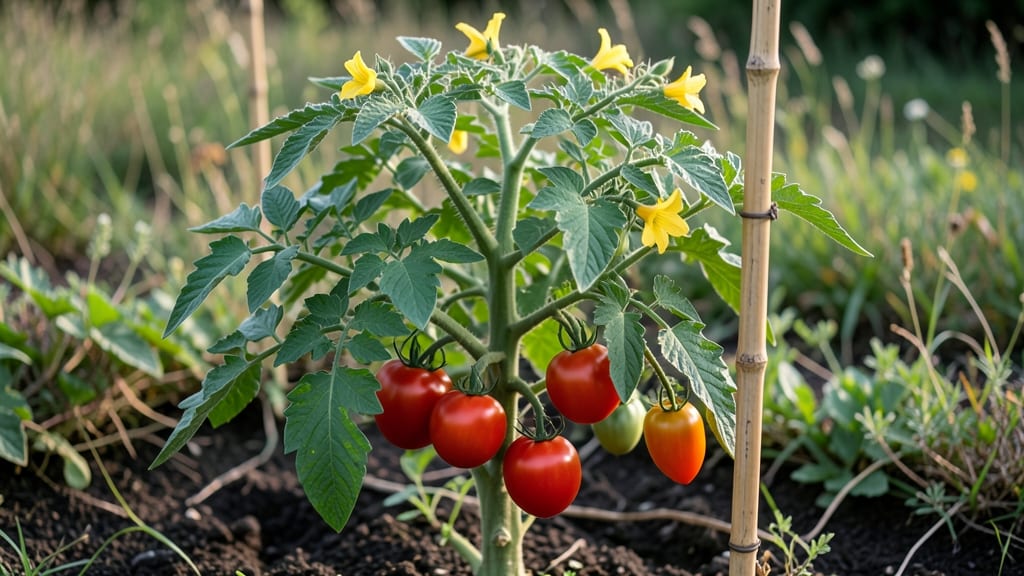
Growing Roman tomato plants means no trellis, no fuss, just towering vines loaded with heavy, beefsteak-sized fruit that taste like summer in every bite. 🌱 These heirlooms grow wild—literally—reaching 6-10 feet without support, and the flavor?
Sweet, smoky, and complex enough to make store-bought tomatoes taste like cardboard. The secret’s in their indeterminate growth and thick stems, which handle the weight like pros.
The real magic happens in well-draining soil mixed with compost—think loose, crumbly, and rich enough to feed those hungry vines. Plant after your last frost when soil hits 60°F, spacing them 3-4 feet apart so they don’t crowd.
Sunlight is non-negotiable: 6-8 hours daily, and more is better for that signature flavor. Water deeply once a week (or more in heatwaves), keeping soil consistently moist but never soggy—Roman tomatoes hate wet feet.
You’ll start seeing first blossoms in 6-8 weeks, followed by fruit that ripens late summer through fall. Prune suckers (those little shoots in the leaf axils) to focus energy on fruit, not foliage, and stake them early if needed—though many gardeners swear these vines can stand alone.
The payoff? Pounds of tomatoes per plant, each one a juicy, meaty masterpiece.
Common pitfalls? Blossom end rot (calcium deficiency—fix with crushed eggshells) and cracked fruit (steady watering helps). Pests like hornworms love them too, so scout leaves regularly. But once you taste that first ripe Roman? You’ll be hooked—no trellis required.
📚 In This Guide
- What you need
- Instructions
- Tips and common mistakes
- Wrapping up and next steps
What you need
- ● Roman tomato seeds or seedlings: Choose heirloom varieties like Roma or Plum (2-4 plants per person, depending on yield goals).
- ● Garden space: A sunny spot (6+ hours of direct sunlight daily) with well-draining soil. Minimum space: 18-24 inches between plants, 36 inches between rows.
- ● Compost or organic fertilizer: 5-10-10 or balanced (10-10-10) fertilizer (1 cup per plant at planting, then monthly).
- ○ Support structures (optional but recommended): Cage-free alternatives: Sturdy stakes (5-6 ft tall, 2-inch diameter), bamboo poles, or DIY tomato towers (wooden frames with chicken wire or twine).
- ● Heavy-duty twine or plant ties: 10-15 ft per plant (for securing vines to supports).
- ● Mulch: Straw or shredded leaves (2-3 inches thick) to retain moisture and suppress weeds.
- ● Watering can or drip irrigation: Consistent moisture is key! Aim for 1-2 inches per week.
- ● Pruning shears: Sharp, clean pair for trimming suckers and dead leaves.
- ● Epsom salt: 1 tablespoon per plant (mixed with water) for magnesium boosts.
- ● Café grounds: Sprinkle around the base to deter pests and add nitrogen.
- ● Companion plants: Basil, marigolds, or onions to repel pests and improve flavor.
- ● Shade cloth: For hot climates (30-50% shade during peak afternoon sun).
How to grow Roman tomato plants without a trellis
This method transforms sprawling vines into sturdy, trellis-free towers—ideal for small spaces.
🌱 Step 1: Choose the Right Support Structure
Roman tomatoes need strong vertical support to handle their heavy fruit load. I use 4-foot-tall bamboo stakes (3 per plant) or a heavy-duty wire cage (at least 24 inches tall). The key is stability—wind or fruit weight can snap flimsy supports. Position stakes 6 inches from the stem in a triangle formation for maximum balance.
If using stakes, tie the main stem to the center stake with soft plant ties (never wire—it cuts into stems). For cages, gently weave the vines through the wires as they grow. This prevents stem breakage when fruit swells. Check ties every 7-10 days—they loosen as the plant thickens.
☀️ Step 2: Position for Maximum Sun and Airflow
Roman tomatoes thrive in full sun (8+ hours daily) but hate humidity. Place them where morning sun dries dew quickly—this prevents blossom end rot and fungal diseases. If your climate is hot, provide afternoon shade during peak summer to prevent sunscald on fruit.
Space plants 3 feet apart in rows 4 feet apart for airflow. Crowding leads to poor fruit set and pests. If growing in containers, use 5-gallon pots with tomato cages—container-grown Romans produce earlier and heavier than ground plants. Mulch with straw to keep soil 60-70°F—cooler roots reduce flowering.
🌿 Step 3: Prune for Strength and Fruit Production
Roman tomatoes don’t need aggressive pruning like other varieties, but strategic cuts boost yield. Remove suckers (side shoots) only if they’re larger than a pencil—small ones can be left to increase branching for more fruit clusters. Pinch off lower leaves touching the soil to prevent disease and improve airflow.
Focus on maintaining 3-4 main stems per plant. When fruit sets, reduce watering slightly to stress the plant just enough to concentrate sugars—this makes tomatoes sweeter and thicker. Watch for yellowing leaves (a sign of overwatering) or cracked fruit (too much water after dry spells). Adjust irrigation to keep soil evenly moist but not soggy.
💧 Step 4: Fertilize for Heavy Fruit Loads
Roman tomatoes are heavy feeders, so side-dress with compost every 4-6 weeks. I use a balanced 10-10-10 fertilizer at half-strength when flowers appear, then switch to a low-nitrogen, high-phosphorus (5-10-10) once fruit sets. Over-fertilizing with nitrogen delays ripening and reduces flavor.
Add 1 tablespoon of Epsom salt per plant every 2 weeks during flowering to prevent blossom drop. Mix it into water and apply at soil level—never spray on leaves. If you notice small, hard fruit that never ripens, it’s a sign of calcium deficiency. Apply crushed eggshells around the base or use a calcium nitrate spray to fix it.
✂️ Step 5: Harvest and Support as Fruit Swells
Harvest Romans when they’re fully red and slightly soft to touch—waiting too long makes them mealy. Use pruning shears to cut stems ¼ inch above the fruit to prevent rot. The weight of the fruit is what tests your support system, so check ties weekly as tomatoes grow. If a vine sags under weight, add a secondary stake or weave more wire into the cage.
For extra-large fruit, I prop up the heaviest clusters with small wooden dowels tucked under them. This prevents stem breakage and uneven ripening. Store harvested tomatoes at room temperature—never in the fridge until fully ripe. The more you pick, the more the plant produces, so harvest frequently to extend the season.
Tips & tricks for growing towering Roman tomato plants
Here's what I've learned after years of growing these heavy-fruited giants without trellises—these details make all the difference.
Support System Stability: The triangle formation of three 4-foot bamboo stakes is non-negotiable for Romans. I've seen plants snap when using only two stakes or flimsy garden stakes. For extra insurance, especially in windy areas, add a fourth stake at the base to create a pyramid structure. This distributes the weight of those massive tomatoes more evenly. The key is to position stakes 6 inches from the stem—too close and you'll damage the plant as it grows.
Pruning Precision: When maintaining 3-4 main stems, focus on removing suckers that are larger than a pencil. Those smaller ones? Leave them—they create additional branching that supports more fruit clusters. I've noticed that plants with too many pruned suckers often produce fewer but larger tomatoes, while those with some natural branching yield more consistent medium-sized fruit. This balance is particularly important for Romans, which naturally grow more determinate than other heirlooms.
Soil Temperature Secrets: Keeping soil between 60-70°F is crucial, but don't just guess—use a soil thermometer. I've had seasons where my soil stayed too cool, and the flowering was minimal. For container growers, use black pots—they absorb more heat. In cooler climates, consider using row covers for the first few weeks to warm the soil. The difference in fruit set between 60°F and 70°F soil is dramatic for Romans.
Harvesting Technique: That ¼-inch stem when harvesting isn't just about preventing rot—it's about preserving the plant's energy. I've seen gardeners cut too close, which creates entry points for disease. For the truly massive tomatoes (3+ pounds), I use a small wooden dowel tucked under the fruit to share some of the weight with the support system. This prevents the stem from snapping under the load while the tomato is still growing.
Pro Tips for Roman Tomato Plants
- Here's what I've learned after years of growing these heavy-fruited giants without trellises—these details make all the difference.
- Support System Stability: The triangle formation of three 4-foot bamboo stakes is non-negotiable for Romans.
- Pruning Precision: When maintaining 3-4 main stems, focus on removing suckers that are larger than a pencil.
Frequently asked questions
Got questions about growing Roman tomato plants? You’re not alone! These towering vines are a gardener’s dream—but they do come with unique needs. Below, we’ve rounded up the most common questions (and answers) to help you grow like a pro.
How tall do Roman tomato plants get, and do they really need a trellis?
Roman tomatoes can reach 8–10 feet tall if left unpruned! While they don’t require a traditional trellis, they do need sturdy support—like a cage or stakes—to prevent sprawling and breakage. Their heavy fruit can weigh down vines, so early support is key!
When should I plant Roman tomato seeds or seedlings?
Start seeds indoors 6–8 weeks before your last frost date (typically March–April in most zones). Transplant seedlings after soil temps hit 55°F+ and nighttime temps stay above 50°F. Roman tomatoes thrive in long, warm seasons, so avoid early planting—they’re sensitive to cold!
How do I prune Roman tomatoes for better fruit production?
Prune sparingly—Roman tomatoes are indeterminate but produce best with minimal pruning. Remove suckers (side shoots) below the first flower cluster to direct energy to fruit. Focus on airflow and removing diseased leaves. Over-pruning can reduce yields, so less is more!
What pests or diseases should I watch for with Roman tomatoes?
Common threats include:
- Blossom end rot: Caused by calcium deficiency or inconsistent watering. Fix with calcium supplements and mulch.
- Hornworms: Giant green caterpillars that devour leaves. Handpick or use BT spray.
- Fungal diseases (early blight): Prune for airflow and avoid overhead watering.
Rotate crops yearly to prevent buildup!
Can I grow Roman tomatoes in containers, or do they need a garden bed?
Yes! Roman tomatoes thrive in containers if the pot is at least 5 gallons (bigger is better for height). Use a well-draining mix with tomato-specific fertilizer and place in full sun. Just ensure the container has sturdy support—they’ll lean!
Pro Tip:
For heavier yields, try topping Roman tomatoes in late summer (pinching the top growth) to redirect energy to ripening fruit. Just do this after 4–5 fruit clusters have set!
Wrapping up and next steps
Growing Roman tomato plants is a rewarding journey that blends simplicity with bountiful results—no trellis needed! 🌱 With the right support system and companion plants, these vining wonders thrive while yielding heavy, flavorful fruit.
Whether you're a seasoned gardener or just starting out, their adaptability makes them a fantastic addition to any garden.
Ready to harvest your own towering Roman tomatoes? Start by gathering your materials, sketching a layout, and planting with confidence. Before you know it, you’ll be savoring homegrown tomatoes straight from the vine—no climbing required! 🍅✨