
Vegetables
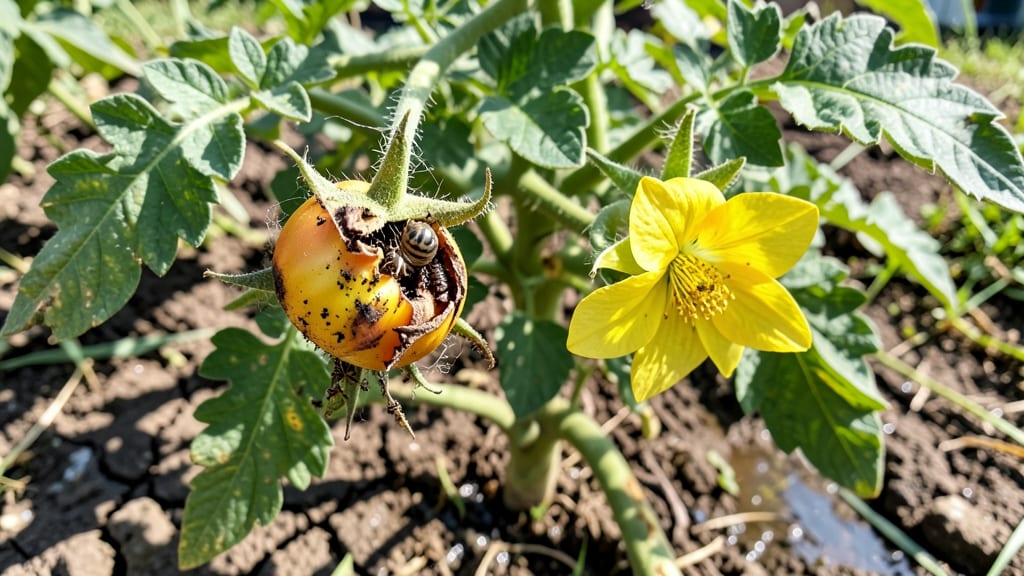
When the tomato flowers are dying before setting fruit, it’s not just frustrating—it’s a clear signal your plants need help. 🌱 I’ve seen this happen in my own garden, where blooms would shrivel up and fall off, leaving me wondering if the harvest was doomed before it even started.
The good news? Most cases are fixable with simple adjustments to water, nutrients, and environment.
Common culprits include uneven watering (especially when roots dry out), sudden heat waves that stress the plant, or even pests like hornworms munching on flowers before they can set fruit.
I once lost an entire batch of heirloom tomatoes because I ignored the wilting blossoms—until I realized it was a calcium deficiency causing the problem. Once I added crushed eggshells to the soil, the next flush of flowers stayed put and produced heavy fruit.
You’ll be able to save your current crop and prevent future losses with just three targeted fixes: consistent moisture (1–1.5 inches per week), a balanced fertilizer boost (especially phosphorus for blooms), and shade cloth on scorching days.
Within days, you’ll see flowers holding firm and starting to swell into tomatoes. The best part? These same steps protect your plants from blossom end rot and fungal issues too.
Works for both backyard gardens and container-grown tomatoes—just scale the water and fertilizer amounts to your pot size. The key is acting fast: once flowers drop, the window to save that season’s fruit closes quickly. Let’s turn those wilting blooms into a bountiful harvest before it’s too late.
Why it happens
When your tomato flowers start wilting and dropping off before they can turn into fruit, it’s often a sign that something fundamental is off in their care. Understanding the why behind this issue is the first step to saving your harvest.
Below, we break down the most common culprits—each with a clear, science-backed explanation and actionable insights to address them.
🌡️ Extreme Temperature Swings
Tomatoes are heat-loving plants, but they’re also sensitive to sudden temperature shifts. When nighttime temperatures dip below 55°F (13°C) or daytime highs exceed 90°F (32°C), flower production can stall, and existing blooms may wither.
This phenomenon is called flower drop, and it’s triggered by hormonal imbalances caused by stress.
Why it happens:
- Cold stress: Low temps disrupt the plant’s ability to produce ethylene and auxin, hormones critical for fruit development. Flowers may abort before pollination.
- Heat stress: High temps cause protein denaturation in pollen, reducing fertility. Flowers may form but fail to set fruit.
Pro tip: Use row covers for early-season protection or provide afternoon shade cloth (30-50%) during heatwaves. 🌡️
💧 Watering Woes: Too Much or Too Little
Tomatoes have shallow roots and are thirsty but hate soggy feet. Overwatering or underwatering can both lead to flower death, but for different reasons.
Why it happens:
- Underwatering: When soil dries out, the plant’s transpiration rate spikes, causing osmotic stress. Flowers wilt and drop as the plant prioritizes survival over reproduction.
- Overwatering: Excess moisture leads to root asphyxiation (lack of oxygen) and fungal infections like Phytophthora, which clog roots and starve the plant of nutrients. Wilting blooms are a red flag.
Actionable fix: Water deeply 1-2 times per week (depending on climate), aiming for 1-1.5 inches of water per week. Use drip irrigation or soaker hoses to keep moisture consistent at the root zone. 💧
🌱 Nutrient Deficiencies or Imbalances
Tomatoes are heavy feeders, and a lack of specific nutrients can cause flowers to abort. The most critical nutrients for blooming and fruiting are phosphorus, potassium, and calcium.
Why it happens:
| Nutrient | Symptom in Flowers | Cause |
|---|---|---|
| Phosphorus (P) | Small, weak flowers; slow development | Phosphorus is essential for energy transfer in cells, including those forming flowers and fruit. Deficiency stalls growth. |
| Potassium (K) | Flowers drop prematurely; poor fruit set | Potassium regulates enzyme activity and water balance. Low levels make plants susceptible to stress, leading to flower abortion. |
| Calcium (Ca) | Blossom-end rot in developing fruit; deformed flowers | Calcium is crucial for cell wall structure. Even if flowers form, they may fail to pollinate or develop properly. |
Fix it fast: Apply a balanced fertilizer (10-10-10 or 5-10-10) at the first sign of deficiency, or use Epsom salt (magnesium sulfate) for potassium support. For calcium, add crushed eggshells or calcium nitrate to the soil. 🌱
🐝 Lack of Pollination or Poor Pollinator Activity
Tomatoes are self-pollinating, but they still rely on vibration and wind to transfer pollen from the anther to the stigma. Without proper pollination, flowers may form but fail to develop into fruit.
Why it happens:
- No bees or wind: Indoor plants or those in low-pollinator areas (like urban gardens) may suffer from poor pollination. Flowers can drop if they don’t receive the right stimulus.
- Humidity issues: High humidity can cause pollen to stick to the anther instead of releasing, preventing transfer.
- Genetic factors: Some tomato varieties (like cherry tomatoes) have smaller flowers and may require gentle shaking to release pollen.
DIY pollination: Use a soft paintbrush or your finger to gently touch each flower’s center for 2-3 days after blooming. For outdoor plants, attract pollinators with native flowers or bee-friendly herbs like basil and oregano. 🐝
🦠 Pests and Diseases Disrupting Growth
Hidden invaders can silently sabotage your tomato’s ability to produce flowers. Common culprits include aphids, whiteflies, and fungal pathogens like early blight or powdery mildew.
Why it happens:
- Sap-sucking pests (aphids, whiteflies): These insects inject toxins and steal nutrients, causing flowers to curl, yellow, and drop.
- Fungal infections: Diseases like early blight create lesions on leaves, reducing the plant’s ability to photosynthesize. Without energy, flowers wilt and fall off.
- Root damage (nematodes, rot): Underground pests or overwatering can sever root systems, starving the plant of water and nutrients needed for blooms.
Defense strategy:
- Inspect leaves daily for pests. Blast off aphids with a strong spray of water or use neem oil as a natural repellent.
- Apply copper fungicide at the first sign of fungal spots to prevent spread.
- Rotate crops annually to break pest/disease cycles in the soil.
Revive Your Tomato Plants Now
When your tomato flowers start wilting or dropping without setting fruit, panic isn’t the answer—action is. The good news? Most causes are fixable with targeted care. Below, we break down practical solutions for each common issue, so you can save your plants and still enjoy a bountiful harvest. 🍅✨
Signs: Flowers drop suddenly, leaves wilt, or growth stalls in extreme heat or cold snaps.
Fix It:
- 🌡️ Shield from Heat Stress: If temps exceed 90°F (32°C), provide afternoon shade with a lightweight row cover or shade cloth (30-50%). Mulch with straw or grass clippings to keep roots cool.
- ❄️ Protect from Cold: Tomatoes need warmth to pollinate. If nights dip below 55°F (13°C), cover plants with frost blankets or move potted tomatoes to a sheltered spot.
- 💨 Boost Airflow: Crowded plants overheat. Prune suckers (side shoots) to improve circulation and reduce humidity buildup.
Prevention Tips:
- 🌱 Choose Heat-Tolerant Varieties: Try ‘Solar Fire,’ ‘Heatmaster,’ or ‘Celebrity’ tomatoes for hot climates.
- 💡 Water Deeply in Heat: Early morning watering (1–1.5 inches per week) prevents stress. Avoid wetting leaves to reduce disease risk.
Signs: Flowers drop, leaves yellow, or soil feels soggy (overwatered) or dry and cracked (underwatered).
Fix It:
- 🔥 Check Soil Moisture: Stick your finger 1 inch deep—if dry, water deeply. If soggy, hold off until the top 2–3 inches dry out.
- 🍳 Fix Overwatering:
- Improve drainage by adding perlite or compost to heavy soil.
- Ensure pots have drainage holes and saucers underneath.
- 👨🍳 Fix Underwatering:
- Water slowly at the base (not overhead) to encourage deep root growth.
- Use drip irrigation or soaker hoses for consistent moisture.
Prevention Tips:
- 🌡️ Mulch Like a Pro: Apply 2–3 inches of mulch (straw, wood chips) to retain moisture and regulate soil temp.
- 🎯 Water Wisely: Early morning (6–10 AM) is best—avoid evening watering to prevent fungal issues.
Signs: Flowers form but drop before fruiting, or fruit is small/deformed (common in greenhouses or low-bee areas).
Fix It:
- 🐝 Hand-Pollinate: Use a small paintbrush or cotton swab to gently transfer pollen from male (outer) stamens to the female (center) stigma of each flower. Do this early morning when flowers are open.
- 🍳 Attract Pollinators: Plant bee-friendly flowers nearby (basil, marigolds, alyssum) and avoid pesticides.
- ⏰ Shake It Up: For outdoor plants, gently shake the stems in the morning to dislodge pollen.
Prevention Tips:
- 💡 Choose Self-Pollinating Varieties: ‘Cherry tomatoes’ (like ‘Sweet 100’) or ‘Roma’ are less dependent on bees.
- 🌱 Avoid Over-Fertilizing with Nitrogen: Too much N (first number in NPK) boosts leaves but starves flowers. Switch to a balanced 5-5-5 or low-N fertilizer (like 3-4-6) when buds form.
Signs: Flowers blacken, leaves develop spots, or stems rot at the base.
Fix It:
- 🔪 Prune Infected Parts: Snip off blackened flowers or spotted leaves with sterilized scissors (wipe with rubbing alcohol). Dispose of debris far from the garden.
- 🌡️ Improve Airflow: Thin plants and space them 18–24 inches apart to reduce humidity.
- 💨 Fungal Spray: Treat with neem oil (1 tbsp per gallon of water) or baking soda spray (1 tsp baking soda + 1 quart water + a drop of dish soap). Spray every 7–10 days until new growth appears.
- 🍳 Prevent Soil Spread: Avoid watering overhead. Use drip irrigation instead.
Prevention Tips:
- 🌱 Rotate Crops: Don’t plant tomatoes in the same spot two years in a row.
- 💡 Solarize Soil (Advanced): For severe fungal issues, cover soil with clear plastic for 4–6 weeks in hot sun to kill pathogens.
Signs: Flowers drop, leaves yellow between veins (iron/chlorosis), or stems weaken.
Fix It:
- 📊 Test Your Soil: Use a DIY soil test kit (available at garden centers) to check pH and nutrient levels. Tomatoes thrive in pH 6.0–6.8.
- 💪 Fertilize Smartly:
- At Planting: Mix compost or well-rotted manure into the soil.
- When Blooming: Switch to a phosphorus-rich fertilizer (5-10-10 or 3-4-6) to support flowering.
- Fruiting Stage: Add a potassium boost (0-0-50) to prevent blossom-end rot.
- 🍳 DIY Eggshell Tea: Crush eggshells, soak in water for 2 weeks, and strain to add calcium (helps prevent blossom drop).
Prevention Tips:
- 🌡️ Avoid Over-Fertilizing: More isn’t better—burnt leaves mean too much salt. Follow package rates.
- 🎯 Use Organic Matter: Add worm castings or fish emulsion for slow-release nutrients.
Signs: Flowers chewed, leaves have holes, or sticky residue (aphids/hornworms).
Fix It:
- 🔪 Handpick Pests: Check for hornworms or beetles daily and drop them in soapy water.
- 🍳 Organic Sprays:
- Soap Spray: Mix 1 tbsp mild soap + 1 quart water. Spray early morning (avoid direct sun).
- Neem Oil: Effective against aphids, whiteflies, and spider mites. Reapply every 5–7 days.
- 🐝 Introduce Beneficial Insects: Ladybugs and lacewings eat pests naturally. Buy them online or attract them with dill or fennel plants.
Prevention Tips:
- 🌱 Use Row Covers: Floating row covers block pests while allowing sunlight and water.
- 💡 Interplant with Repellents: Basil, garlic, or marigolds deter many tomato pests.
If your plant is severely stressed (root-bound, diseased beyond saving, or repeatedly failing), it may be time to:
- 🍳 Repot: Move to a larger container with fresh potting mix if roots are circling.
- 🔄 Replace: If the plant is beyond recovery, pull it and start a new one from seed or a healthy transplant.
Pro Tip: 💡 Save the Soil! If the plant died from disease, sterilize the soil by baking it in the oven at 200°F (93°C) for 30 minutes before reuse.
Frequently asked questions about tomato flowers dying
Why do my tomato flowers wilt and drop off so quickly?
This usually happens due to environmental stress like extreme heat (above 90°F) or cold nights (below 55°F). The plant aborts flowers when it can't handle the conditions. Nutrient deficiencies (especially phosphorus or calcium) or inconsistent watering can also trigger this response.
Can I save my tomato plant if all the flowers are already dead?
Yes! If the plant itself is healthy, new flowers will emerge in 7-10 days. Focus on consistent watering (1-1.5 inches per week) and balanced fertilizer (5-10-10). Prune any damaged leaves to redirect energy to new growth.
How do I tell if my tomato flowers are dying from pests vs. disease?
Check for physical damage: Pests (like hornworms) leave chewed holes or sticky residue, while diseases (like blight) cause black spots or yellowing leaves. For pests, use neem oil; for diseases, improve airflow and remove infected parts immediately.
Will hand-pollinating my tomato flowers help if they keep dying?
Tomatoes are self-pollinating, but gentle shaking or using a paintbrush can boost success, especially in greenhouses or low-bee areas. Do this early morning when flowers are open. Pair this with phosphorus-rich fertilizer for best results.
Can I still get tomatoes if my plant only has leaves and no flowers?
Yes, but you may need to prune aggressively to encourage flowering. Remove suckers (side shoots) and top leaves to redirect energy. Add Epsom salt (1 tbsp per gallon) for magnesium, which supports flower development. New blooms should appear in 2-3 weeks.