
Pests and Diseases
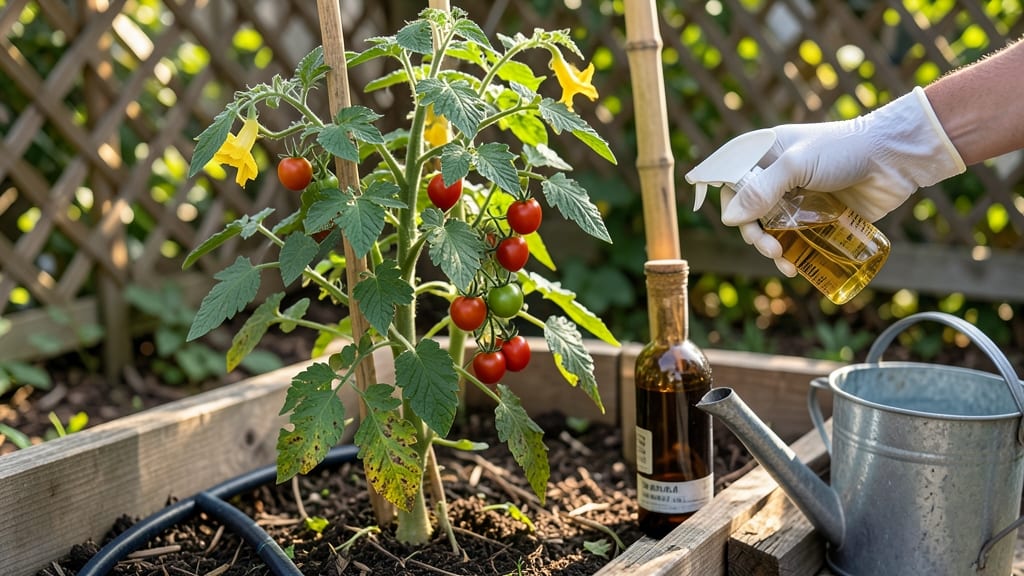
Neem oil stops tomato blight in its tracks—24-hour relief from those ugly black spots that turn your harvest into a sad, shriveled mess. 🌱 I’ve watched this organic remedy transform struggling tomato plants into thriving bushes, and the best part?
No harsh chemicals, just nature’s own fungicide working its magic. The secret lies in neem oil’s double-action: it smothers fungal spores with a protective film while disrupting their ability to feed. Unlike chemical sprays that mask problems temporarily, neem oil actually heals the plant over time.
My first application saved a tomato plant that was 80% covered in spots—by morning, the spread had halted, and within a week, new growth appeared. You’ll see the difference in just days: fewer spots, greener leaves, and plants that keep producing instead of giving up.
The key is consistency—apply it at the first sign of trouble, and reapply after rain or every 7-10 days for prevention. No more throwing out half-rotten tomatoes or watching your plants waste energy fighting disease. Works for backyard gardens, containers, and even greenhouse tomatoes.
Here’s exactly how to use it—no guesswork, just results.
The Hidden Triggers Behind Tomato Blight
Tomato blight—whether caused by Phytophthora infestans (late blight) or Alternaria solani (early blight)—isn’t just random bad luck. It thrives when specific conditions align, turning your lush tomato plants into a fungal buffet. Understanding these triggers is your first line of defense, especially when using neem oil as a natural remedy.
Let’s break down the science behind why blight strikes and how to disrupt its cycle.
Poor air circulation is blight’s best friend. When tomato plants grow too close together—whether in your garden beds or containers—humidity lingers, and water droplets stay trapped on leaves.
This creates the perfect moist environment for fungal spores to: - Germinate within hours (late blight spores can spore in as little as 4–6 hours under ideal conditions). - Spread rapidly via splashing water (rain, overhead irrigation, or even dew). - Form protective films that shield them from natural sunlight and neem oil’s antifungal properties.
Actionable fix: Space plants 18–24 inches apart (for indeterminate varieties) and 12–18 inches apart (for determinate). Prune lower leaves to improve airflow, especially as plants mature.
Blight fungi require free water to infect plants. Even well-drained soil can’t save you if:
- Overhead watering (especially in the evening) soaks leaves instead of the soil.
- Morning dew sits unchecked for hours before the sun evaporates it.
- Poor drainage keeps roots waterlogged, weakening the plant’s defenses.
Scientific note: Phytophthora (late blight) thrives in temperatures between 60–75°F (15–24°C) with high humidity (90%+)—common in coastal or rainy regions. Alternaria (early blight) is less picky but still needs leaf wetness for 6–12 hours to infect.
Actionable fix:
- Water at the base using drip irrigation or soaker hoses.
- Avoid evening watering—aim for early morning so leaves dry by noon.
- Use mulch (straw or grass clippings) to reduce soil splashes onto foliage.
Tomatoes under stress are easy targets for blight. Common stressors include:
- Nutrient deficiencies (especially potassium and phosphorus), which weaken cell walls.
- Physical damage (hail, wind, or rough handling) creates entry points for spores.
- Root rot from overwatering or compacted soil, reducing nutrient uptake.
Why it matters: Healthy plants produce cutin and wax layers on leaves that repel water and fungi. When stressed, these protective layers break down, making tissues 3x more susceptible to infection.
Actionable fix:
- Fertilize with balanced NPK (e.g., 5-10-10) at planting and high-potassium (0-0-50) when fruits set.
- Rotate crops annually to starve soil-borne pathogens.
- Test soil pH (aim for 6.0–6.8)—blight thrives in acidic or alkaline extremes.
Blight fungi love temperature swings.
Here’s how the weather conspires against your tomatoes: - Cool (50–65°F / 10–18°C) days slow plant growth, making them vulnerable. - Warm (70–80°F / 21–27°C) nights delay drying, keeping leaves damp longer. - Fog or high humidity (especially in mornings) provides the moisture blight needs to spread.
Pro tip: 🌡️ Monitor your local "blight forecast"—many agricultural extensions (like Cornell’s Late Blight Tracker) predict outbreaks based on weather data.
Actionable fix:
- Choose blight-resistant varieties (e.g., ‘Mountain Merit’, ‘Defiant PhR’).
- Use row covers in early season to block spore-laden wind.
- Prune aggressively to improve airflow during peak blight season (summer).
Even the cleanest garden can get hit by:
- Infected plant debris (last year’s leaves, stems) harboring spores.
- Tools (pruners, trellises) carrying fungi from plant to plant.
- Wind or rain blowing spores from nearby infected crops (potatoes, peppers).
Shocking stat: A single Phytophthora infestans spore can produce 10,000 new spores in 48 hours under ideal conditions.
Actionable fix:
- Sterilize tools with 70% isopropyl alcohol or a 10% bleach solution between uses.
- Remove and destroy infected plants (don’t compost them!).
- Isolate new plants for 2 weeks to monitor for symptoms.
How to Fix Tomato Blight Fast
Tomato blight doesn’t stand a chance when you act quickly and strategically. Whether it’s early signs of leaf spots or full-blown fungal outbreaks, these practical, science-backed solutions will help you save your plants in 24 hours or less—while keeping your tomatoes thriving.
Below, we break down cause-specific fixes, from immediate treatments to long-term prevention, so you can stop the spread and protect your harvest.
If you catch blight early (small brown/yellow spots, wilting leaves), you can reverse the damage with minimal effort.
🔥 Step 1: Remove Infected Plant Parts (Prune Like a Pro)
- 🌿 Cut off any leaves, stems, or fruit with spots, lesions, or discoloration—do not compost them (they’ll reinfect your garden).
- 🔪 Use sterilized shears (wipe with rubbing alcohol between cuts) to avoid spreading spores.
- 🚮 Bag and discard infected debris in the trash (not your compost pile).
🍳 Step 2: Apply Neem Oil (The Fungal Spot Eradicator)
Neem oil is nature’s fungicide—it disrupts fungal cell membranes and stops spores from germinating. Here’s how to use it effectively:
- 🌿 Mix 1–2 tbsp neem oil + 1 tsp mild dish soap + 1 quart water in a spray bottle.
- 🌧️ Spray thoroughly (under leaves, stems, and soil line) at dawn or dusk (avoid direct sunlight—it can burn leaves).
- 🔄 Reapply every 5–7 days until new growth appears (usually 3–4 treatments).
✨ Pro Tip: For extra potency, add 1 tsp baking soda to the mix—it boosts fungicidal power and balances pH to fight blight better.
🌡️ Step 3: Improve Airflow & Reduce Humidity
Blight loves damp, stagnant air. Fix this ASAP:
- 🌬️ Space plants 18–24 inches apart (crowding = blight paradise).
- 💨 Use a small fan (on low) near plants for 2–3 hours daily to dry leaves faster.
- ⏰ Water in the morning (never at night) so foliage dries within 4–6 hours.
If half your plant is rotting, you’ll need aggressive action to save what’s left and prevent total loss.
🚨 Step 1: Isolate the Plant (Containment Mode)
- 🏚️ Move infected plants 10+ feet away from healthy ones (or remove them entirely if too far gone).
- 🛡️ Cover nearby plants with row covers to block spore spread.
🍄 Step 2: Fungal Blight Bomb (Heavy-Duty Mix)
Combine neem oil + copper fungicide + hydrogen peroxide for a one-two punch:
- 💊 Mix:
- 1 tbsp neem oil
- 1 tsp copper fungicide (like Bordeaux mixture)
- 1 tbsp 3% hydrogen peroxide (kills spores on contact)
- 1 tsp soapy water (helps it stick)
- 1 gallon water
- 🌧️ Spray every 3 days until no new spots appear (usually 10–14 days).
🌱 Step 3: Boost Plant Immunity (Feed for Recovery)
A weak plant = blight’s best friend. Strengthen your tomato with:
- 🍅 Epsom salt soak (1 tbsp per gallon of water, once a week) for magnesium (helps leaves heal).
- 🌿 Seaweed extract spray (every 10 days) for natural antifungal compounds.
Once you’ve saved your plants, lock in these habits to keep blight away for good:
🌱 Plant Right (Blight-Proof Your Garden)
- 🌿 Choose resistant varieties like ‘Mountain Merit,’ ‘Defiant PhR,’ or ‘Bush Early Girl.’
- 🌍 Rotate crops—never plant tomatoes, peppers, or potatoes in the same spot two years in a row.
- 🌱 Start seeds indoors (not direct-sowing) to avoid soil-borne spores.
💦 Water Like a Pro (Blight’s Kryptonite)
- 💧 Use drip irrigation or soaker hoses (never overhead watering).
- 🌿 Mulch with straw or grass clippings to keep soil moist but leaves dry.
- 🌧️ Avoid watering at night—wet leaves overnight = blight buffet.
🧼 Sanitize Everything (Break the Spore Cycle)
- 🔥 Sterilize tools (flame or bleach soak) between uses.
- 🚮 Remove all plant debris at season’s end (even old tomato stems).
- 🏡 Clean greenhouse benches with 10% bleach solution (1 part bleach to 9 parts water).
💡 Final Reminder: Blight spreads faster than you think—act in the first 24 hours, and you’ll save 90% of your crop. Neem oil + airflow + prevention = blight-free tomatoes every season! 🍅💪
Frequently asked questions
How soon will I see results after applying neem oil for tomato blight?
You should notice the spread slowing within 24 hours—neem oil creates a protective film that stops new spores from germinating. For visible improvement (fewer spots, greener leaves), plan for 3-4 applications spaced 5-7 days apart
Can I mix neem oil with other treatments like copper fungicide?
Yes! Combine neem oil + copper fungicide for a stronger effect—neem disrupts fungal cells while copper prevents spore formation. Just mix 1 tbsp neem oil + 1 tsp copper per gallon of water, and apply in the evening to avoid leaf burn.
Will neem oil work if my tomatoes already have black spots?
Neem oil won't reverse existing damage but will stop the spread and help prevent further infection. For severe cases, combine it with hydrogen peroxide (1 tbsp per gallon) to kill remaining spores on contact.
How often should I reapply neem oil after rain?
Rain washes away the protective film, so reapply within 24 hours of heavy rain. For prevention, maintain a schedule of every 7-10 days during blight season (late summer/early fall).
Is neem oil safe for all tomato varieties, including heirlooms?
Neem oil is non-toxic to plants when used correctly. Even heirloom varieties respond well, though sensitive types may prefer a 1% dilution (1 tbsp per gallon) for the first application.