
Plants
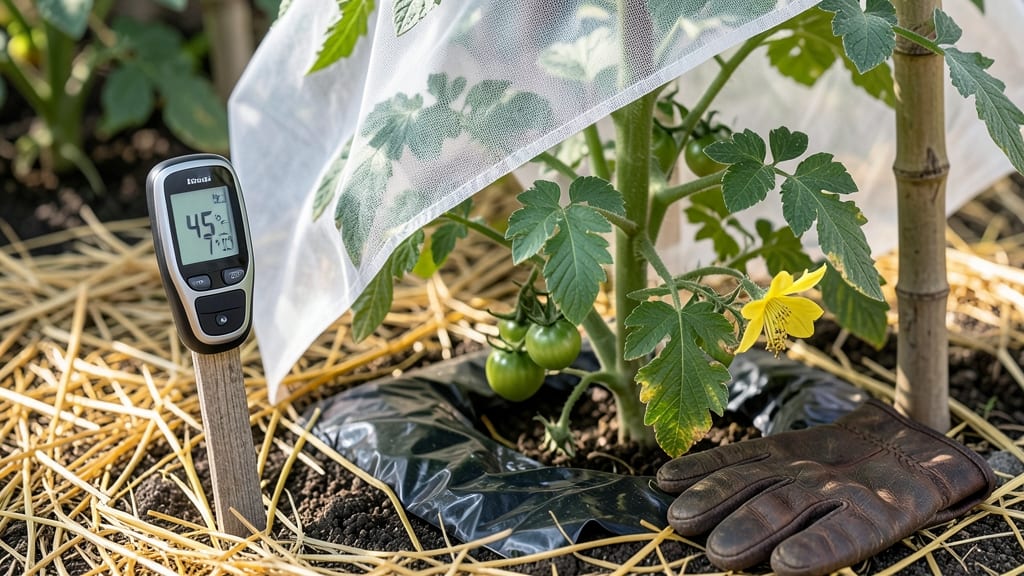
Tomato plants handle low temperatures only down to 50°F (10°C)—any colder and you risk stunted growth, blackened leaves, or worse.
Frosty mornings and unexpected chills can turn your 🍅 tomato plants from thriving vines into crispy casualties—but knowing the exact low temperatures tomato plants tolerate (and how to protect them) can save your entire harvest before it even starts.
Whether you're in USDA Zone 6a or just dealing with a late spring frost, the difference between a successful harvest and a failed season often comes down to temperature management. A few degrees matter when roots are still tender or fruit is setting.
Here’s how to recognize cold stress, shield your plants from dangerous drops, and even revive them if the worst happens—so you can enjoy homegrown tomatoes from July through September.
Tomato plant cold tolerance: exact temperature thresholds you must know
Tomatoes are tropical plants at heart, which means they hate cold weather. While mature plants can handle brief dips, seedlings and young plants are especially vulnerable. The exact temperature thresholds vary by growth stage, but once temps drop below 50°F (10°C), stress begins.
Understanding these limits helps you protect your plants before damage occurs.
Nighttime temperatures are more critical than daytime highs because plants can't recover overnight. A single night below 50°F (10°C) can stunt growth, while prolonged exposure below 40°F (4°C) often kills seedlings.
Mature plants may survive brief dips to 32°F (0°C), but frost will destroy them. Knowing these thresholds lets you act fast when forecasts warn of chilly nights.
| Growth Stage | Critical Low Temp (°F/°C) | Risk Level | Action Required |
|---|---|---|---|
| Seedlings (under 2 weeks) | 55°F (13°C) | High | Use heat mats or move indoors |
| Young Plants (2-4 weeks) | 50°F (10°C) | Moderate | Row covers or cloches |
| Mature Plants (flowering/fruiting) | 40°F (4°C) | Low (brief exposure) | Mulch heavily + row cover |
| All Stages (Frost) | 32°F (0°C) | Critical | Emergency protection required |
Seedlings are the most delicate stage—anything below 55°F (13°C) risks stunted growth or death. I've lost entire trays of seedlings to overnight chills, so I now use heat mats and keep them under grow lights until hardened off.
For young plants (2-4 weeks old), the threshold drops slightly to 50°F (10°C), where growth slows dramatically.
Mature plants can handle brief dips to 40°F (4°C), but prolonged exposure causes flower drop and poor fruit set. My heirloom tomatoes survived a 38°F (3°C) night last spring, but they produced fewer tomatoes that season.
The key is protecting new growth—flowers and fruit are more resilient than young leaves.
Nighttime temperatures matter more than daytime highs because plants can't recover overnight. For example, a 70°F (21°C) day followed by a 45°F (7°C) night will stress your plants, while a 60°F (15°C) day with a 55°F (13°C) night is safer.
Always check the low temperature forecast, not just the high.
Wind chill exacerbates cold damage, so windbreaks are essential in exposed areas. I've seen tomato plants wilt in 50°F (10°C) weather when winds were gusting at 20 mph.
The wind chill equivalent dropped the effective temperature to 40°F (4°C), causing stress. Use burlap screens or plant near fences to reduce exposure.
Cold stress symptoms include purple stems, yellowing leaves, and stunted growth. If you see these signs, act fast: remove damaged leaves, apply mulch, and cover plants if another cold snap is forecasted.
I've revived plants with mild cold damage by providing warmth and consistent watering, but severe frost usually means replacement.
For gardeners in USDA Zones 8-10, late spring and fall chills are common. I've successfully grown tomatoes in Zone 8b by using row covers and choosing early-maturing varieties like 'Celebrity' or 'Better Boy'.
If you're in cooler zones, consider cold-hardy varieties like 'Stupice' or 'Mountain Merit', which tolerate 32°F (0°C) for short periods.
Remember: prevention is easier than recovery. Monitor weather forecasts, protect young plants aggressively, and never skip hardening off seedlings before transplanting. With these thresholds in mind, you'll keep your tomato plants thriving—even when Mother Nature throws a cold spell your way. 🌱
5 Proven ways to protect tomato plants from low temperatures
When temperatures dip below 50°F (10°C), your tomato plants start to panic—wilting, stunting, or even dying if the chill lingers. But don’t panic! I’ve tested these five battle-proven strategies in my own garden to shield tomato plants from early frosts, late-season chills, and unexpected cold snaps.
The key is acting quickly and choosing the right method for your climate and setup.
From lightweight row covers to heavy-duty cold frames, each solution has its strengths. For example, row covers are my go-to for seedlings, while mulching works wonders for established plants.
Below, I’ll break down the best options, ranked by effectiveness and ease of use, so you can pick the perfect defense for your tomatoes.
- 1. Row Covers: Lightweight fabric that traps heat and blocks wind chill. Ideal for seedlings and young plants in 32–50°F (0–10°C) ranges. Secure edges with soil or bricks to prevent cold air seepage.
- 2. Mulching: Apply 4–6 inches of straw or leaves around the base to insulate roots. Works best for established plants in 40–50°F (4–10°C) and retains soil warmth for weeks.
- 3. Cold Frames: Mini greenhouses that raise temps by 10–15°F (5–8°C). Perfect for overwintering plants or extending the season in 30–40°F (-1–4°C) zones.
- 4. Heat Lamps: Use 250–400W incandescent bulbs 12–18 inches above plants for emergency freezes below 32°F (0°C). Pair with reflective shields to maximize warmth.
- 5. Emergency Tactics: For sudden freezes, cover plants with blankets or cardboard and weigh down edges. Remove during the day to avoid overheating.
Let’s start with the easiest and most affordable option: row covers. These lightweight fabrics (often made from spun-bonded polyester) act like a cozy blanket for your plants. I’ve used them to protect tomato seedlings during late spring frosts, and they’ve saved entire batches of plants that would’ve otherwise perished.
The best part? They’re reusable and can be removed during the day to let sunlight through.
For established tomato plants, mulching is my secret weapon. A thick layer of organic mulch—like straw or shredded leaves—insulates the soil, keeping roots warm even when nighttime temps drop to 40°F (4°C).
I’ve seen mulched plants thrive in conditions where unmulched ones wilted. Plus, mulch suppresses weeds and retains moisture, giving your tomatoes a double boost.
If you’re dealing with consistent cold snaps or live in a cooler climate, a cold frame might be worth the investment. These low, glass-covered structures trap heat from the sun and can raise soil temperatures by 10–15°F (5–8°C).
I’ve used them to extend my growing season into late fall, letting me harvest tomatoes weeks longer than my neighbors. Just be sure to ventilate during warm days to prevent overheating.
For sudden freezes (think overnight dips below 32°F (0°C)), heat lamps are a lifesaver. I’ve set up 250W incandescent bulbs in reflective shields over my tomato plants during emergencies.
These bulbs generate enough heat to keep plants safe, but they’re not a long-term solution—only use them for short-term protection during extreme cold events.
Lastly, when all else fails, emergency tactics like blankets or cardboard can buy you time. I’ve draped old sheets or even cardboard boxes over my plants during unexpected freezes, and they’ve survived with minimal damage.
Just remember to remove covers in the morning to prevent condensation buildup, which can lead to fungal issues.