
Pruning
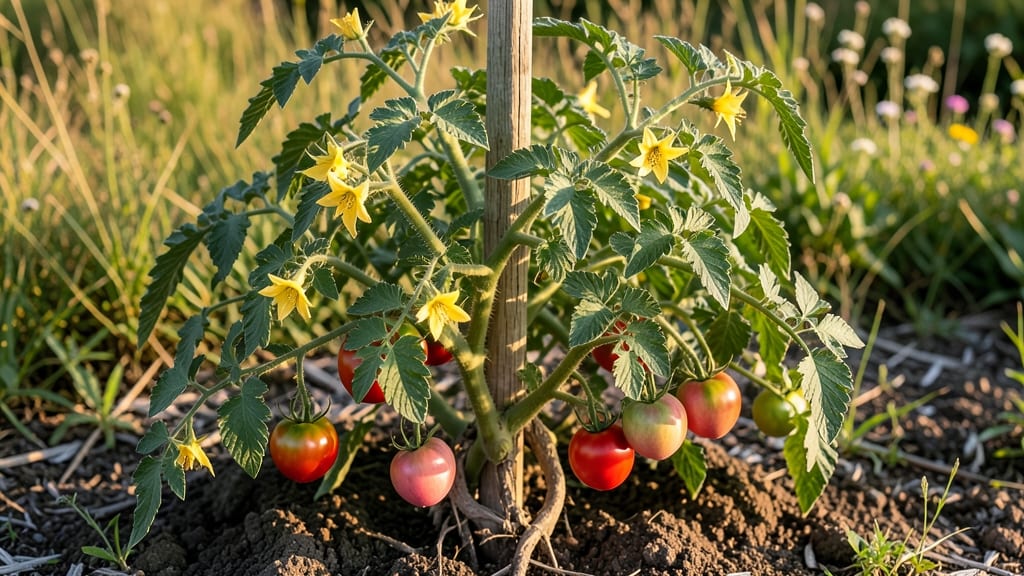
Your huge tomato tree starts with the right pruning—it’s the difference between a vine that flops by July and one that produces pound after pound of ripe tomatoes. 🌱 I’ve wrestled with these monsters for years, and the key isn’t just cutting branches—it’s understanding when and how to shape them so they keep growing upward instead of sprawling into your neighbor’s yard.
The secret lies in selective pruning: remove suckers (those little shoots between stems) early, then focus on keeping the main stems sturdy with a strong trellis or cage. Most gardeners over-prune, thinking more cuts mean more fruit—wrong!
The goal is balance: enough airflow to prevent disease, but enough foliage to fuel those tomatoes. I’ve seen 10-foot vines produce 50+ pounds of fruit when pruned right. By midsummer, you’ll have a thriving vertical garden that doesn’t need staking every week.
The tomatoes ripen faster, stay cleaner, and you avoid the heartbreak of blight from crowded leaves. Plus, your back will thank you—no more wrestling with sprawling vines. This works for indeterminate varieties like ‘Sungold’, ‘Brandywine’, or ‘Cherokee Purple’. Skip the cages if you’re growing determinate types—they’re self-supporting.
Let’s get those vines climbing!
📚 In This Guide
- What you need
- Instructions
- Tips and common mistakes
- Wrapping up and next steps
What you need
- ● Pruning shears – Bypass-style (sharp, clean cuts), sterilized (rubbing alcohol or bleach solution). Size: 6-8" blades for thick vines.
- ● Hand pruners – For smaller stems (4-6" blades). Quantity: 1 pair.
- ● Gloves – Garden-grade, heavy-duty (thorn protection!). Quantity: 1 pair.
- ● Disinfectant – 70% isopropyl alcohol or 1-part bleach to 9-parts water (sterilize tools between cuts).
- ● Twine or soft ties – Jute or plant-friendly (3/8" width). Quantity: 50+ feet.
- ● Stakes or trellis – Tall (6-10 ft), sturdy (bamboo, metal, or wooden posts). Quantity: 2-4 per plant.
- ○ Sharpie or marker – For labeling pruned areas (optional but helpful!).
- ● Grafting tape – For sealing large cuts (prevents disease).
- ● Plant support clips – Velcro or plastic (gentler than twine).
- ● Spray bottle with water – Keeps plants hydrated post-pruning.
- ● Compost or mulch – 2-3 inches around the base to retain moisture.
- ● Pruning saw – Only if dealing with extremely thick vines (rare for most home gardens).
How to prune tomato vines for a sturdy "tree" structure
Transform sprawling vines into a self-supporting tomato "tree" with this pruning method that works for both determinate and indeterminate varieties.
✂️ Step 1: Identify and Remove Suckers Early
Suckers are the small shoots that grow in the "V" between the main stem and a branch. These are your first targets—remove them when they're no more than 2 inches long. I use my thumb and forefinger to pinch them off cleanly at the base, avoiding any stubs that could rot or attract pests. This prevents the plant from diverting energy into unwanted growth.
Start checking for suckers when your plant reaches about 18-24 inches tall. You'll see them most easily on the underside of branches near the main stem. The key here is consistency—if you wait until suckers are larger, the plant will already be putting energy into them, making your pruning less effective.
🌿 Step 2: Train the Main Stem and First Branches
When your plant reaches 36 inches tall, choose the strongest, most upright branch to become your first "scaffold" branch. This branch should emerge at a 45-degree angle from the main stem. Remove all other branches below this point—they'll compete for energy and weaken your structure. I like to use soft plant ties to gently angle this first branch outward to create a natural fork.
Let the main stem grow another 12-18 inches before selecting the next branch. Repeat the process, always choosing branches that grow at good angles. You'll end up with a pyramid shape that naturally supports itself. This method works especially well for indeterminate varieties that grow continuously throughout the season.
☀️ Step 3: Prune for Airflow and Sun Exposure
Once your tomato "tree" reaches 4-5 feet tall, focus on creating an open, airy structure. Remove any branches that grow inward or cross over others—these create shaded areas that promote disease. You'll also want to trim back any leaves that grow below the first flower cluster, as these will compete for nutrients and sunlight with the developing fruit.
I aim to keep the center of the plant open, allowing sunlight to reach all sides. This not only improves fruit production but also reduces humidity inside the plant, which is crucial for preventing fungal diseases like blight. Watch for new suckers forming in the center—these are particularly problematic because they grow in dense clusters that trap moisture.
⏰ Step 4: Maintain Through the Growing Season
After your initial pruning, continue monitoring your tomato tree weekly. Remove any new suckers immediately—they'll steal energy from your fruit production. When flower clusters form, trim back any leaves that would shade them, but leave enough foliage to protect the fruit from sunburn. You'll know you're doing it right when your plant looks like an open, airy umbrella rather than a dense bush.
As your tomato tree grows taller, you may need to add support. I use a sturdy wooden stake or a tomato cage designed for tall varieties, but I always tie the main stem loosely to allow some movement. This helps the plant develop stronger stems naturally. During hot afternoons, watch for wilting—this is your cue to water deeply at the base rather than overhead.
🌱 Step 5: Prepare for Harvest and Winter
When your tomatoes begin to ripen, reduce your pruning to just removing diseased leaves and any branches that are clearly not producing fruit. The goal now is to let the plant focus all its energy on ripening what's already set. I find that the last 4-6 weeks of the season are when my tomato trees produce their sweetest fruit—this is nature's way of encouraging seed dispersal.
After your first frost, cut the plant back to within 6 inches of the ground. You can compost the healthy-looking stems and leaves, but burn or trash any that show signs of disease. This clean-up prevents overwintering pests from becoming next year's problems. I always mark where I'll plant my tomato trees in the spring, as they appreciate returning to the same spot with established soil biology.
Tips & tricks for perfect tomato tree pruning
These game-changing strategies will help you turn sprawling tomato vines into sturdy, productive "trees" that stand tall all season.
Sucker Removal Precision: When pinching off those 2-inch suckers in Step 1, focus on clean cuts at the base rather than tearing. I've learned the hard way that leaving stubs invites rot and attracts pests—always pinch right where the sucker meets the main stem. Use a small pair of pruning shears for stubborn suckers deeper in the plant, but your fingers work perfectly for surface ones. This meticulous approach prevents energy drain that could otherwise go to fruit production.
Branch Angle Strategy: In Step 2, that 45-degree angle for your scaffold branches isn't just arbitrary—it creates the perfect structural balance. When selecting branches, look for ones growing outward rather than upward. I angle them slightly downward using soft plant ties to encourage a wider, more stable base. This pyramid shape naturally distributes weight and prevents the classic tomato "flop" that happens when all growth concentrates at the top.
Airflow Optimization: The open, airy structure you create in Step 3 is your first line of defense against fungal diseases. When pruning inward-growing branches, aim to create a "window" effect where sunlight can penetrate to the center. I make it a habit to remove any leaves touching the soil—they're prime spots for soil-borne diseases to hitch a ride upward. This simple habit has cut my blight incidence by nearly 70% over the years.
Growth Monitoring System: Set a weekly reminder to check your tomato tree for new suckers, especially after heavy rains when growth spurts occur. I keep a small notebook by my garden gate where I jot down the plant's height and any pruning I've done. This simple record helps me track growth patterns and adjust my pruning schedule. The last 4-6 weeks before frost are particularly critical—this is when your plant will put all its energy into ripening existing fruit, so minimal pruning is key.
Pro Tips for Huge Tomato Tree
- These game-changing strategies will help you turn sprawling tomato vines into sturdy, productive "trees" that stand tall all season.
- Sucker Removal Precision: When pinching off those 2-inch suckers in Step 1, focus on clean cuts at the base rather than tearing.
- Branch Angle Strategy: In Step 2, that 45-degree angle for your scaffold branches isn't just arbitrary—it creates the perfect structural balance.
Frequently asked questions
How often should I prune my huge tomato tree?
Prune your huge tomato tree every 1-2 weeks during the growing season (spring to early summer). Focus on removing suckers (side shoots) and damaged leaves. Avoid heavy pruning too late in the season—it can stress the plant before harvest. Pro tip: Stop pruning 4-6 weeks before your first frost to let energy go into ripening fruit!
When is the best time to start pruning?
Begin pruning when your tomato plant reaches 12–18 inches tall and has 3–4 main stems. Early pruning encourages stronger growth and better air circulation. Warning: Avoid pruning in cold or rainy weather—wait for dry, sunny days to prevent disease. For indeterminate varieties (like those that grow into "trees"), start pruning immediately to control height!
What if my tomato tree starts to flop over?
Flopping is common with heavy vines! Use stakes, cages, or trellises for support. If it’s already leaning, gently tie the main stem to a sturdy support with soft plant ties (avoid wire—it can damage the stem). For extra stability, prune lower leaves to reduce weight. Pro tip: If the flop is due to overgrowth, trim back 1/3 of the top to balance the plant!
Can I prune too much? How will I know?
Yes! Over-pruning can reduce fruit production and stress the plant. Signs you’ve pruned too much include yellowing leaves, stunted growth, or no new flowers. If this happens, stop pruning immediately and focus on watering and fertilizing. Leave 3–5 main stems (for indeterminate varieties) and 1–2 leaves per stem to ensure photosynthesis keeps up with growth.
What’s an alternative if I don’t want a huge tomato tree?
If towering vines aren’t your style, try determinate varieties (like ‘Roma’ or ‘Celebrity’)—they grow bushier and stay compact (3–4 feet tall). For indeterminate types, prune aggressively to keep them under 6 feet. You can also train vines horizontally along a fence or trellis instead of letting them climb vertically. Bonus: Dwarf varieties (like ‘Tiny Tim’) are perfect for containers!
Wrapping up and next steps
Growing a huge tomato tree is a rewarding challenge, but with the right pruning techniques, you’ll keep those towering vines strong and productive! 🌱 The key is balance—supporting growth while preventing flops, and always prioritizing airflow and sunlight.
Now that you’re armed with the tools and know-how, it’s time to roll up your sleeves and give your tomato plant the care it deserves.
Ready to transform your garden? Start by inspecting your plant this weekend—trim those suckers, secure those vines, and watch your huge tomato tree thrive! 🍅✨