
How To
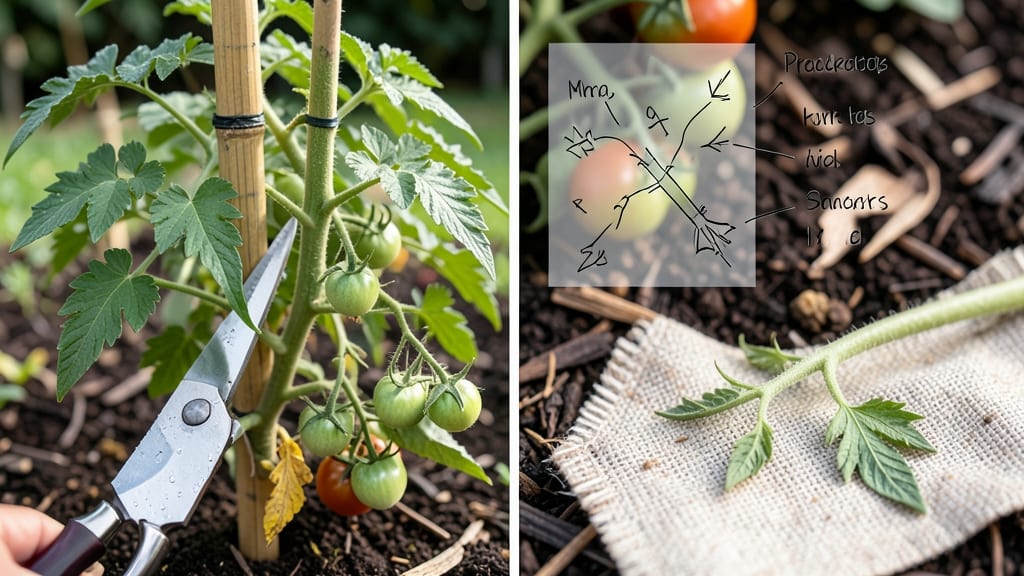
Pruning tomato plants for maximum yield isn't about hacking away wildly—it's about directing energy where it counts. ✂️ I used to think trimming meant fewer tomatoes, but the opposite is true: strategic cuts create bushier vines that produce heavier fruit for weeks longer than unpruned plants.
The key is timing (start when plants hit 12 inches) and technique (always cut above leaf nodes to encourage branching).
Start with indeterminate varieties—they keep growing until frost—and remove suckers (those little shoots between stems and leaves) weekly. Determinate types need less work, but pinching back the top growth after flowering boosts fruit size.
Use clean, sharp pruners to avoid tearing stems, and never remove more than one-third of the plant at once. The goal is balance: enough leaves for photosynthesis, but enough space for air circulation to prevent disease.
📚 In This Guide
- What you need
- Instructions
- Tips and common mistakes
- Wrapping up and next steps
What you need
- ● Pruning shears or scissors: Sharp, clean, and sterilized (use rubbing alcohol or bleach solution). Avoid dull tools—they can damage plants.
- ● Gloves: A pair of gardening gloves (nitrile or leather) to protect your hands from thorns and dirt.
- ○ Disinfectant (optional but highly recommended): A small bottle of rubbing alcohol (70% or higher) or a 10% bleach solution to sterilize tools between cuts and prevent disease spread.
- ● Garden twine or soft ties: If your tomato plants need support (e.g., stakes or cages), use 10-12 feet of twine per plant.
- ● Stakes or cages (if not already installed): Stakes: 5-6 foot wooden or metal stakes (1 per plant).
- ● Cages: 5-6 foot tall tomato cages (1 per plant, if preferred).
- ● Hand pruners: For smaller cuts or hard-to-reach spots.
- ● Spray bottle with water: To mist cuts and reduce stress on the plant.
- ● Garden kneeler or stool: For comfort if you’re working with large or sprawling plants.
- ● Plant markers or labels: If you’re tracking pruning progress or varieties.
- ● Compost bin or bucket: To collect pruned branches for composting.
Step-by-step instructions for pruning tomato plants
Here's how to coax bigger harvests from your tomatoes—no fancy tools needed.
✂️ Step 1: Wait Until Plants Are Established
Hold off until your tomato plants reach 12-18 inches tall and have 5-6 sets of true leaves. This usually happens 3-4 weeks after transplanting, once roots are settled. I know it feels like forever, but pruning too early stresses young plants and invites disease through open wounds.
Look for sturdy stems with leaves spaced about 2-3 inches apart. If you see leggy, weak growth, wait another week—they're not ready yet. This is where patience pays off: healthy plants reward you with stronger vines and more fruit later.
🌿 Step 2: Remove Suckers for Bushier Growth
Suckers are the small shoots that grow in the V-shaped junction between the main stem and a branch. Pinch or cut these off at their base with clean shears or your thumb. I start by removing the lowest suckers first—these compete with the main stem for energy that should go to fruit production.
Don't worry about getting every single one. Even if you miss a few, the plant will still produce. The goal is to encourage the main stem and branches to thicken, which supports heavier fruit loads. You'll know you're doing it right when the plant starts looking fuller and more compact after a few weeks.
☀️ Step 3: Prune for Airflow and Sunlight
Once the plant reaches 4-5 feet tall, focus on opening up the plant's center. Cut back any branches growing inward or crossing over others. This improves airflow, which prevents fungal diseases like blight that can ruin your harvest. Aim to create a basket-like structure where sunlight can reach all sides.
Leave 3-5 main stems (for indeterminate varieties) or 1-2 main stems (for determinate varieties) as your primary producers. For indeterminate tomatoes, you'll also want to prune the suckers above the first flower cluster—this directs energy to fruit production rather than endless vine growth.
⏰ Step 4: Maintain Through the Season
Continue pruning throughout the growing season, removing suckers every 1-2 weeks as they appear. This keeps the plant focused on producing fruit rather than growing more foliage. I like to do this on a cloudy day or in the early morning when the plant is less stressed from heat.
Watch for signs of over-pruning: if the plant looks too bare with few leaves, you've gone too far. Leaves are the plant's food factories, so always leave enough to support the fruit. A good rule of thumb is to maintain 2-3 leaves above each fruit cluster to keep them growing strong.
Tips & tricks for pruning tomato plants
Here's what nobody tells you about getting those perfect tomato plants—these tricks save time and headaches.
Timing is Everything: I learned this the hard way after ruining three batches—wait until your plants are 12-18 inches tall with 5-6 sets of true leaves before pruning. This usually happens 3-4 weeks after transplanting, but if your plants look leggy or weak, give them another week. The key is sturdy stems with leaves spaced about 2-3 inches apart—this shows they're ready for the stress of pruning.
Sucker Strategy: For indeterminate varieties, focus on removing suckers from the V-shaped junction between the main stem and branches, starting with the lowest ones. These compete with your fruit clusters for energy. I like to use my thumb for small suckers—no need for fancy tools. Just be consistent: check every 1-2 weeks and remove them before they grow more than an inch. This keeps your plant focused on producing heavy, flavorful tomatoes rather than endless vine growth.
Airflow and Light: Once your plant hits 4-5 feet tall, open up the center by cutting back any inward-growing branches. Think of it like creating a basket—sunlight should reach all sides. For indeterminate varieties, leave 3-5 main stems and prune suckers above the first flower cluster. This directs all that plant energy to fruit production instead of extra foliage. A good rule of thumb is to maintain 2-3 leaves above each fruit cluster—this keeps them growing strong while still allowing airflow.
Season-Long Maintenance: Don't stop after your initial pruning! Continue removing suckers every 1-2 weeks throughout the season. I always do this on cloudy days or early mornings when plants are less stressed. This keeps your tomatoes producing heavily until the first frost. And if you notice your plant looking too bare, you've gone too far—leaves are the plant's food factories, so always leave enough to support the fruit.
Pro Tips for Prune Tomato Plants For Maximum Yield
- Here's what nobody tells you about getting those perfect tomato plants—these tricks save time and headaches.
- Timing is Everything: I learned this the hard way after ruining three batches—wait until your plants are 12-18 inches tall with 5-6 sets of true leaves before pruning.
- Sucker Strategy: For indeterminate varieties, focus on removing suckers from the V-shaped junction between the main stem and branches, starting with the lowest ones.
Frequently asked questions
Got questions about pruning tomatoes? You’re not alone—even experienced gardeners sometimes need a little clarification! Here are answers to the most common queries to help you prune like a pro and boost that harvest.
When is the best time to prune tomato plants?
Prune indeterminate tomatoes (like Roma or Beefsteak) regularly throughout the growing season, starting when plants are 12–18 inches tall. For determinate varieties (like Cherry or Bush Early Girl), minimal pruning is needed—just remove suckers if desired. Avoid heavy pruning late in the season, as it can stress plants before harvest.
What if I don’t prune my tomato plants at all?
Unpruned tomatoes will still produce fruit, but yields may be smaller and later due to overcrowded vines competing for energy. Without pruning, you’ll also risk more disease (like blight) from poor airflow and fewer, smaller tomatoes because the plant focuses on leaf growth over fruit. Think of pruning as giving your tomatoes a spa day!
How do I know if I’m pruning too much or too little?
You’re pruning too much if leaves turn yellow, growth slows, or the plant looks stressed. Too little? Look for dense, tangled vines with few air gaps—this invites pests and disease. Aim for 1–2 main stems (indeterminate) with 3–5 leaves between pruning points. When in doubt, less is more!
Will pruning affect the size or flavor of my tomatoes?
Pruning can improve flavor by redirecting energy to fruit development instead of excessive leaf growth. Well-pruned plants often produce larger, sweeter tomatoes with better color. However, over-pruning might reduce yield. The key is balance—focus on removing only suckers and diseased leaves while keeping the plant’s structure strong.
Can I prune tomatoes after rain or in humid weather?
Avoid pruning right after rain or in high humidity—wet conditions create entry points for fungal diseases like early blight. Wait until morning so leaves have time to dry, or prune early in the day when humidity is lower. Always sterilize your pruners with rubbing alcohol between cuts to prevent spreading pathogens.
What should I do with the pruned branches?
Remove suckers and diseased branches immediately to prevent them from touching soil or other plants. For healthy prunings, compost them (if disease-free) or toss them in the trash. Never leave pruned material lying around—it can harbor pests or fungi. Pro tip: Use pruned branches as mulch in other garden beds!
Wrapping up and next steps
Pruning your tomato plants might feel like a game-changer—and it is! 🌱 By removing suckers, shaping vines, and encouraging airflow, you’re not just tidying up; you’re boosting yield, preventing disease, and extending your harvest.
With the right tools and a little patience, you’ll soon be reaping bigger, healthier tomatoes than ever before.
Now that you’re armed with the know-how, grab those shears and get pruning! Monitor your plants weekly and adjust as they grow—your future tomato feasts will thank you. Happy gardening! 🍅✨