
Planting
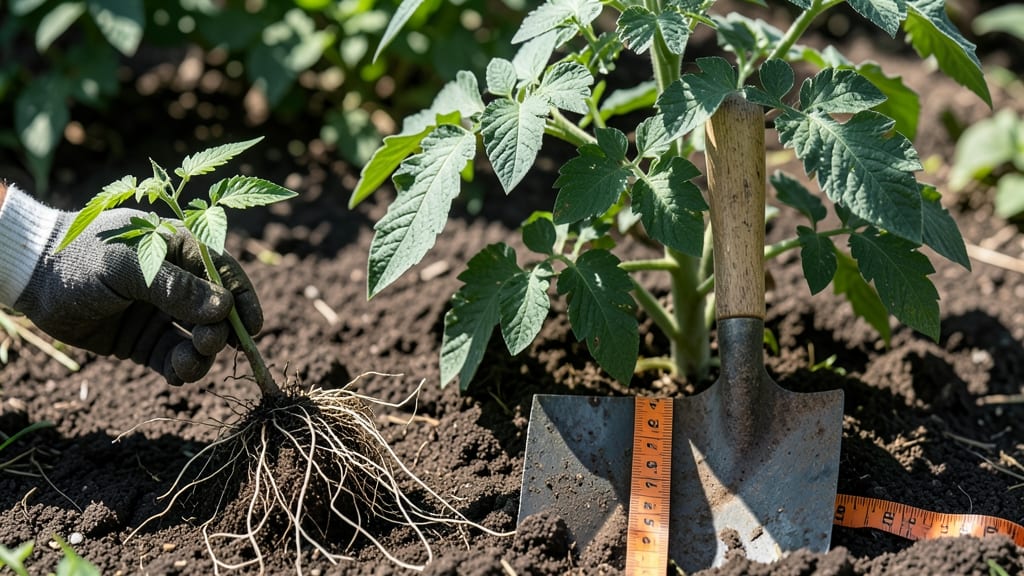
Tomato roots grow 18 to 24 inches deep 🍅—but how you plant them makes all the difference between a thriving vine and a struggling one.
Ever wondered why your tomato plants wilt midday or produce tiny, underfed fruits? The answer often lies in how deep—and how well—the roots are established. Too shallow, and they’ll struggle to reach moisture; too deep, and they’ll suffocate in compacted soil.
This guide breaks down the science behind root depth, from soil type to container planting, so you can give your tomatoes the strong foundation they need for bigger yields and fewer headaches.
You’ll learn the ideal planting depth for your variety, how to adjust for sandy or clay soil, and simple tricks to encourage deeper roots—without digging a hole big enough to bury your shovel.
Tomato root depth explained: how deep roots grow for maximum growth
Understanding tomato root depth is like uncovering the hidden superpower of your plants. While you focus on lush foliage and juicy fruits, the real magic happens below ground—where roots stretch out to grab water, nutrients, and stability.
A healthy tomato root system can grow 2-3 feet deep and spread 18-24 inches wide, but their growth depends on soil type, plant variety, and your care techniques. Getting this right means the difference between blossom-end rot and bumper crops.
Most gardeners overlook root depth because they focus on above-ground growth. But shallow roots struggle to access moisture during dry spells, while overly deep planting can suffocate stems. The key is striking a balance—planting deep enough for stability but not so deep that the stem rots.
For indeterminate tomatoes, which grow continuously, deeper roots support heavier vines, while determinate varieties benefit from a slightly shallower but wider root network for compact growth.
Soil type plays a huge role in root development. In sandy soil, roots grow deeper and faster to reach moisture, while clay soil can restrict growth, forcing roots to spread horizontally. Organic matter like compost acts as a bridge, improving both depth and lateral reach. Even in containers, roots will follow the deepest soil layer available, so a 12-inch pot might limit growth compared to in-ground planting.
Here’s the science behind it: Tomato roots grow through a process called geotropism, where they naturally seek deeper, cooler soil. The taproot (main root) grows downward, while lateral roots branch out horizontally.
In ideal conditions, lateral roots can extend 12-24 inches from the stem, creating a vast network to absorb water and nutrients. This is why mulching—adding a 2-3 inch layer of organic material—helps retain moisture and encourages deeper root penetration.
One common mistake is planting tomatoes too shallow, leaving the stem exposed. This creates a weak anchor and increases the risk of stem rot or breakage. The rule of thumb?
Bury the stem up to the first set of leaves—about 1-2 inches deep—to encourage new roots along the buried stem. This technique, called hill planting, is especially useful for indeterminate varieties that need extra support as they grow taller.
Watering habits also shape root depth. Deep, infrequent watering—like giving your plant 1-2 gallons every 3-5 days—encourages roots to grow deeper in search of moisture. Shallow, frequent watering keeps roots near the surface, making plants more susceptible to drought stress.
Think of it like training your roots to become marathon runners instead of sprinters. In hot climates, morning watering is critical to reduce evaporation and fungal diseases like early blight.
Another factor is soil aeration. Compacted soil restricts root growth, while loose, well-draining soil allows roots to explore deeper. Amending your soil with compost or aged manure improves structure and provides essential nutrients.
For heavy clay soils, mix in sand or perlite to create pockets for roots to expand. Even in containers, use a lightweight potting mix with added perlite or vermiculite to prevent root binding.
If you’ve ever wondered why your cherry tomatoes produce fewer fruits than expected, check their root depth. Smaller varieties like 'Tiny Tim' or 'Patio Princess' have shallower roots (12-18 inches deep) compared to beefsteak varieties, which can dive 3 feet or more.
Matching your planting depth to the variety ensures optimal growth. For example, indeterminate heirlooms like 'Brandywine' need deeper planting to support their towering vines, while determinate bushes like 'Roma' thrive with slightly shallower roots.
Pro tip: Use a soil probe or trowel to check root depth after planting.
Optimal planting depth for tomatoes: when to dig too deep (or not deep enough)
Getting the planting depth right for your tomatoes can make or break your harvest. Too shallow, and roots struggle to anchor; too deep, and stems rot before they even sprout. The ideal depth depends on your tomato variety type—determinate or indeterminate—and whether you're planting in containers or in-ground.
For determinate tomatoes (bush varieties like 'Roma' or 'Celebrity'), aim for a hole just deep enough to bury the root ball while keeping the soil line at the base of the stem.
Indeterminate types (vining varieties like 'Cherry' or 'Beefsteak') need slightly deeper holes—about 1-2 inches deeper than their root ball—to support their sprawling growth habit.
⚠️ callout warning ⚠️
🚨 Critical Root Depth Rule
Tomato roots should never be buried deeper than the soil line on the stem. Burying stems triggers rot, while shallow planting leaves roots exposed and vulnerable to drying. The ideal depth is where the top of the root ball sits 1/8 inch below soil level—no deeper!
Pro Tip: Use a ruler to measure depth—most tomato roots spread 18-24 inches wide but only need 12-18 inches deep for full nutrient access.
Container planting requires special attention. Since pots lack deep soil layers, choose 5-gallon minimum containers and plant tomatoes at the same depth as they grew in their nursery pots. If your container is shallow, mix in compost or perlite to improve drainage and root spread.
Common mistakes include over-deeping (burying stems) or under-planting (leaving roots exposed). Over-deep planting suffocates stems, while shallow planting causes roots to dry out or bake in hot sun. Always loosen the soil around roots when transplanting to encourage faster establishment.
Adjust depth based on your soil type. Sandy soils drain quickly, so plant slightly deeper to retain moisture. Clay soils hold water well, so shallower planting prevents waterlogging. Amend heavy soils with organic matter (like compost) to create a looser, root-friendly environment.
After planting, water deeply to settle soil around roots and remove any air pockets. Mulch with straw or grass clippings to retain moisture and protect roots from temperature swings.
With the right depth, your tomatoes will grow strong, produce bountiful fruit, and reward you with a harvest you'll be proud of. 🌱