
Planting
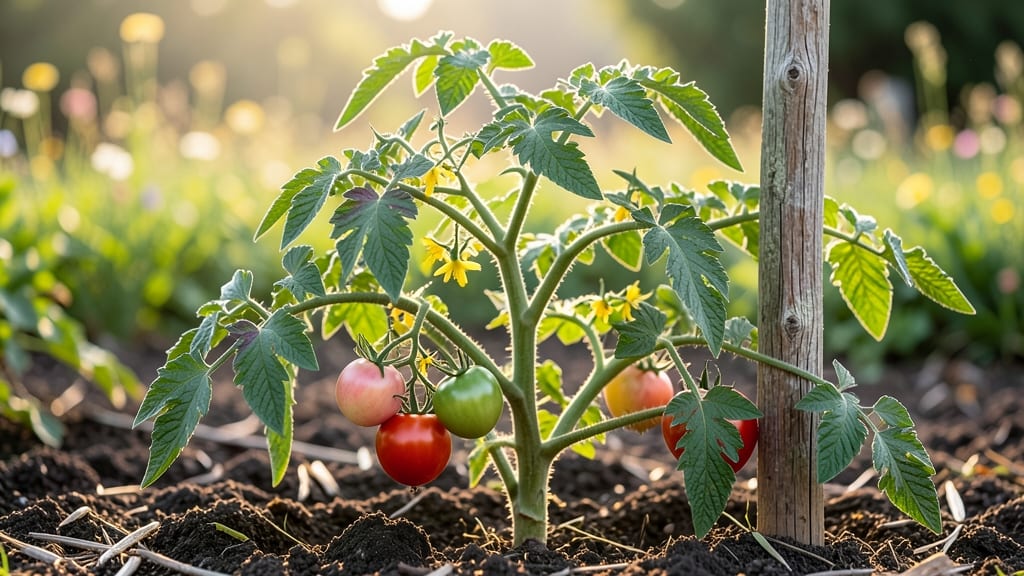
A mature tomato plant 🍅 thrives when you balance pruning, support, and fruit load—three keys to avoiding broken stems and lost harvests.
Picture this: your vine is heavy with ripe tomatoes, but instead of proud branches, they’re sagging toward the soil. Without the right techniques, those juicy rewards become a structural nightmare.
The good news? A few simple adjustments—like strategic pruning and proper staking—can keep your plant standing tall and producing all season.
Most gardeners focus on soil and water, but mature tomato care is about structural smarts. Prune to redirect energy to fruit, not foliage, and choose supports that match your plant’s growth habit. Whether you’re dealing with determinate bushes or indeterminate vines, the right moves make all the difference.
In this guide, I’ll walk you through pruning schedules, support systems that actually work, and how to spot when your plant needs help before it’s too late. No more guessing—just proven strategies for a heavier, healthier harvest.


How to prune a mature tomato plant for maximum fruit production
Pruning your mature tomato plant isn’t just about shaping—it’s about directing energy toward fruit production while preventing disease and breakage. When done correctly, strategic pruning can boost your yield by up to 30% by improving airflow and sunlight penetration.
But timing and technique matter: prune too much or too late, and you risk stunting growth or inviting pests.
First, understand your tomato variety. Indeterminate tomatoes (like 'Sungold' or 'Better Boy') grow continuously and need regular pruning to manage their sprawling vines. Determinate tomatoes (like 'Roma' or 'Celebrity') grow to a fixed size and typically require minimal pruning.
For both types, the key is balancing growth and fruit load to avoid snapped stems and lost harvests.
-
Step 1: Identify Suckers
Suckers are the small shoots that grow in the leaf axils (where leaves meet the stem). These compete with fruit for energy. Pinch off suckers when they’re 2-3 inches long using your thumb and forefinger or clean pruners. -
Step 2: Prune Indeterminate Tomatoes
Leave 1-2 main stems for indeterminate varieties. Remove suckers below the first flower cluster to encourage upward growth. For heavy fruit loads, prune aggressively but leave 3-4 leaves above each fruit cluster for photosynthesis. -
Step 3: Light Pruning for Determinate Tomatoes
Determinate tomatoes need minimal pruning. Remove only yellow or diseased leaves and suckers growing below the first fruit cluster. Avoid cutting into the main stem, as these plants rely on bushy growth for support. -
Step 4: Improve Airflow
Thin out crowded lower leaves (especially in humid climates) to reduce disease risk. Focus on removing leaves touching the soil. This also helps sunlight reach lower fruit clusters, improving ripening. -
Step 5: Time Your Pruning
Prune indeterminate tomatoes every 1-2 weeks during the growing season. For determinate varieties, prune only when necessary (e.g., removing damaged foliage). Avoid pruning late in the day to prevent stress. -
Step 6: Sterilize Tools
Always clean your pruners with rubbing alcohol before and after use. This prevents spreading bacterial or fungal diseases like early blight or septoria leaf spot, which thrive in tomato gardens.
Pruning isn’t just about removing suckers—it’s about creating an environment where your plant can focus its energy on producing larger, healthier fruit. For indeterminate varieties, aim to keep the plant open and airy, with space between branches to prevent fungal issues.
Think of it like giving your tomato plant a spa day: less clutter means better performance.
One common mistake is over-pruning, which can shock the plant and reduce fruit set. If you notice stunted growth or fewer flowers after pruning, you’ve likely gone too far. A good rule of thumb is to never remove more than 20-30% of the foliage at once.
For heavy fruit loads, prioritize pruning below fruit clusters to redirect energy upward.
Support plays a critical role in pruning success. If your mature tomato plant is laden with fruit, even the strongest stems can snap. Pair pruning with a sturdy trellis or cage to distribute weight evenly.
For indeterminate varieties, tie the main stem to the support every 12-18 inches to prevent bending. This combo—pruning + support—is your secret weapon for a bountiful harvest.
Finally, watch for signs your pruning is working. You’ll see fewer suckers, more sunlight reaching the lower canopy, and healthier fruit development.
If you notice yellowing leaves or drooping branches despite pruning, your plant may need additional support or a nutrient boost (like a balanced fertilizer with low nitrogen to avoid leafy growth at the expense of fruit).
Remember, pruning is an ongoing process—not a one-time task. Check your mature tomato plant weekly during peak growing months to stay ahead of sucker growth and maintain optimal structure. With the right approach, your pruned plant will reward you with juicy, vine-ripened tomatoes all season long.
Best support systems to prevent mature tomato plants from sagging
Nothing ruins a bountiful tomato harvest faster than a sagging vine under the weight of ripe fruit. Without proper support systems, your mature tomato plant can develop broken stems or uneven ripening, wasting months of hard work.
The right support not only keeps plants upright but also improves air circulation, reducing disease risk and maximizing your yield.
Your choice depends on your garden setup—whether you're working with limited space, heavy fruit loads, or determinate vs. indeterminate varieties.
Below, we compare the most effective options, from store-bought cages to DIY trellises, so you can pick the best fit for your tomato plants and growing conditions.
For determinate tomatoes (bush varieties like Roma or Celebrity), a wire cage is often the simplest solution. These compact plants benefit from the contained support and soil-free fruit protection cages provide. Just push the cage into the soil at planting time—no extra steps needed!
If you're growing indeterminate varieties (like Sungold or Brandywine), opt for a trellis or stake to handle their 6-foot vines and heavy fruit clusters. Install stakes 6-8 inches deep and tie stems with soft plant ties every 12 inches to prevent stem damage.
For trellises, use galvanized hardware to ensure longevity in wet conditions.
Pro tip: Combine supports for extra stability. For example, use a stake for the main stem and a small cage for side branches. This hybrid approach works especially well in windy gardens or for heirloom varieties with large, heavy fruit.
Always secure supports with sturdy stakes or concrete anchors to prevent toppling during storms.
Don’t wait until your tomatoes are sagging to act! Install supports at planting time for determinate plants or when they reach 12 inches tall for indeterminate varieties. This gives your tomato plants time to adjust and prevents sudden stress from overloaded branches.
With the right setup, you’ll enjoy a vertical garden of plump, healthy tomatoes all season long. 🍅